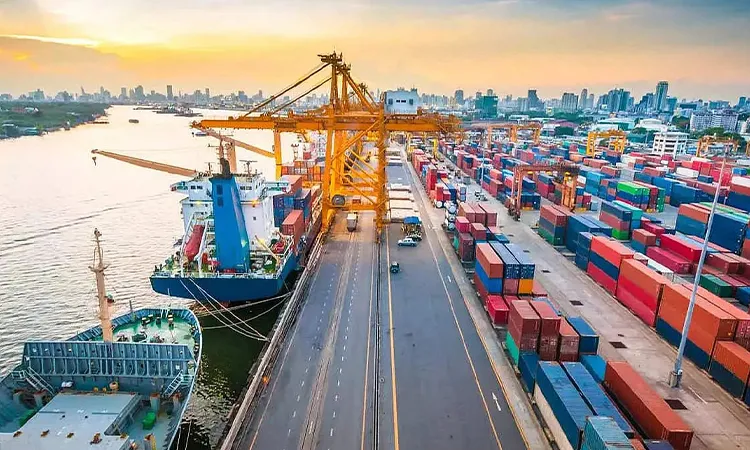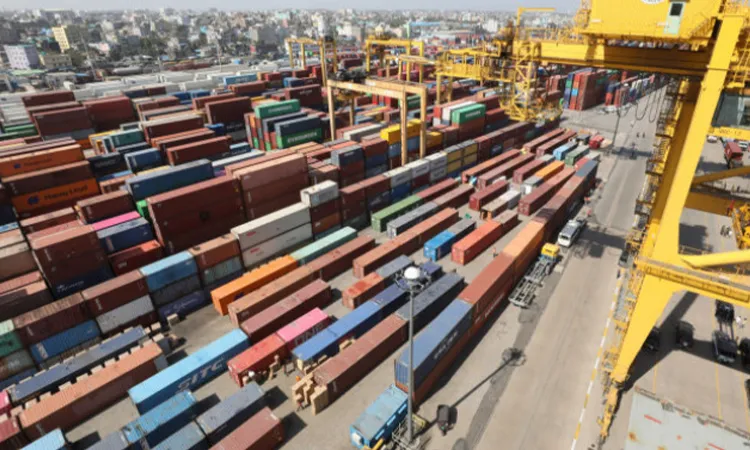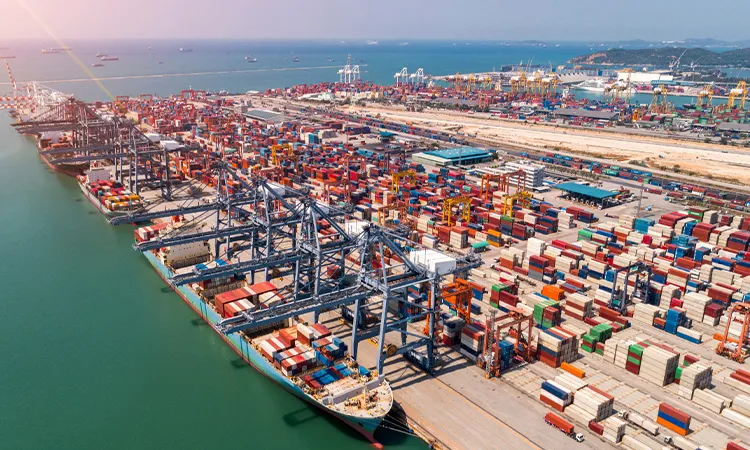
Bangladesh’s supply chain for essential food items is under severe strain as a shortage of lighterage vessels has stalled cargo discharge at Chattogram Port’s outer anchorage. With Ramadan approaching, the backlog is raising fears of market instability and price hikes.
As of 15 January, port data shows 108 vessels carrying over 45 lakh tonnes of cargo are waiting at the outer anchorage and Kutubdia channel. Of these, 17 ships carry 12 lakh tonnes of Ramadan essentials like wheat, soybean oil, and pulses. Another five carry sugar, while others hold fertilizer and cement clinker.
Gridlock at Sea Under normal conditions, a 50,000-tonne mother vessel unloads within 7 to 10 days. The current shortage has pushed waiting times to 20–30 days. The impact is evident in the case of the Queen Trader. Arriving on 8 January with 54,000 tonnes of wheat, it managed to unload only 5,870 tonnes in five days—far below the typical daily rate of 8,000 tonnes. At this pace, unloading will take over a month.
The Water Transport Coordination Cell (WTCC) reports that on 13 January, only 50 lighterage vessels were available to serve 90 mother ships requiring over 100 boats. To prioritize food, authorities have stopped allocating vessels to large companies with private fleets, yet the crisis persists. Even government fertilizer ships have been waiting for over a week, risking agricultural supply shortages.
High Costs for Consumers Shipping Adviser Brigadier General (Retd) M Shakhawat Hossain stated that the ministry is monitoring the situation. "The Department of Shipping and Port authorities are working to locate missing lighterage vessels. If irregularities are found, strict action will be taken," he told The Business Times.
Industry leaders warn the delay is costly. Sarwar Hossain Sagar, president of the Bangladesh Ship Handling and Berth Operators Association, noted that importers are paying $15,000 to $20,000 in daily demurrage per ship. This adds up to a staggering $1.6 million to $2 million per day across the fleet—costs that will likely be passed on to consumers.
WTCC officials cited several factors for the bottleneck: Dense Fog: Recent weather has disrupted river navigation. Stranded Vessels: Over 630 lighterage vessels are stuck at 41 ghats nationwide due to slow fertilizer bagging and labor shortages. Diversion: Many vessels are currently servicing Mongla and Payra ports or Indian routes.
Calls for Reform Ship handlers and agents blame mismanagement. Khairul Alam Sujan, former director of the Bangladesh Shipping Agents' Association, alleged that some vessels are being used as "floating warehouses" and urged the ministry to intervene.
Operators are also calling for "emergency flexibility" to allow privately owned or factory-specific lighter vessels to assist at the outer anchorage, which current regulations restrict. Business leaders warn that without urgent intervention, the backlog will destabilize wholesale and retail markets just as Ramadan demand peaks.
Comment