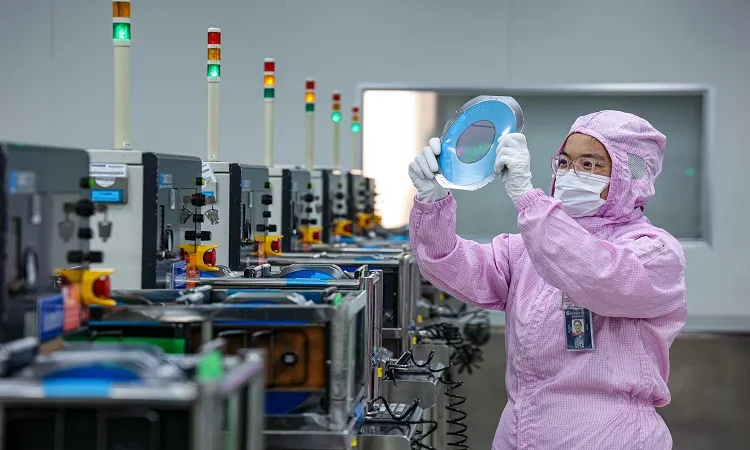
In a high-security facility in Shenzhen, Chinese scientists have reportedly completed a prototype of an Extreme Ultraviolet (EUV) lithography machine—the critical technology needed to manufacture the world’s most advanced AI and smartphone chips. This development, led by a secretive coalition of state institutes and tech giant Huawei, suggests China is years closer to semiconductor independence than Western analysts previously estimated.
Completed in early 2025, the machine fills an entire factory floor. While it has successfully generated EUV light, it has not yet produced working chips.
The project was fueled by former engineers from the Dutch company ASML (the world's sole provider of EUV technology). These recruits allegedly used fake identities and aliases to maintain total secrecy.
China launched a massive drive in 2019, offering bonuses up to $700,000 and home subsidies to lure semiconductor experts from abroad.
To bypass Western export bans, China is salvaging parts from older ASML machines bought on secondary markets and sourcing components from Japanese suppliers through intermediary networks.
While Western experts believed China was a decade away, the Chinese government aims to produce working chips on this prototype by 2028, though insiders suggest 2030 is a more realistic target.
The project is being treated with the highest level of state security, comparable to the U.S. "Manhattan Project."6 Huawei reportedly coordinates a web of thousands of engineers who are often barred from leaving work sites or using personal phones to prevent leaks. The ultimate goal is the total removal of U.S. technology from China’s semiconductor supply chain.