- National
- Bangladesh
- Business
- International
- Sports
- Entertainment
- Politics
- Technology
- Life Style
- Religion
- Opinion
Thursday, 30 April 2026


Global oil prices have surged past $100 per barrel due to the ongoing conflict involving Iran, the United States, and Israel, raising concerns about a broader economic impact.
Trading in Asian markets on Monday (March 9) saw Brent crude futures rise $18.35, or 19.8 percent, to $111.04 per barrel. US West Texas Intermediate (WTI) crude increased $16.50, or 18.2 percent, reaching $107.40 per barrel.
Analysts had predicted that oil would surpass $100 this week, and Monday’s spike reflects the first-day market reaction.
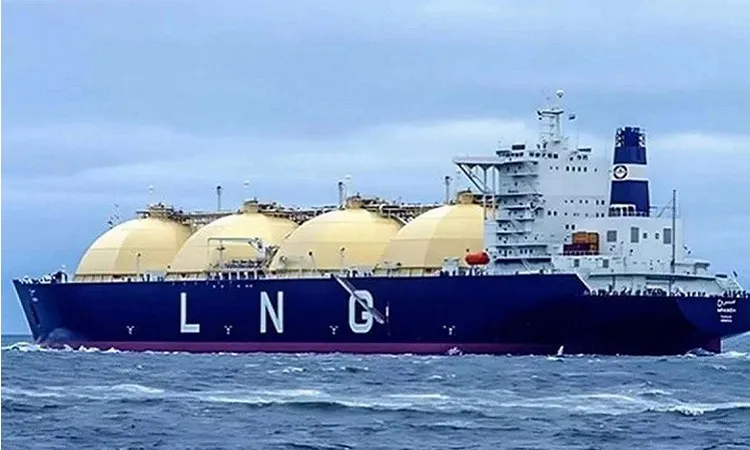
The price surge comes amid production cuts by major Middle Eastern oil producers and disruptions in shipping through the Strait of Hormuz, a key global oil transit route. Iraq and Kuwait have reduced production, while Qatar has cut liquefied natural gas (LNG) supply. An official from Iraq’s Basra Oil Company confirmed that storage limitations forced a 70 percent reduction in output, leaving just 1.3 million barrels.
Bruce Kassman, chief economist at JP Morgan, told Reuters that the global economy remains heavily dependent on Middle Eastern oil and gas. He added that oil could reach $120 per barrel in the short term if the conflict continues, though prices may fall if tensions ease.
According to OilPrice.com, current international oil prices have reached $115 per barrel. Shipping through the Strait of Hormuz is near a standstill due to attacks by Iran’s Islamic Revolutionary Guard Corps (IRGC) on transit vessels. Analysts warn that prolonged conflict could potentially double oil prices.
Comment