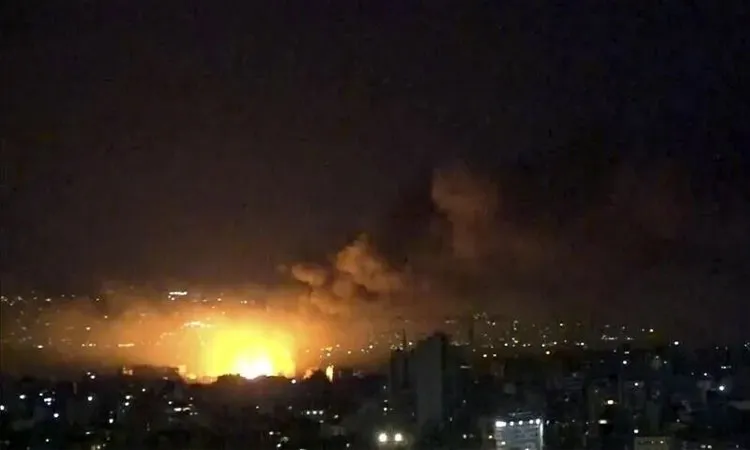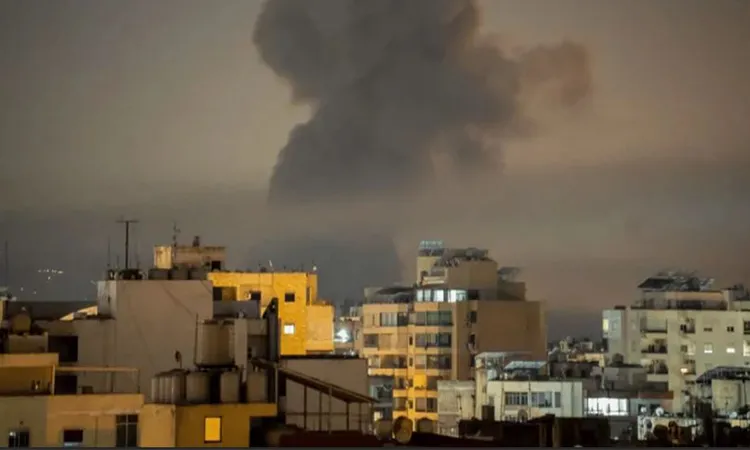
The recent ceasefire agreement between the United States and Iran faces a critical test as discrepancies emerge over its scope. While mediators suggest a regional truce, Israel’s continued military operations in Lebanon—resulting in at least 264 deaths—highlight a major diplomatic rift.
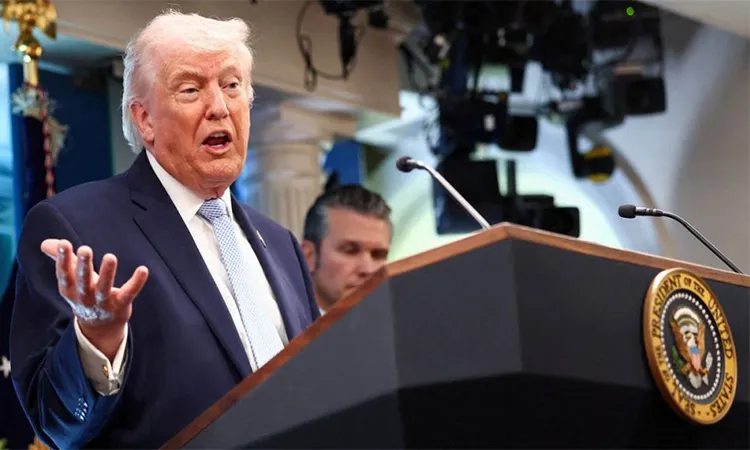
Israeli Prime Minister Benjamin Netanyahu maintains that Lebanon is excluded from the agreement, a position now formally backed by Donald Trump. The U.S. President clarified to the media that the war against Hezbollah is a "separate conflict," asserting that Lebanon was not included in the primary deal. White House Press Secretary Karoline Leavitt reaffirmed this, stating the ceasefire does not extend to Lebanese territory.
This U.S.-Israeli stance directly contradicts the terms outlined by Pakistan, the key negotiator of the deal. Pakistani Prime Minister Shehbaz Sharif insists the ceasefire was intended to be comprehensive, covering the entire region with specific emphasis on halting the violence in Lebanon.
Iranian Foreign Minister Abbas Araghchi has condemned the continued strikes, stating that the ceasefire conditions are clear. Araghchi warned that the U.S. must choose between a total cessation of hostilities or a continuation of the war through its support of Israeli operations.
The confusion surrounding the deal has heightened tensions across the Middle East. Analysts suggest that by treating Lebanon as an outlier, the U.S. risks a total collapse of the agreement, potentially escalating the very regional war the ceasefire was designed to prevent.