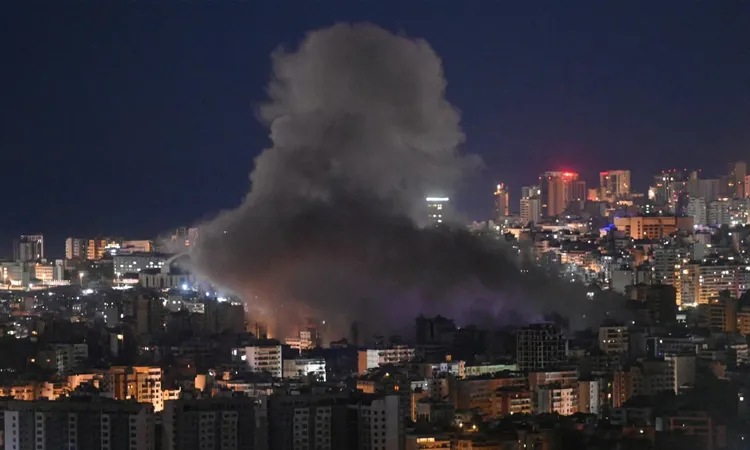
Iran’s Islamic Revolutionary Guard Corps (IRGC) has vowed a "regretful response" against Israel if the massive bombardment of Lebanon does not stop immediately.
The warning comes despite a newly brokered two-week ceasefire between the United States and Iran.

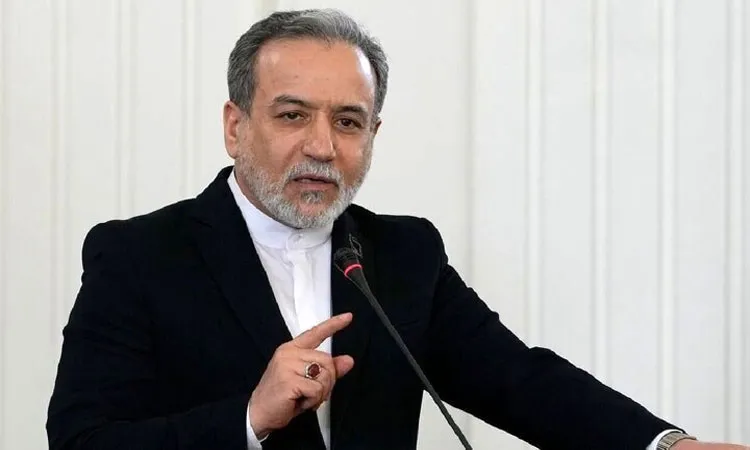
Iranian Foreign Minister Abbas Araghchi stated that the U.S. must choose between a total ceasefire or continued regional war, asserting that "the ball is in the U.S. court."
Devastation in Lebanon
Israeli warplanes carried out their largest-scale attacks on Lebanon to date, striking over 100 targets. The Lebanese Civil Defence reported at least 254 deaths and 1,165 injuries in a single day. The strikes leveled buildings in central Beirut, leaving the capital in ruins.
Netanyahu: "Hezbollah Not Part of Truce"
In a televised address, Israeli Prime Minister Benjamin Netanyahu clarified that while Israel cooperated with the U.S.-Iran ceasefire, the agreement does not include Hezbollah.

"We are continuing to hit Hezbollah," Netanyahu said, adding that Israel’s military remains on high alert with its "finger on the trigger." He claimed that Iran’s missile production has been crippled and its enriched uranium will be removed "by agreement or by force."
Confusion Over Ceasefire Terms
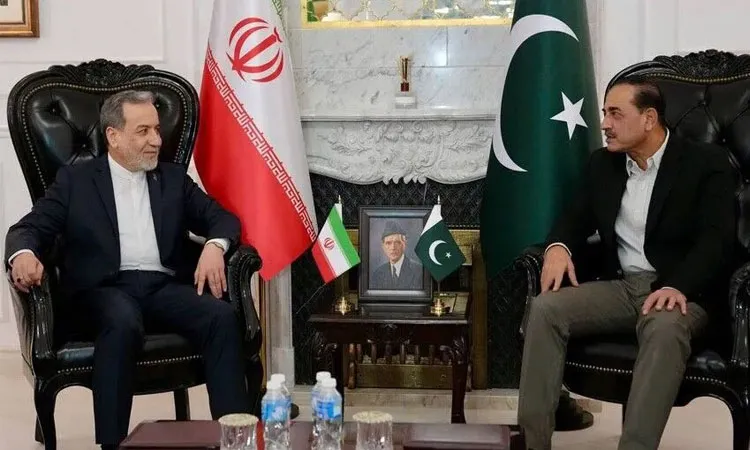
Discrepancies have emerged regarding the scope of the truce: Pakistan (Mediator): Initially suggested Lebanon was included.
Israel & U.S.: President Donald Trump and PM Netanyahu both characterized the situation in Lebanon as a "separate skirmish" not covered by the current deal.
Strait of Hormuz and Global Impact
The White House reported a slight increase in traffic through the Strait of Hormuz, though shipping sources noted the Iranian Navy continues to monitor vessels closely.

Meanwhile, in Washington, Press Secretary Karoline Leavitt indicated that President Trump may discuss a potential U.S. withdrawal from NATO during an upcoming meeting with NATO chief Mark Rutte.