A growing measles outbreak in Cox’s Bazar is putting severe pressure on the local health system, with 119 patients—mostly children—admitted to Cox’s Bazar Sadar Hospital as of April 1. One infant has died with measles symptoms.
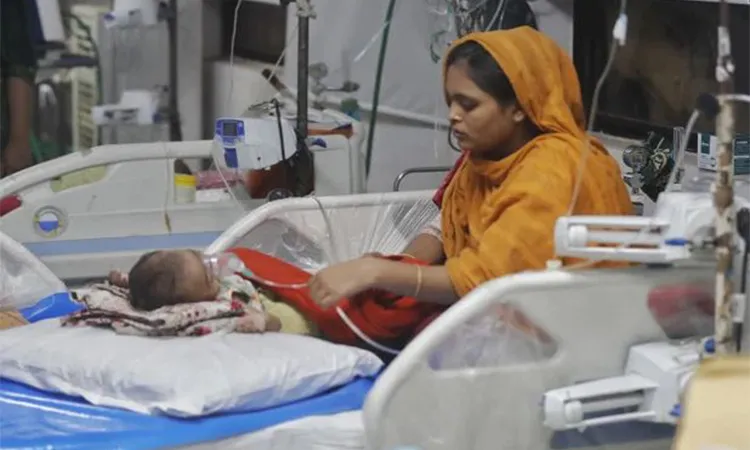
Seven-month-old son of Mariam Begum from Gudapara has been struggling to breathe for days. Red eyes, fever, and a spreading rash—symptoms she did not initially recognize as measles—have kept the child hospitalized for five days. Her story reflects the anxiety now gripping hundreds of families across the district.
Measles is spreading rapidly across Cox’s Bazar, particularly among young children. Hospitals are overwhelmed, and parents are spending sleepless nights fearing the worst.
Doctors say the disease spreads easily through coughing and sneezing and is more contagious than COVID-19. Symptoms include fever, runny nose, red eyes, and a red rash. The incubation period is typically 10 to 14 days.
Health experts warn that gaps in vaccination coverage over recent years—combined with malnutrition—have increased vulnerability among children.
Officials say routine immunization programs were disrupted during the COVID-19 pandemic and periods of political unrest. As a result, many children missed critical doses of the measles-rubella (MR) vaccine.
Authorities stress that children should receive, First MR dose at 9 months, Second MR dose at 15 months
Without urgent vaccination efforts, officials warn the outbreak could worsen.
Outbreak timeline
January 4: First measles case detected in Rohingya camps January 10: Health alert issued March: Rapid spread across surrounding areas April 1: 119 hospitalized; one infant death reported
The worst-affected areas include parts of Cox’s Bazar municipality, Maheshkhali, Ramu, and Rohingya camps. A visit to Cox’s Bazar Sadar Hospital shows an alarming situation. The 250-bed facility is operating beyond capacity.
Two patients are sharing single beds. Many children are being treated on the floor. Pediatric wards are overcrowded. An emergency isolation ward has been opened, but it is already under strain.
The hospital’s corridors are filled with crying children, anxious parents, and overworked doctors trying to manage the surge.
Hasina Begum from Maheshkhali said she initially thought her child had a mild illness. Later tests confirmed measles. Her child received one vaccine dose but missed follow-ups.
Afroza Khanam from Pahartali said her daughter developed fever, rash, breathing difficulty, and abdominal swelling before improving under hospital care.
Another mother from Ramu said she sought treatment only after a rash spread across her child’s body, highlighting delays in recognizing symptoms.
Dr. Shahidul Alam, Assistant Registrar of the Child Health Department, said most admitted patients are under nine months old. Continuous monitoring and treatment are ongoing.
Hospital Superintendent Dr. Mong Ting Ngo said the surge has created severe shortages of beds, staff, and equipment. “The pressure is beyond our capacity,” he said.
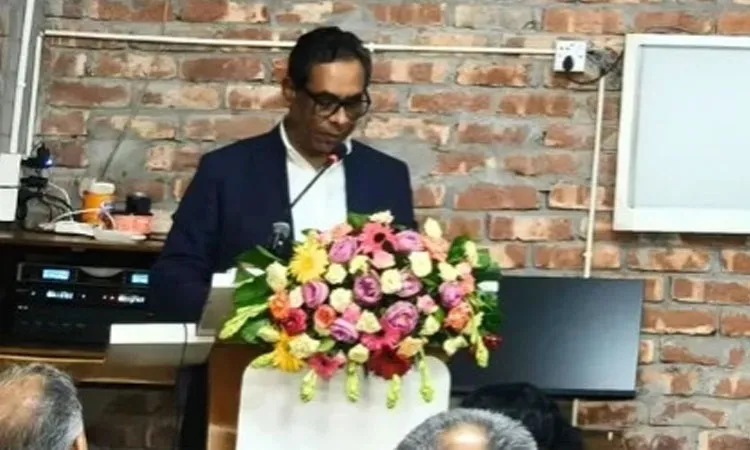
Acting Civil Surgeon Mohiuddin Alamgir called for urgent coordinated action, including mass vaccination, public awareness, and early treatment.
“Only timely vaccination and awareness can control this crisis,” he said.