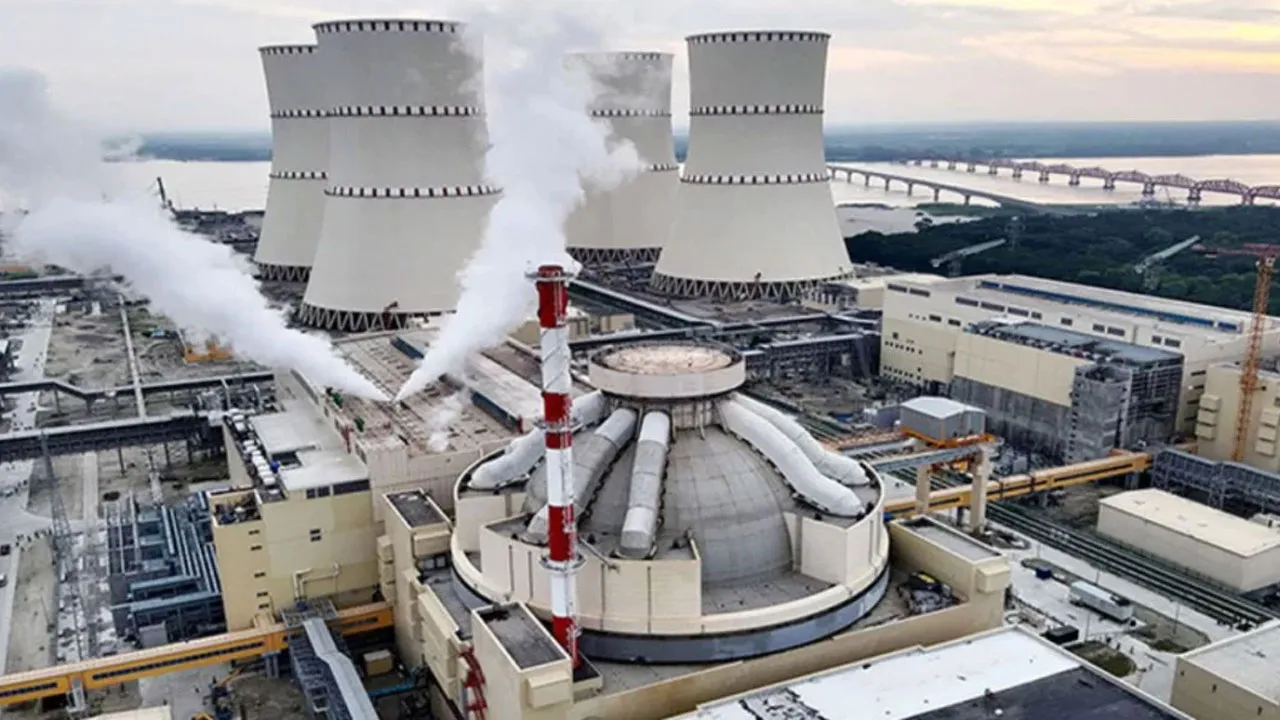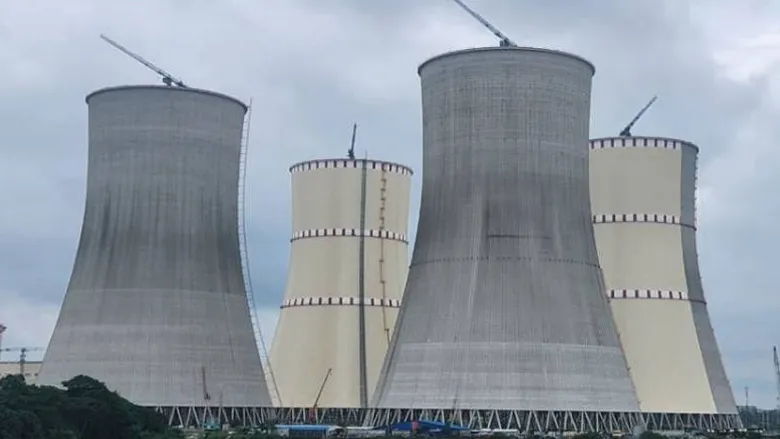
The fuel loading for Unit 1 of the Rooppur Nuclear Power Plant (RNPP), originally scheduled for April 7, has been postponed due to a delay in obtaining the necessary commissioning license.
Science and Technology Secretary Md. Anwar Hossain confirmed the development, stating that while technical preparations were in place for the April 7 start, the mandatory clearance from the regulatory body is still pending.
"Fuel loading depends entirely on the regulatory agency’s clearance," the Secretary told the media. "The Bangladesh Atomic Energy Regulatory Authority (BAERA) is currently reviewing the documentation. We will fix a new schedule once the license is issued."
The Russian contractor had previously proposed the April 7 timeline. Under that plan, the plant was expected to begin trial generation by July, initially supplying 300 megawatts (MW) to the national grid before reaching its full 1,200 MW capacity by December.
Project officials noted that this delay will naturally push back the power generation timeline. The fuel loading process typically takes one month, followed by approximately two months to reach the "criticality" or chain reaction stage. Generally, it takes 10 to 11 months from the start of fuel loading to achieve full-scale commercial production.
Despite the setback, officials from the Bangladesh Atomic Energy Commission (BAEC) remain optimistic, hoping to secure the license and begin fuel loading by the end of this month. They emphasized that all physical construction and technical inspections for Unit 1 are complete.
"The regulatory body is independent; they will only approve the license once they are 100% satisfied with the safety protocols," a senior BAEC official stated on condition of anonymity.
Dr. Mahbubur Rahman, Project Director of Nuclear Regulatory Infrastructure at BAERA, declined to comment, noting he is currently occupied with the final review at the Rooppur site.
The $12.65 billion project, which began in 2017, has seen 81% of its budget utilized. While Unit 1 is in the final commissioning stage, Unit 2 is over 70% complete. Although the project deadline was recently extended to 2027, this latest delay adds fresh uncertainty to the completion of the country’s first nuclear power plant.