- National
- Bangladesh
- Business
- International
- Sports
- Entertainment
- Politics
- Technology
- Life Style
- Religion
- Opinion
Saturday, 07 March 2026

The escalating conflict involving the United States, Israel, and Iran has begun to severely affect Bangladesh’s energy supply chain, primarily due to disruptions in shipping through the critical Strait of Hormuz, one of the world’s busiest oil and gas transit routes.
As most of Bangladesh’s imported crude oil and liquefied natural gas (LNG) pass through this chokepoint, the uncertainty has triggered an emerging energy emergency.
Fuel Rationing and Shortages
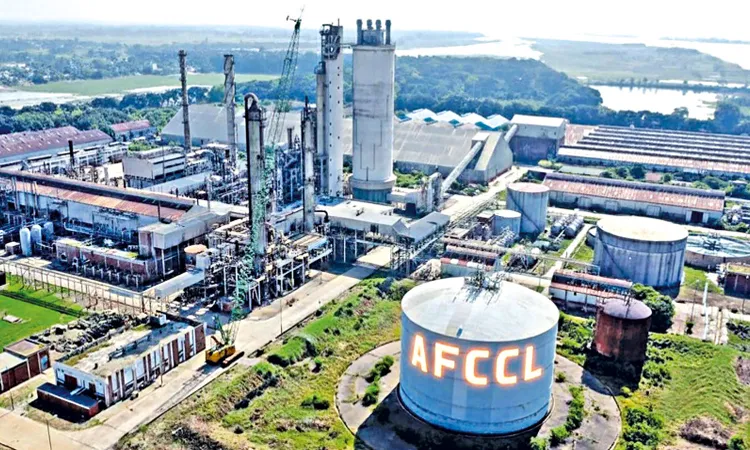
The government has already introduced fuel rationing measures to cope with the situation. Following a high-level meeting chaired by Energy Minister Iqbal Hasan Mahmud Tuku, authorities ordered a 10% reduction in fuel allocations to petrol pumps, 50mmcfd reduction in gas supply for electricity generation. The temporary shutdown of fertiliser factories, except Shahjalal Fertilizer Company Limited in Sylhet.
Fuel reserves are falling rapidly Diesel: only 9 days remaining, Octane: about 15 days and Furnace oil: about 60 days, down from 93days weeks ago.
As a result, petrol pumps across the capital are facing shortages. Surveys show several stations completely out of fuel, while others are limiting sales to Tk500 per customer. Long queues have formed as motorists rush to stockpile fuel.
LNG Shipment Disruptions
According to Petrobangla Chairman Md Arfanul Hoque, two LNG cargoes scheduled for March have been delayed. Bangladesh has booked replacement shipments through the volatile spot market.
Seven LNG shipments were planned for March Six from Qatar, One from Angola,
Qatar has already cancelled two deliveries, forcing Bangladesh to purchase LNG through Singapore-based traders Gunvor and Vitol Asia.
Five more LNG shipments are expected in April through the Hormuz route. If the conflict escalates further, Bangladesh is exploring alternative suppliers from Australia, Malaysia, United States and Angola.
Emergency Fuel Procurement
The Bangladesh Petroleum Corporation is working to secure emergency oil supplies from multiple countries like Singapore, Malaysia, Indonesia, China also several African suppliers.
Saudi energy giant Saudi Aramco has also pledged refined oil shipments from sources outside Saudi Arabia.
Anti-Hoarding Measures
To prevent fuel hoarding and smuggling, the government has deployed vigilance teams involving Border Guard Bangladesh and local administrations. Petrol pump operators have been instructed not to sell fuel in drums or containers.
The Petrol Pump Owners Association of Bangladesh said pump operators cannot refuse customers but have asked the government to clarify limits on how much fuel each buyer can purchase.
Economic and Industrial Concerns
Industry leaders warn that prolonged disruptions could hit Bangladesh’s economy hard. LNG prices have already surged 35%, raising concerns about inflation and production costs.
Azam J Chowdhury, chairman of East Coast Group, warned that about 25% of global energy shipments pass through the Gulf, meaning any prolonged disruption could trigger global supply shortages.
Meanwhile, Bangladesh Garment Manufacturers and Exporters Association President Mahmud Hasan Khan said rising fuel costs could reduce production and exports. The association has proposed waiving duties, taxes, and VAT on fuel and gas imports to support industries.
Energy Conservation Drive
The government has urged citizens to conserve energy by reducing private vehicle use, using public transport or car-pooling and Limiting gas consumption at home.
Prime Minister Tarique Rahman has also symbolically reduced electricity use in his office by turning off half the lights and setting air conditioners to 25°C.
Despite the crisis, officials say Bangladesh is working aggressively to secure alternative energy supplies and avoid a major disruption in electricity and gas services.
Comment