Chief Adviser Professor Muhammad Yunus has said that the return of more than one million Rohingyas to Myanmar’s Rakhine State remains the only viable and lasting solution to the crisis.
He urged the United Nations refugee agency to continue its active role in facilitating the safe, voluntary and dignified repatriation of the displaced population.
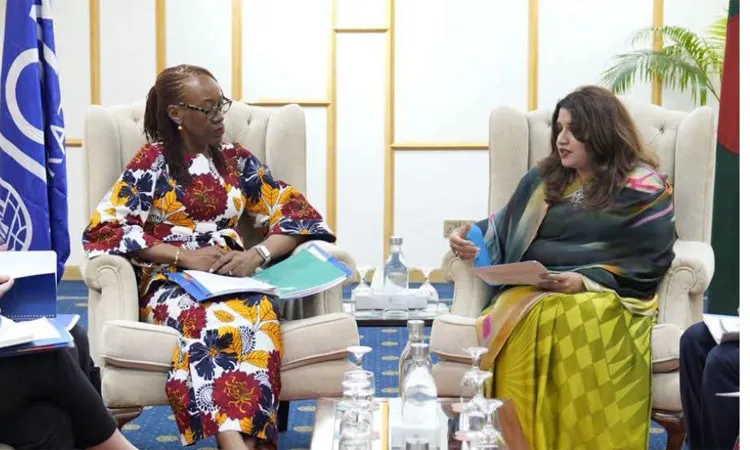
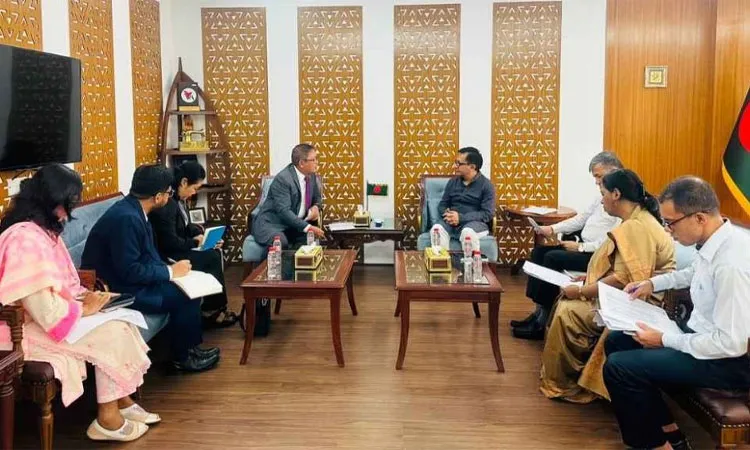
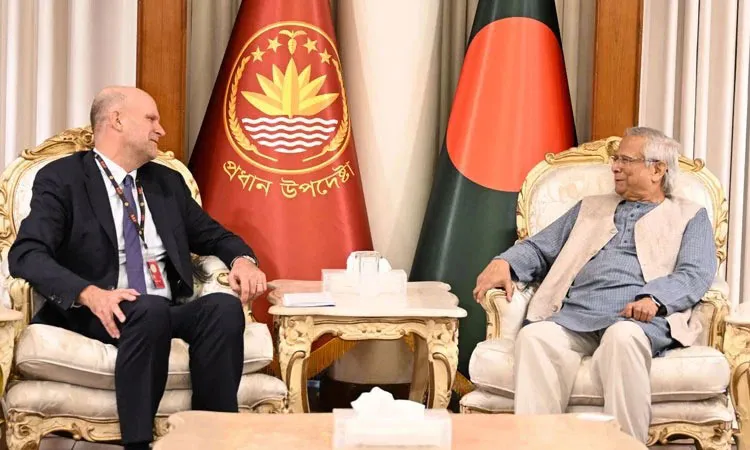
Professor Yunus made the remarks on Wednesday during a courtesy call by Ivo Freijsen, the newly appointed country representative of the United Nations High Commissioner for Refugees (UNHCR), at the State Guest House Jamuna, according to the Chief Adviser’s Press Wing.
During the meeting, Freijsen highlighted a sharp decline in international aid for Rohingyas living in camps in Cox’s Bazar and stressed the need to promote self-reliance and livelihood opportunities within the settlements.
Professor Yunus said the Rohingya crisis was no longer receiving the global attention it deserved, despite efforts by Bangladesh’s interim government to refocus international concern. He cited several high-profile initiatives over the past year, including a Ramadan visit by the UN Secretary-General to the camps.
He warned that a prolonged stay in the camps could not be a solution, noting that it had already caused strain on host communities. He called for renewed international pressure to ensure repatriation.
“The problem began in Myanmar, and the solution must also come from there,” Yunus said. “A frustrated and angry young generation is growing up in the camps with access to technology. This is not good news for anyone. Our responsibility is to ensure they return home in peace and dignity.”
The discussion also covered conditions on Bhasan Char, where Yunus said many Rohingyas had left shelters and merged into the mainland population, creating new challenges for Bangladesh.
Freijsen said newly appointed UNHCR chief Barham Salih has expressed strong interest in visiting Bangladesh and is expected to tour the Rohingya camps. His predecessor, Filippo Grandi, visited the camps several times since 2017.
The meeting also addressed Bangladesh’s democratic transition, including upcoming general elections and a referendum. Professor Yunus said the country was fully prepared to hold a free, fair and inclusive election.
“We want to set a new standard for elections,” he said. “Our goal is a credible process that feels festive and welcoming, especially for first-time voters.”
SDG Coordinator and Senior Secretary Lamiya Morshed was also present at the meeting.