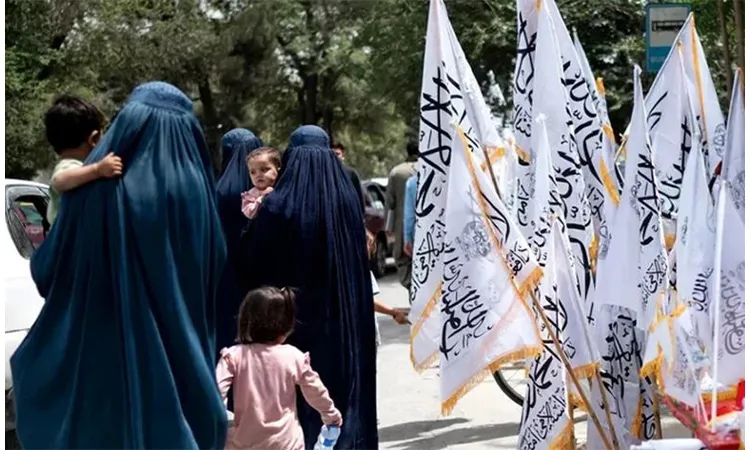
Pakistan and Iran, which have hosted Afghans fleeing long-standing crises in their countries, have recently stepped up deportations, forcing millions to cross borders to return to a country that is struggling to feed them, AFP reported from Kabul.
The report said that whether they arrive with their families or alone, Afghan returnees are forced to start a new life in a country plagued by poverty and environmental crises.
AFP has highlighted the situation and challenges of people returning to Afghanistan.
The International Organization for Migration (IOM) said that more than half a million Afghans have returned to their country from Iran and Pakistan since September 2023. Mutya Ijora Maskun, deputy head of the IOM's Afghanistan office, said that this number is equivalent to about 10 percent of the country's total population.
About three million people returned home across the border last year alone. Many of them have spent decades abroad. Maskun said it is difficult for any country to cope with such a large influx.
According to an IOM survey, 80 percent of people still do not have permanent housing even a few months after returning to Afghanistan. The survey of 1,339 migrants was conducted on people who returned between September 2023 and December 2024.
They are forced to live in temporary houses made of materials such as stone or mud. The UN refugee agency UNHCR then spoke about the housing situation of Afghans who returned between January and August last year.
The survey of 1,658 returnees showed that three-quarters of tenants are unable to pay their rent. At the same time, most families are forced to live with up to four people in one room.
The IOM survey found that only 11 percent of adults returning from Pakistan and Iran have full-time employment. According to UNHCR, the average monthly income of those who returned home in the first few months of last year was between $22 and $147.
More than half of the returnee households lack permanent electricity connections, the IOM said. The organization added that female-headed households are “significantly more vulnerable.” Nearly half of these households struggle to access safe water.
Hamdullah Fitrat, deputy spokesman for the Afghan government, said that plots of land had been distributed to more than 3,000 returnees across the country. He said the process had been expedited, citing a special meeting with Supreme Leader Hibatullah Akhundzada in mid-January.
Upon arrival in Afghanistan, returnees usually receive transportation assistance, a SIM card and a small cash stipend.