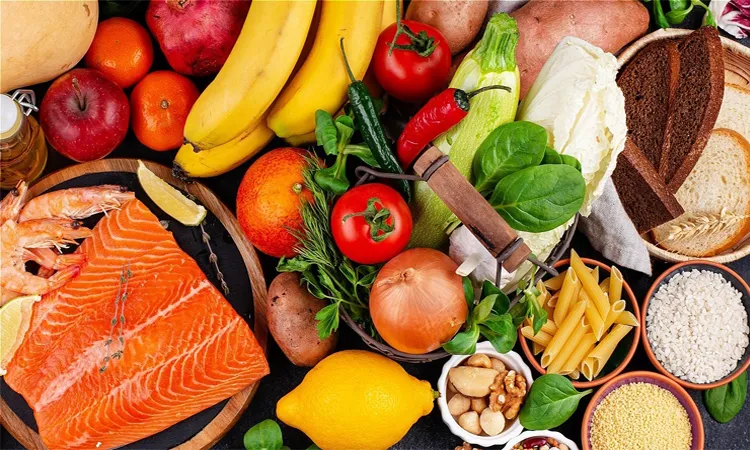
Dietary fiber is a crucial nutrient for long-term health, yet many adults consume far less than recommended.
Fiber found in plant-based foods like wholegrains, fruits, pulses, nuts, and seeds, supports digestion, heart health, and brain function while potentially extending lifespan.

There are two types of fiber: soluble, which lowers cholesterol and stabilizes blood sugar, and insoluble, which promotes regular digestion. Research links high-fiber diets to lower LDL cholesterol, reduced blood pressure, and decreased risk of heart disease.
Fiber also nourishes the gut microbiome, producing short-chain fatty acids like butyrate, which improve cognition, regulate mood, reduce inflammation, and may slow age-related cognitive decline. Studies show higher fiber intake correlates with a reduced risk of dementia, stroke, type 2 diabetes, colon cancer, and premature death. The greatest benefits appear at 25–30 grams per day.

Experts recommend incorporating fiber into every meal. Examples include a jacket potato with beans, fruits, vegetables, nuts, seeds, or fiber supplements for those who struggle to meet daily needs. Prebiotic fibers can reshape the gut microbiome, boosting beneficial bacteria such as Bifidobacterium, further supporting brain and overall health.
With fiber intake linked to improved sleep, mental well-being, and longer life expectancy, nutritionists stress that increasing fiber consumption is one of the simplest and most effective steps for preventive health.
Note: Recommendations and data are based on studies from the University of Dundee, Rowett Institute, Kings College London and peer-reviewed research on fiber, microbiome and cognition.