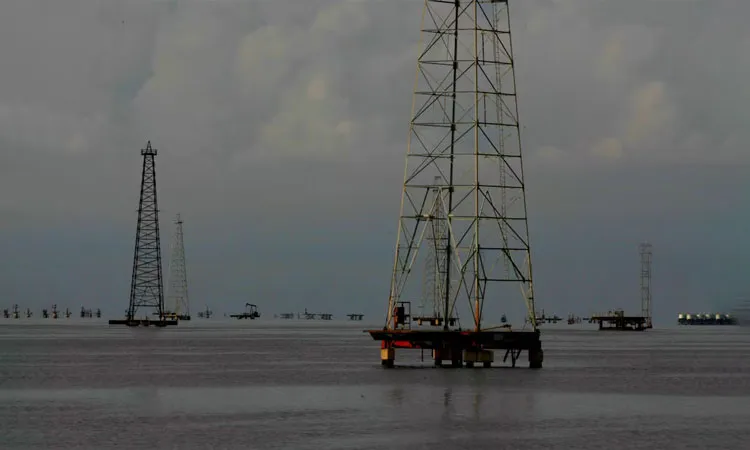
President Donald Trump announced Tuesday that the United States and Venezuela have reached a deal to export up to $2 billion worth of Venezuelan crude to U.S. shores. The move diverts supplies away from China and aims to prevent a total collapse of Venezuelan oil production.
The agreement signals that Venezuela’s interim government, led by Delcy Rodriguez, is meeting Trump’s demands to open the nation's energy sector to U.S. companies. The deal comes on the heels of a chaotic weekend in which U.S. forces captured Nicolas Maduro, an act Venezuelan officials labeled a "kidnapping."
Under the terms of the deal, Venezuela will turn over between 30 and 50 million barrels of "sanctioned oil" currently trapped in storage and tankers due to a U.S. blockade.
"This oil will be sold at its market price, and that money will be controlled by me," Trump stated on social media. He claimed the funds would be managed to benefit the citizens of both countries.
U.S. Energy Secretary Chris Wright will oversee the execution of the deal. Currently, Chevron is the only U.S. firm authorized to export Venezuelan crude, maintaining a flow of roughly 100,000 to 150,000 barrels per day. It remains unclear if the Venezuelan government will receive any direct proceeds, as state-run PDVSA remains frozen out of the global financial system.
U.S. crude prices fell more than 1.5% following the announcement. Energy experts suggest the influx of heavy crude is "great news" for Gulf Coast refineries, which are specifically designed to process Venezuela’s dense oil grades.
"Venezuela has an opportunity now to have capital come in and rebuild their economy," U.S. Interior Secretary Doug Burgum told Fox News.
To facilitate the sale, officials are discussing several mechanism allowing U.S. buyers to bid on specific cargoes, issuing permits to PDVSA’s partners—including Reliance, CNPC, Eni, and Repsol—to resume shipments. Preliminary talks have touched on using Venezuelan oil to replenish the U.S. Strategic Petroleum Reserve.
For the past decade, China has been Venezuela’s primary buyer. By redirecting these barrels to the U.S., Washington is effectively squeezing Beijing’s energy supply chain while asserting control over Caracas.
However, the political landscape remains volatile. Interim President Rodriguez, who was sworn in Monday, remains under U.S. sanctions herself for past actions undermining democracy. For now, the focus remains on the "big win" Trump is seeking: lower energy costs and a neutralized Maduro regime.