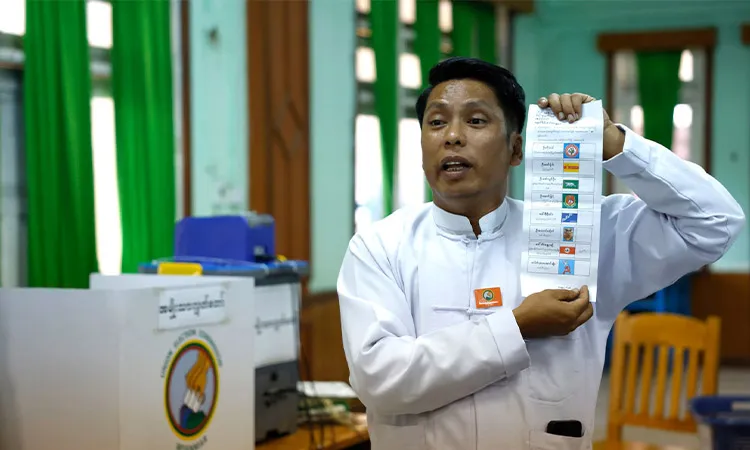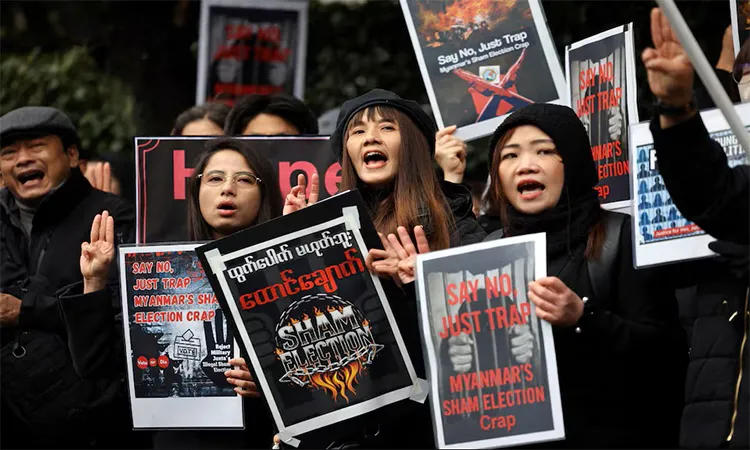
Myanmar’s military junta, led by General Min Aung Hlaing, is attempting to transition from military rule to a civilian-veneer government through a controversial general election.
Five years after the 2021 coup, the junta chief has publicly urged voters to select candidates who will "cooperate with the Tatmadaw," signaling a desire to cement military control via the ballot box where they have struggled on the battlefield.
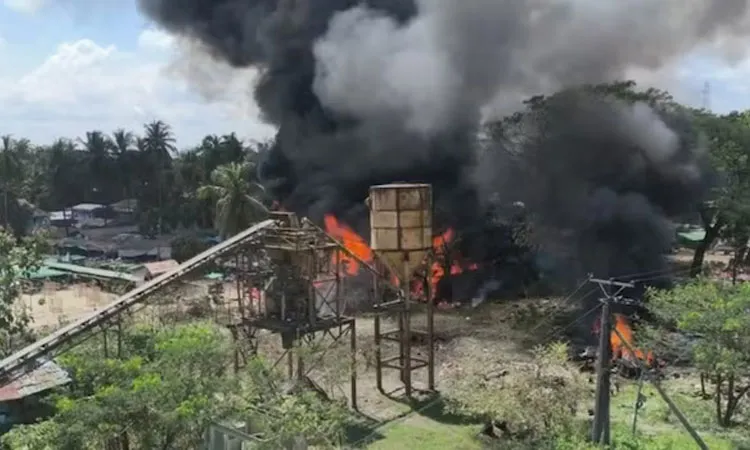
Voting is scheduled in two phases (Sunday and January 11) but will only occur in 202 out of 330 townships. The military lacks control over the remaining areas due to fierce resistance from ethnic armies and pro-democracy forces.
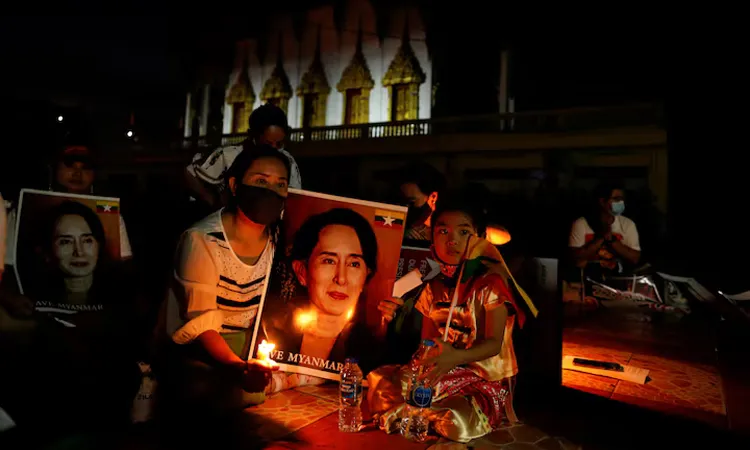
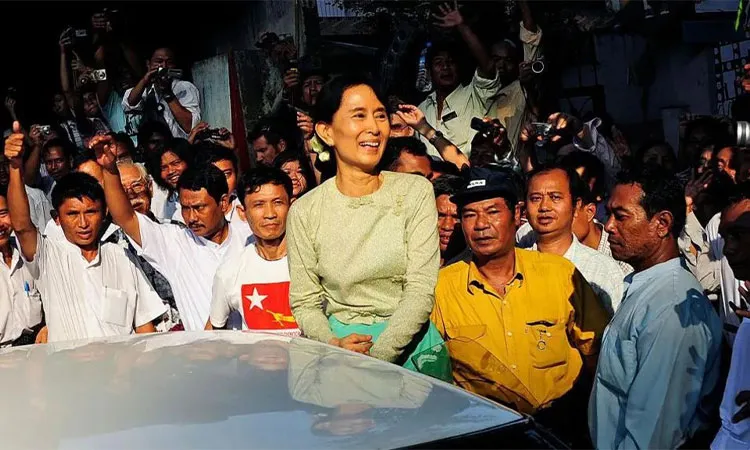
Nobel laureate Aung San Suu Kyi’s National League for Democracy (NLD) remains dissolved, and many anti-junta parties are barred from competing.
The Union Solidarity and Development Party (USDP) is tipped to win, potentially clearing a path for Min Aung Hlaing to assume a civilian presidential role.
Analysts warn that this "cosmetic change" will fail to resolve the ongoing civil war. Key points of international contention include:
The UN, UK, and Western nations have labeled the polls as neither free nor fair, citing a lack of inclusive dialogue and the ongoing imprisonment of political figures.
While China supports the process, ASEAN members like Thailand have expressed difficulty in re-engaging with Myanmar without an end to violence.
Experts suggest that rather than stabilizing the country, these orchestrated elections may actually intensify the armed conflict.