- National
- Bangladesh
- Business
- International
- Sports
- Entertainment
- Politics
- Technology
- Life Style
- Religion
- Opinion
- FIFA World Cup 2026
Tuesday, 23 June 2026

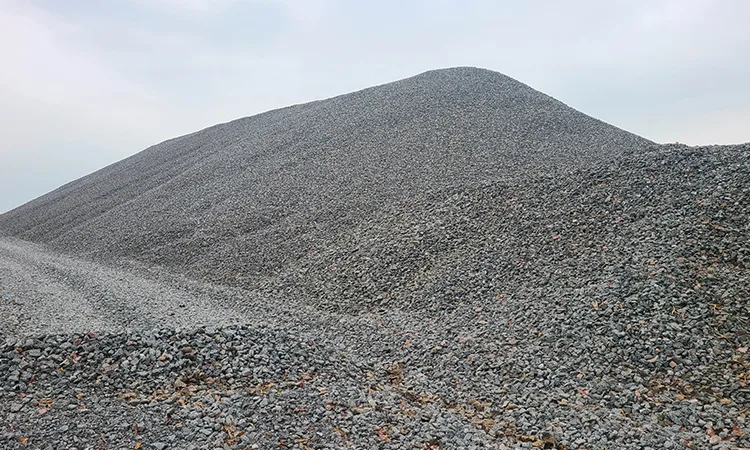
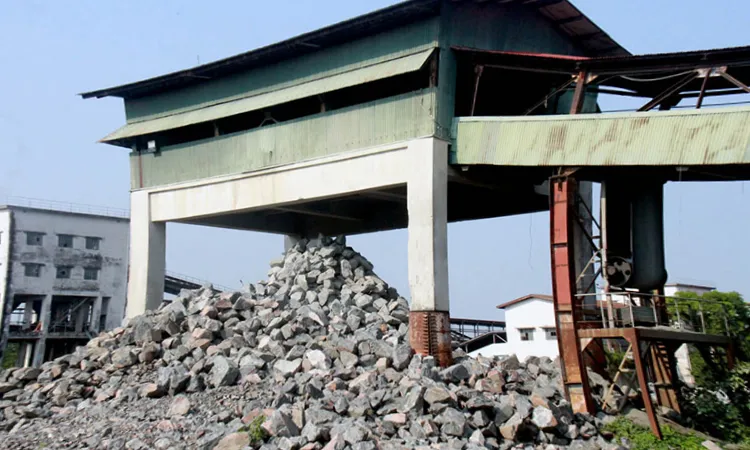
The Madhyapara hard rock mine in Dinajpur is facing a critical production standstill. Despite record extraction rates, authorities warn that operations may cease within a month as over 1.5 million metric tons of unsold stone have overwhelmed the mine’s 25 storage yards.
According to mining sources, the surplus includes roughly 867,000 tons of 40-60mm ballast stone, specifically produced for Bangladesh Railway. However, a significant reduction in procurement by both the Railway and the Water Development Board (WDB) has brought sales to a near halt.
While domestic stone sits idle, government projects have increasingly turned to imports from India and Bhutan. Industry insiders point to a lack of mandatory domestic sourcing policies as a primary reason for the market decline.
The mine’s Managing Director, Engineer M. Jobayed Hossain, noted that the stack yards are reaching maximum capacity. "If sales do not match production soon, we will have no choice but to stop extraction," he stated.
A major bottleneck is the dilapidated 13-kilometer railway link between the mine and Bhavanipur. The lack of functional rail transport forces a reliance on expensive road haulage, driving up the final price and making Madhyapara stone less competitive against imports. Additionally, rising royalties and high duties on explosives have pushed production costs upward.
Since the Germania-Trest Consortium (GTC) took over operations, daily extraction has jumped from 700 tons to 5,500 tons. This efficiency made the mine profitable starting in the 2018-19 fiscal year, but the recent sales slump led to losses in 2023-24.
Experts highlight a glaring contradiction: Bangladesh imports nearly 25 million tons of stone annually—valued at approximately 9,000 crore BDT—despite Madhyapara stone boasting a superior strength of 25,000 PSI.
To save the mine and conserve foreign exchange, stakeholders are calling for Mandatory use of domestic stone in all government infrastructure projects. Urgent renovation of the mine-to-Bhavanipur railway line. Reduction of import duties on mining explosives.
Competitive pricing strategies to match imported alternatives.