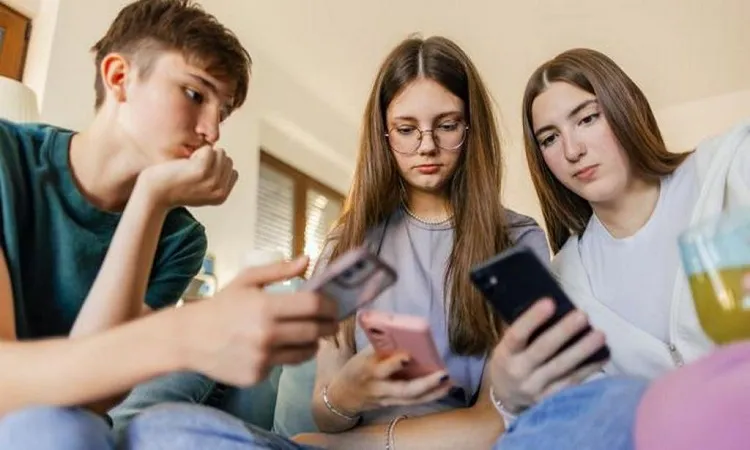
Australia has become the first country globally to enforce a ban on social media use for children under the age of 16, effective midnight on Wednesday. This landmark move is seen by the government as a crucial step to curb online harms, though it has faced criticism from technology and free-speech advocates.
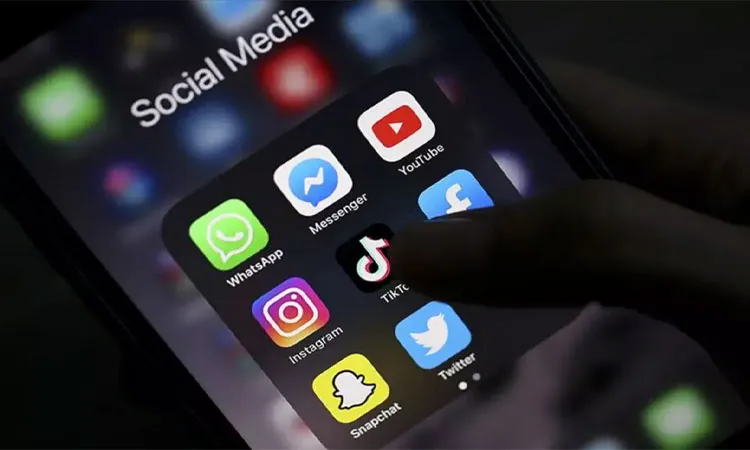
The Ban: 10 of the largest social media platforms, including TikTok, YouTube, Instagram, and Facebook, are now required to block access for users under 16.
Penalties: Companies that fail to comply face substantial fines of up to A$49.5 million ($33 million).
Prime Minister Anthony Albanese hailed it as a "proud day" and a "profound reform," urging affected children to engage in new activities during the upcoming summer school break.
The law is being closely monitored by regulators worldwide, with countries like Denmark, New Zealand, and Malaysia considering similar measures, positioning Australia as a test case for age-gating.
Platforms like Elon Musk's X (formerly Twitter) have publicly committed to complying with the new law, stating it is required by Australian legislation. Companies will use a mix of age inference, age estimation (via selfie), and potential document/bank checks to verify user ages. An estimated one million children are affected. Many posted farewell messages online before the ban took effect.
While welcomed by parents, critics (including tech firms) and some affected teenagers have raised concerns, including potential isolation for marginalized communities (e.g., queer people) who use social media to find community and seek mental health help.
The ban was proposed citing research that links the overuse of social media among young teens to negative impacts on mental health, bullying, misinformation, and harmful body image depictions.