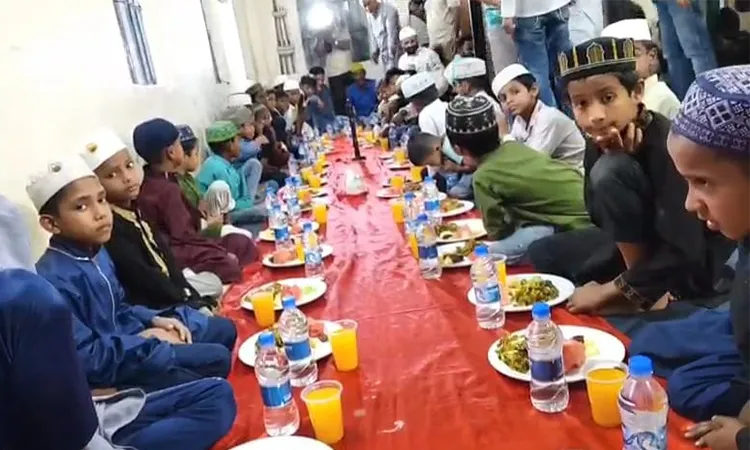
The month of Ramadan teaches unity, peace, discipline and harmony. These values are central to Islam and essential for both spiritual growth and social stability.
Every command and guideline of Islam carries benefits for human life, both worldly and spiritual. These teachings come from Allah, the Lord of the Worlds, and were lived and taught by the beloved Prophet Muhammad (peace be upon him). Ramadan reflects these teachings in a way that is simple, welcoming and deeply meaningful.
During Ramadan, Muslims across the world observe the same acts of worship—fasting, prayer, charity and self-restraint. This shared practice creates a powerful sense of unity, brotherhood and peace. When people follow the same values together, harmony grows in families, communities and societies. Conflict and unrest gradually fade through shared discipline and collective purpose.
There are two main sources of strength for the Muslim community: piety and unity. Ramadan nurtures both. By fasting together, Muslims show discipline, equality and obedience to Allah. This collective devotion sends a clear message that the Muslim Ummah stands united in belief and practice.
The Holy Qur’an instructs believers: “Hold firmly to the rope of Allah all together and do not be divided” (Surah Al-Imran: 103). Ramadan brings this message to life through communal worship and shared sacrifice. It renews the spirit of unity that is essential for social peace and moral strength.
Around the world, unity takes many forms. Some bring benefit, while others cause harm. Islam does not support any form of unity that oppresses or harms humanity. Instead, it promotes a universal unity based on justice, compassion and mutual respect. Such unity encourages peace, knowledge, creativity and human welfare.
A lack of unity leads to conflict, mistrust and instability—within families, societies and nations. Where there is no peace or goodwill, there can be no meaningful progress. Ramadan reminds us that unity and moral discipline are the foundations of a hopeful and prosperous life.
Throughout the month, those who fast experience calmness, empathy and positive thinking. Harmful attitudes such as hatred, deceit and hostility naturally decline. The spirit of Ramadan inspires self-purification and social responsibility.
If the values of fasting—patience, unity, honesty and compassion—are practiced beyond Ramadan, society as a whole can change for the better. A nation guided by these principles becomes stronger, more peaceful and more prosperous.
May Allah grant us the wisdom to uphold these teachings in our daily lives. Ameen.
Author: Mohammed Nurul Absar Taiyobi is a writer, researcher, and Islamic thinker. He is the Founder President of the Expatriate Journalists Association (PRASAS) based in Dubai, UAE. Additionally, he serves as the Chairman of the Islamic Research Center located in Abu Dhabi, UAE. For correspondence, he can be reached at: muntyping@gmail.com