Iran is close to finalising a deal with China to purchase advanced anti-ship cruise missiles, according to six people familiar with the negotiations. The talks come as the United States deploys a large naval force near Iran amid threats of possible military action.
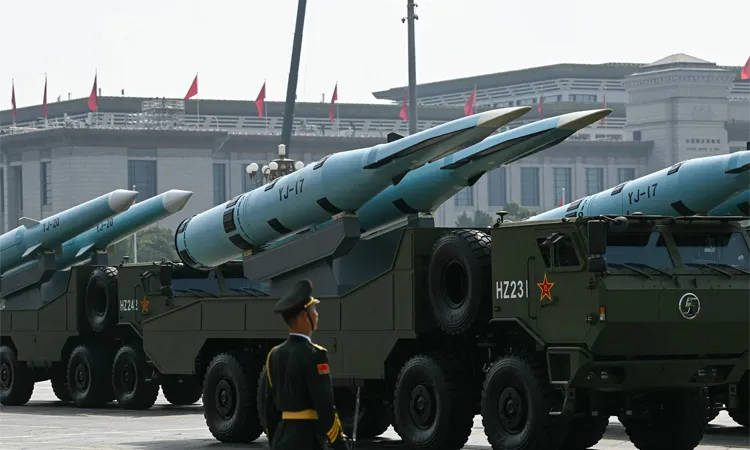
The deal involves China-made CM-302 supersonic missiles. While no delivery date has been set, sources said the agreement is near completion. The missile has a range of about 290 kilometres and is designed to fly low and fast to evade ship-based air defences.
Two weapons experts said the missiles would significantly strengthen Iran’s naval strike capability and pose a serious challenge to US warships operating in the region.
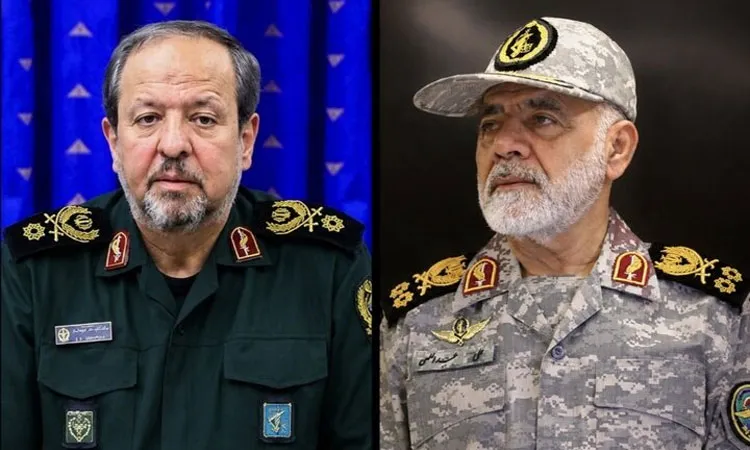
Negotiations began at least two years ago but gained momentum after last June’s 12-day conflict between Iran and Israel, the sources said. As talks reached advanced stages last summer, senior Iranian officials travelled to China, including Iran’s deputy defence minister Massoud Oraei, according to two security officials. His visit has not been previously reported.
“It would be a major game changer if Iran acquires supersonic anti-ship missiles,” said Danny Citrinowicz, a former Israeli intelligence officer now at Israel’s Institute for National Security Studies. “These weapons are extremely difficult to intercept.”
Reuters could not confirm how many missiles are included in the proposed deal, how much Iran would pay, or whether China will proceed amid escalating regional tensions.
An Iranian foreign ministry official told Reuters that Iran has long-standing military agreements with its allies and considers this an appropriate time to activate them.
After publication, China’s Ministry of Foreign Affairs said it was not aware of any such missile negotiations. China’s defence ministry did not respond to requests for comment.
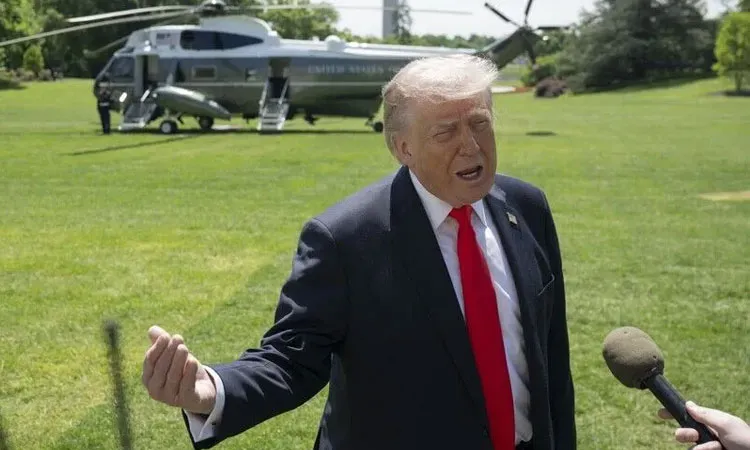
The White House declined to directly address the reported talks. A US official said President Donald Trump had warned Iran it must either reach a nuclear agreement or face “very tough” consequences.
If completed, the missile sale would be among the most advanced weapons systems China has transferred to Iran. It would also challenge United Nations arms restrictions, first imposed in 2006, eased in 2015 under the Iran nuclear deal, and reimposed in September last year.
Analysts say the deal would highlight growing military cooperation between China and Iran, complicating US efforts to curb Iran’s missile and nuclear programmes and signalling Beijing’s increasing influence in a region traditionally dominated by US military power.
China, Iran and Russia regularly conduct joint naval exercises. Last year, the US Treasury sanctioned several Chinese firms for allegedly supplying missile-related materials to Iran’s Islamic Revolutionary Guard Corps. China denied the allegations, saying it strictly enforces export controls.
During a military parade in Beijing last September attended by Iranian President Masoud Pezeshkian, Chinese President Xi Jinping said China supports Iran in safeguarding its sovereignty and territorial integrity.
The reported missile talks come as the US assembles a powerful naval force near Iran, including the aircraft carrier USS Abraham Lincoln and the USS Gerald R. Ford. Together, the two carrier strike groups can deploy more than 5,000 personnel and around 150 aircraft.
President Trump said on February 19 that Iran had 10 days to reach a nuclear agreement or face possible military action. Reuters earlier reported that the US is preparing for prolonged operations if an attack is ordered.
The CM-302 missiles are produced by China’s state-owned China Aerospace Science and Industry Corporation, which markets them as capable of targeting aircraft carriers, destroyers and land-based targets. The company did not respond to requests for comment.
Sources also said Iran is in discussions with China about acquiring air defence systems, anti-ballistic missile technology and anti-satellite weapons.
China was a major arms supplier to Iran in the 1980s, but large-scale transfers declined in the late 1990s under international pressure. In recent years, US officials have accused Chinese firms of assisting Iran’s missile programme, though Beijing has denied supplying complete missile systems.