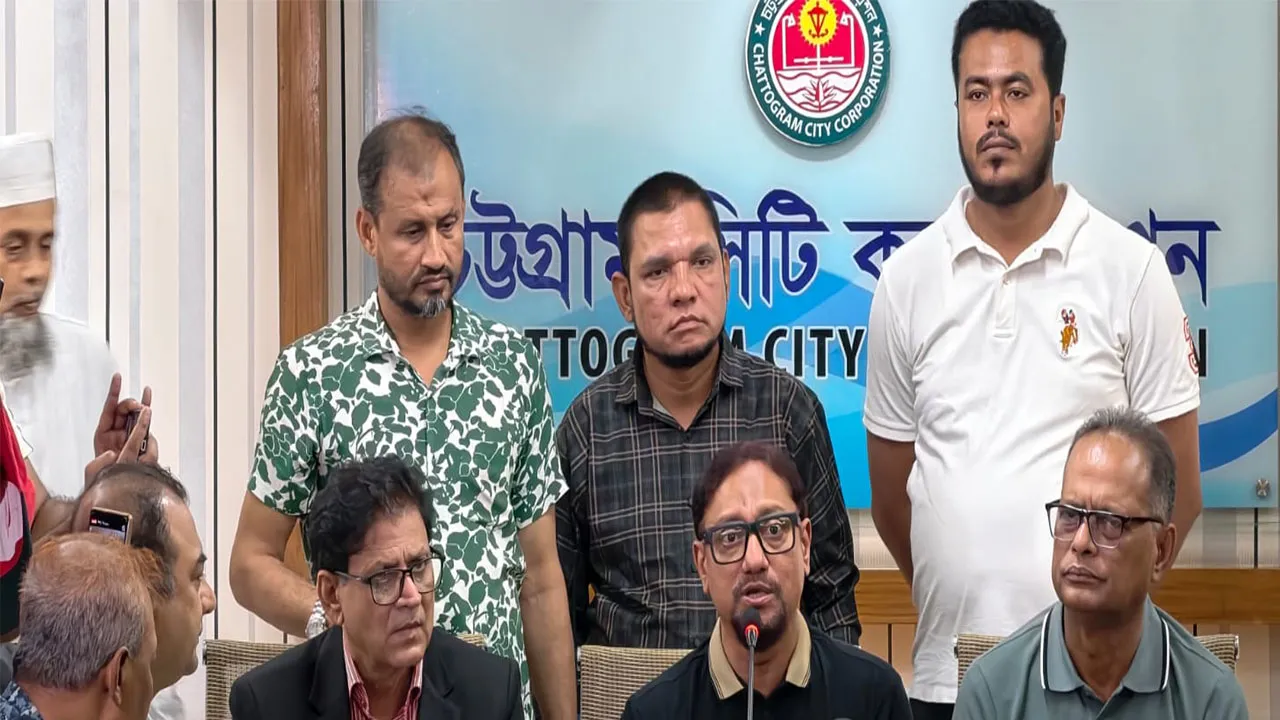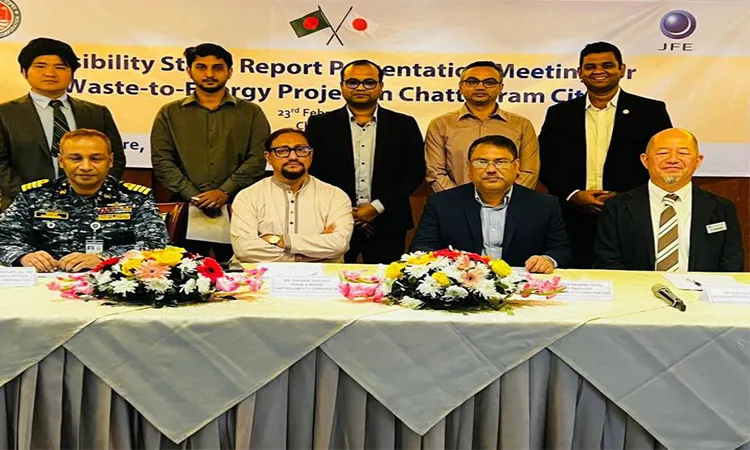
Chattogram City Corporation (CCC) Mayor Dr. Shahadat Hossain announced an initiative to generate 12 megawatts (MW) of electricity by converting city waste into energy using eco-friendly technology. The Mayor shared this during a feasibility study presentation for the ‘Waste to Power Generation Project’ at a local hotel on Monday.
"To build Chittagong as a clean and healthy city, modern, integrated waste management is essential," the Mayor stated. "We view waste as an asset, not a burden. With Japan’s assistance, we are determined to turn this feasibility study into a reality."
According to the study, the proposed plant will process 1,000 tons of waste daily. Operating for 330 days a year over a 25-year lifespan, the facility will have a gross capacity of 15.1 MW and a net capacity of 12.6 MW for the national grid.
The project follows a G2G (Government-to-Government) cooperation model, making it eligible for subsidies from Japan’s Joint Crediting Mechanism (JCM).
Reduce landfill waste by 70% to 90%. Extend the lifespan of existing landfills. Significantly lower environmental pollution.
The study evaluated three business models, noting that the G2G and private sector benefit models could achieve an internal rate of return (P-IRR) exceeding 11%.
Mayor Dr. Shahadat emphasized that a Bangladesh-Japan Public-Private Partnership (PPP) would ensure international technical standards and financial stability. "This isn't just about power; it's about sustainable urban management and combating climate change through renewable energy," he added.
The meeting included representatives from Japan’s Ministry of Environment and JFE Engineering, alongside senior CCC officials, including Chief Cleanliness Officer Captain Ikhtiar Uddin Ahmed Chowdhury and Chief Engineer Anisur Rahman.
The Mayor concluded by noting that with swift land acquisition and policy coordination, Chittagong is poised to become the country’s first successful waste-to-energy model.