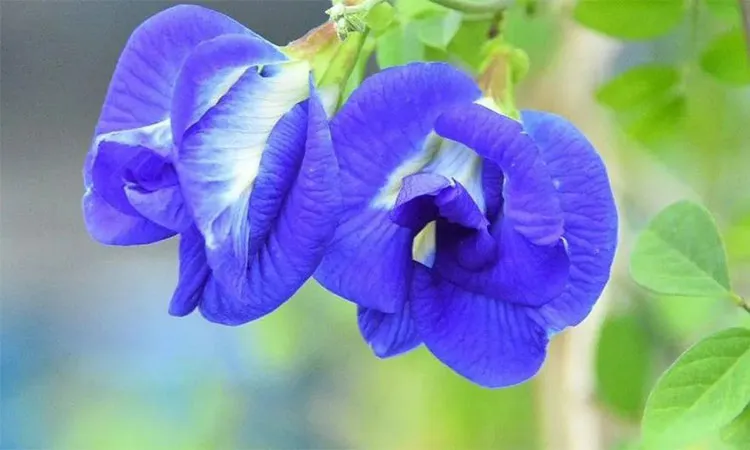
The Flower known locally as Aparajita/ Neel Aparajita, the butterfly pea is a vine famous for its striking blue flowers. Traditionally used as an ornamental plant in Bangladesh, India and subcontinent region, it is now becoming a lucrative cash crop. Two years ago, Brahma began selling the dried flowers for use in herbal teas and natural dyes.
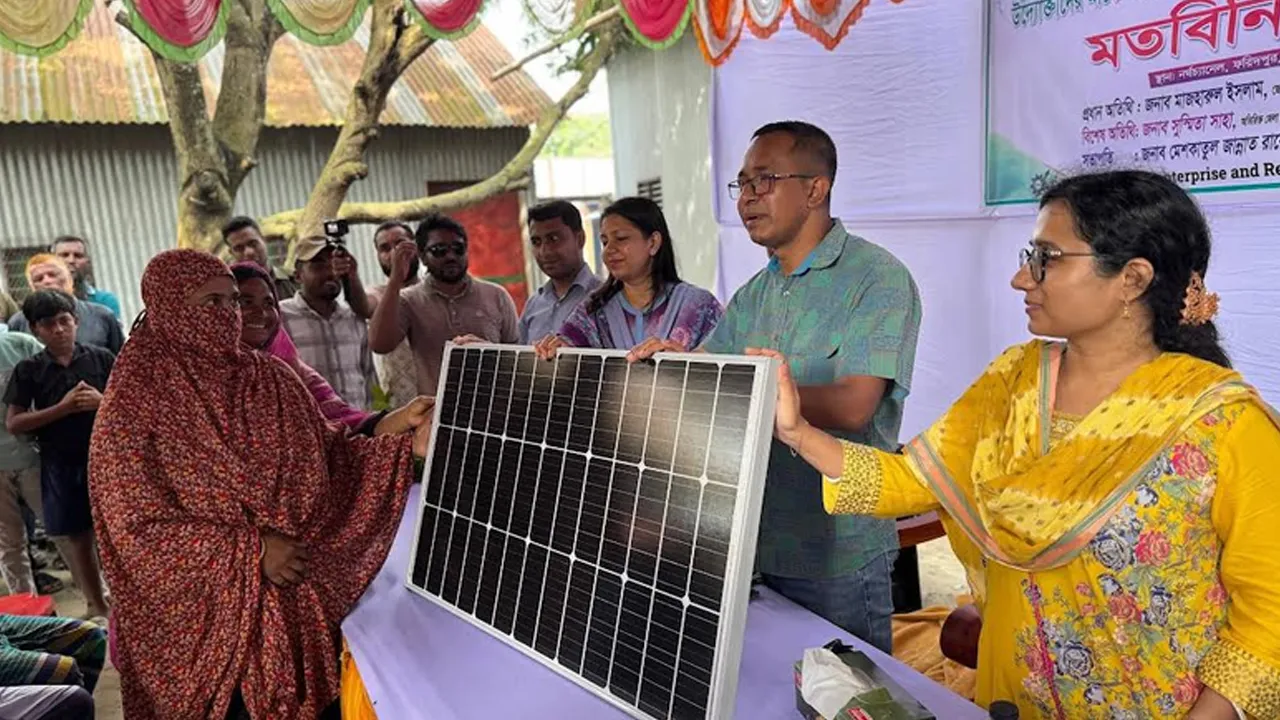
"The results surprised me," Brahma says. "Earning my first $50 was a shock. It made me realize I could control my own future." She has since invested in solar dryers to process flowers faster and maintain the high quality required by international buyers.

Rising Global Demand While Thailand and Indonesia have long dominated the market, Indian entrepreneurs are now tapping into a surge in global demand for natural colorants. This shift is driven by stricter regulations on synthetic food dyes in the U.S. and Europe.
In 2021, the U.S. Food and Drug Administration (FDA) approved butterfly pea flower as a food additive. However, the European Food Safety Authority (EFSA) raised safety concerns in 2022. Currently, both the EU and the UK classify it as a "novel food," meaning it requires further safety assessments before widespread commercial use.

Despite these regulatory hurdles, Indian exporters see massive potential. "The crop is still seen as a backyard plant rather than a commodity," says Varshika Reddy, founder of THS Impex. Her company works with farmer clusters in Uttar Pradesh, India to establish formal contracts and improve irrigation and harvest techniques.

The Science of "Magic" Nitesh Singh, founder of the brand Blue Tea, was drawn to the flower's unique chemistry. When infused in hot water, the liquid turns bright blue; adding lemon (acid) shifts the color to purple.
"It has been here for thousands of years, but nobody knew it could be a healthy food product," Singh says. Since 2018, he has grown his network from five farmers to 600.
The process is delicate. Women are primarily employed for harvesting because they can pluck the blooms without damaging the vines. Drying is equally critical; if the temperature is too high, the flower loses its color and nutritional properties.

Health Benefits and Research While the flower is prized for its aesthetics, scientific interest is growing. V. Supriya, an assistant professor at the Sri Ramachandra Institute in Chennai, recently conducted a small human trial. The study found that pre-diabetic individuals who consumed butterfly pea tea showed better blood sugar control than those who did not.
"Most available research previously involved mice," Supriya notes. "With evidence now emerging from human trials, its popularity is set to rise."
Changing Lives For farmers like Pushpal Biswas in West Bengal, the blue flower offered a lifeline when traditional crops like rice and vegetables failed to turn a profit.
"It is an easy crop to grow," Biswas says. "With scientific methods, my production jumped from 50kg to 80kg. I used the income to lease more land. This isn't just farming anymore—it’s a community and a business family."