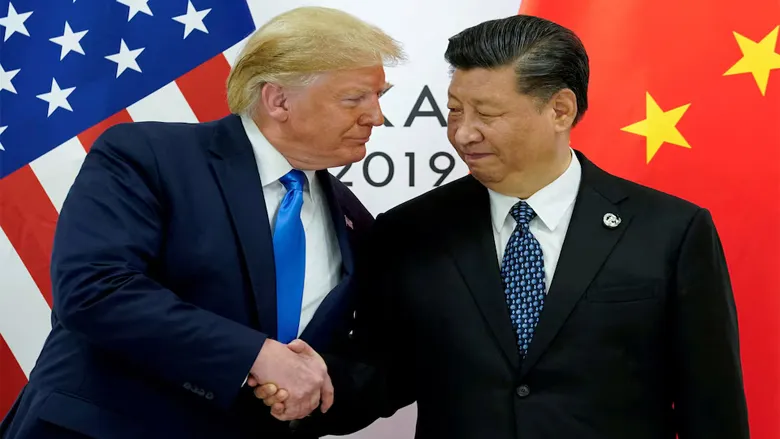
U.S. President Donald Trump arrives in China this week for a pivotal summit with President Xi Jinping. While he once predicted trade tariffs would force concessions, Trump now faces a more complex landscape shaped by unfavorable court rulings and an increasingly unpopular war with Iran.
The visit, scheduled for May 14–15, marks the first state meeting between the two leaders since they paused a damaging trade war last October. Analysts suggest Trump is now seeking a clear foreign policy victory to ensure global stability ahead of the November midterm elections.
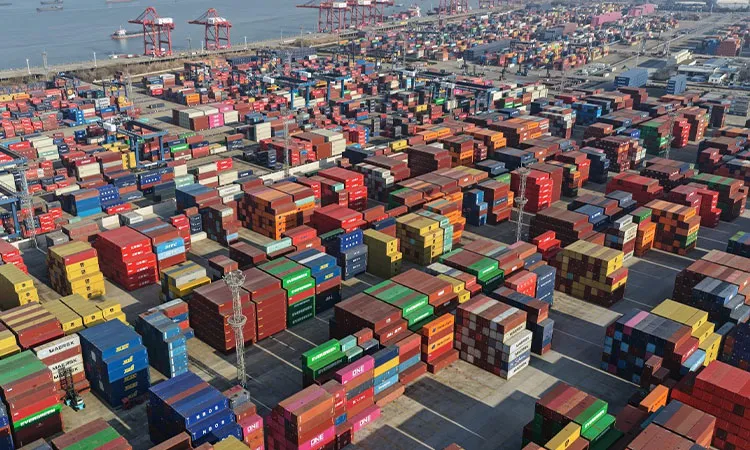
A prominent business delegation will accompany the President, including Tesla's Elon Musk and outgoing Apple CEO Tim Cook. Notably, Nvidia CEO Jensen Huang is absent from the list, making major breakthroughs in the semiconductor sector less likely. Anticipated deliverables are expected to be modest, focusing on specific deals for American soybeans, beef, and Boeing aircraft.
A primary goal for the administration is enlisting China’s help to resolve the conflict in Iran. With more than 60% of Americans disapproving of the war, Trump hopes Beijing—a major consumer of Iranian oil—can leverage its influence to bring Tehran to the negotiating table. However, Beijing is expected to demand concessions in return, likely regarding Taiwan or the rollback of U.S. technology export controls.
In a notable policy shift, the Trump administration is considering an executive order that would require AI companies to submit new models for White House review—a move that mirrors China’s stringent regulatory approach. The U.S. Department of Commerce’s Center for AI Standards and Innovation (CAISI) has already begun national security reviews with major players like Google DeepMind and Microsoft.
As the leaders prepare to dine at the Great Hall of the People, the main objective for Washington may simply be maintaining the current trade truce and keeping relations on an even keel.