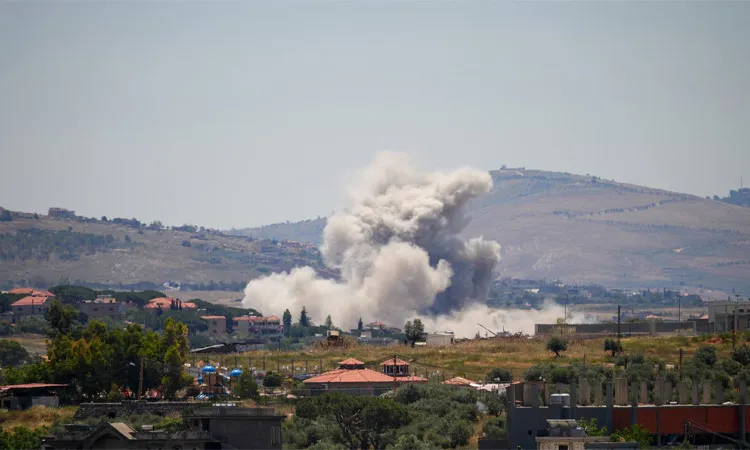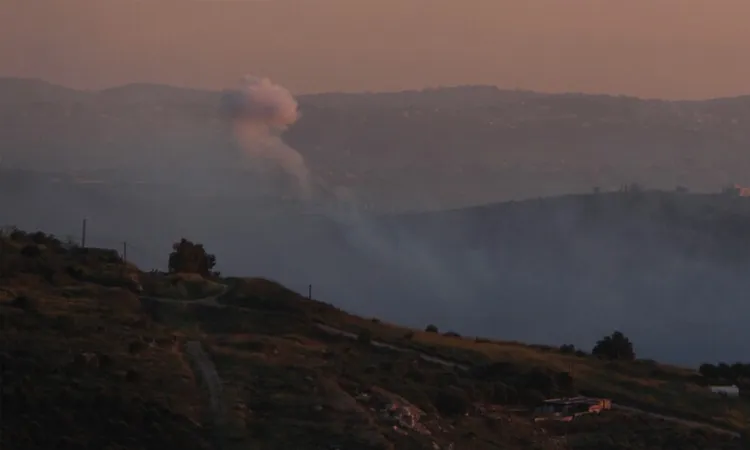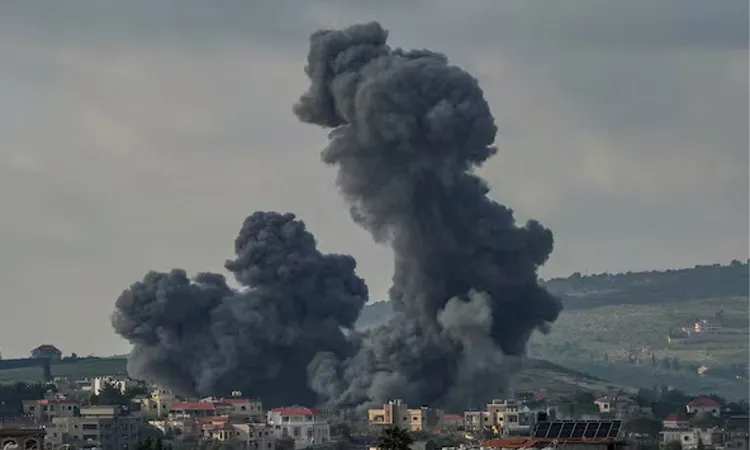
At least 13 people, including four women and a child, were killed in southern Lebanon on Friday as Israeli air strikes continued despite a US-brokered ceasefire extension.
The deadliest strike occurred in Habboush, Nabatieh district, where eight people—including two women and a child lost their lives. The Israel Defense Forces (IDF) had issued an evacuation order for the area shortly before the attack, instructing residents to move 1,000 meters away. However, residents noted that similar strikes a day earlier were carried out without any warning.
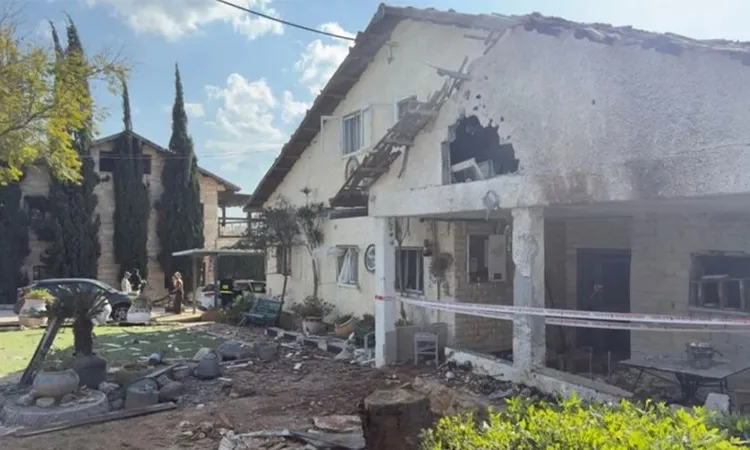
In other attacks, four people were killed in Zrarieh (Sidon district) and one in Ain Baal (Tyre district). The Lebanese Civil Defense described a "massive set of air strikes" that flattened entire residential neighborhoods, schools, and even a convent.
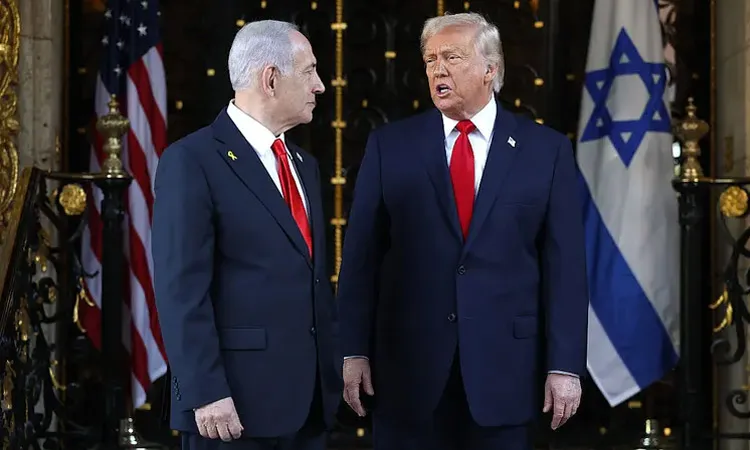
The current ceasefire, brokered on April 17 and recently extended by US President Donald Trump until May 17, remains extremely fragile. While air raids on Beirut have largely stopped, southern Lebanon remains a battlefield.
Hezbollah reported ongoing clashes on Saturday, claiming to have targeted Israeli Merkava tanks and infantry inside Lebanese territory. Meanwhile, the IDF confirmed it conducted roughly 50 strikes over the last 24 hours, targeting what it termed Hezbollah "operational headquarters."
Since this latest round of hostilities began on March 2—triggered by the killing of Iran’s Supreme Leader—the toll in Lebanon has been staggering:
Killed: 2,618 people (including 103 healthcare workers).
Wounded: 8,094 people.
Israeli Casualties: 17 soldiers and two civilians.
The conflict persists despite unprecedented high-level talks between Israel and Lebanon in Washington the first of their kind since 1993. On April 30, the US Embassy in Beirut proposed a direct meeting between Lebanese President Joseph Aoun and Israeli Prime Minister Benjamin Netanyahu to secure "concrete guarantees on full sovereignty." As of Saturday, neither leader has formally responded to the proposal.