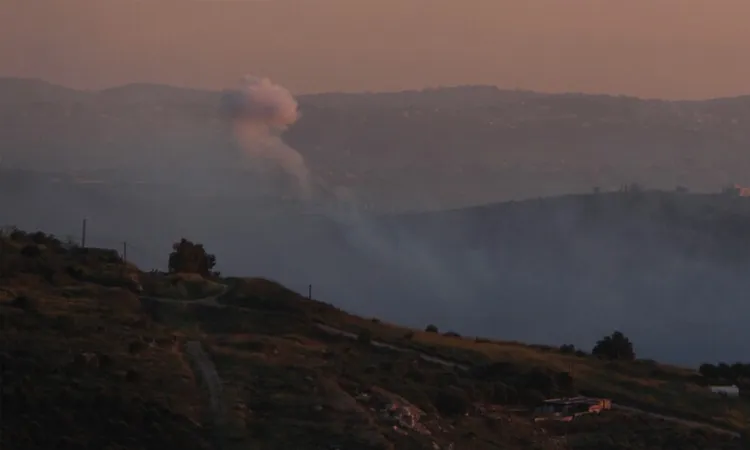
Hezbollah has claimed responsibility for at least 24 attacks on Israeli military targets in southern Lebanon within 24 hours.
In a statement issued Monday (May 11), the armed group said the attacks targeted Israeli military positions, Merkava tanks, D-9 bulldozers, military equipment and newly established command centers in border areas including Khayam, Deir Sirian, Tayyar Harfa, Baydad, Rashaf and Naqora.
Hezbollah said the attacks were carried out in response to what it described as Israeli violations of the ceasefire agreement and attacks on villages and civilians in southern Lebanon.
According to the group, drones, rockets, artillery shells and guided missiles were used in the operations. Hezbollah claimed several attacks caused “confirmed hits,” though these claims could not be independently verified.
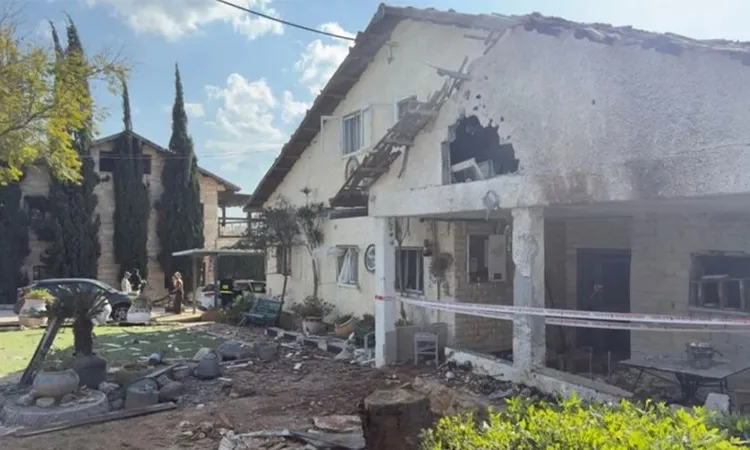
Meanwhile, Israeli newspaper Yedioth Ahronoth reported that air raid sirens sounded twice within a few hours late Sunday night in Israel’s Upper Galilee region following reports of drone infiltration from Lebanon.
The Israeli military said its air force intercepted a “suspicious aircraft” entering from Lebanon and described the incident as another violation of the ceasefire agreement by Hezbollah.
Although a ceasefire was expected to take effect on April 17 and was later extended until mid-May, tensions along the Lebanon-Israel border remain high. Israeli forces have continued airstrikes inside Lebanon, while cross-border exchanges of fire with Hezbollah continue regularly.
According to Lebanese authorities, since March 2, Israeli military operations in Lebanon have killed 2,846 people and injured 8,693 others. More than one million people have reportedly been displaced.
Israel also maintains what it calls a security or “buffer zone” inside Lebanese territory.
Amid growing tensions, the United States is expected to host peace talks between Lebanon and Israel in Washington, DC on May 14 and 15. The international community hopes the talks could help reduce violence and revive efforts toward a longer-term ceasefire.
However, analysts warn that ongoing cross-border attacks may further complicate diplomatic efforts.