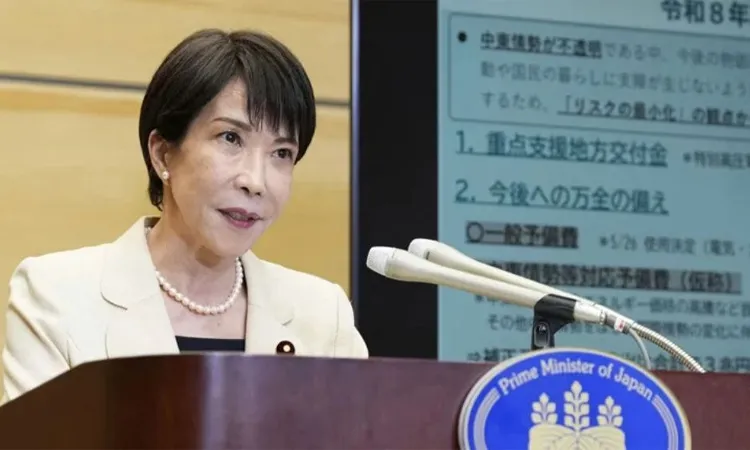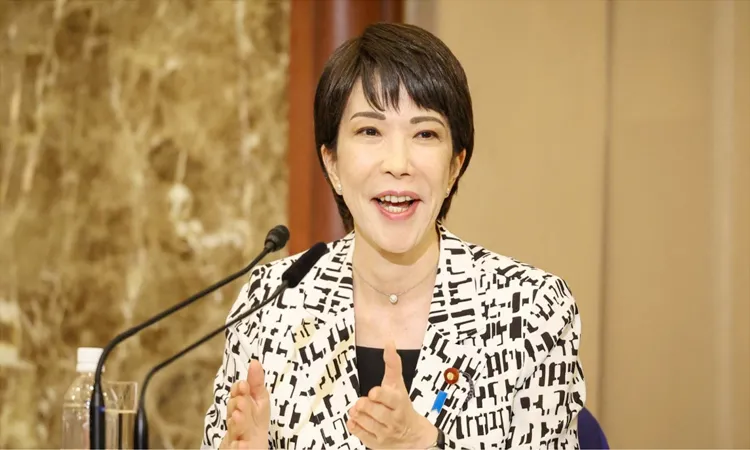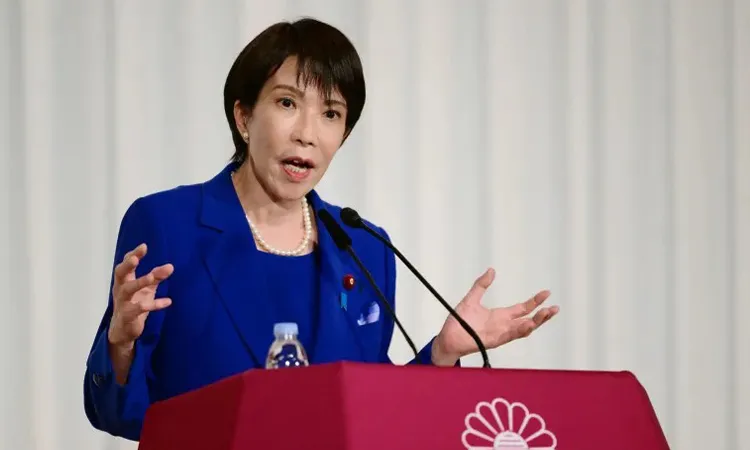
Prime Minister Sanae Takaichi’s Liberal Democratic Party (LDP) secured a historic super-majority in Sunday’s lower house election, according to preliminary results from national broadcaster NHK.
Capitalizing on her popularity as Japan’s first female leader, Takaichi’s LDP alone secured 316 seats, far exceeding the 261-seat "absolute majority" threshold in the 465-member chamber. This performance shatters the previous party record of 300 seats set in 1986.
With its new coalition partner, the Japan Innovation Party (JIP), the ruling bloc now commands a two-thirds majority. This "super-majority" allows Takaichi to override the upper house, where the LDP lacks a majority, and provides a clear mandate for her right-wing agenda of military expansion and proactive fiscal spending.
"I will firmly push forward my policy goals while seeking support from the opposition," a smiling Takaichi told NHK. Her victory effectively silences internal party critics who questioned her decision to call a snap election just three months into her tenure.
In contrast, the opposition faced a crushing defeat. The newly formed Centrist Reform Alliance (CRA)—comprised of the liberal CDP and former LDP partner Komeito—is projected to lose half of its pre-election seats. Analysts suggest a splintered opposition failed to provide a viable alternative to Takaichi’s "work, work, work" messaging, which resonated particularly well with younger voters.
Takaichi now has a clear path to implement controversial reforms, including revising pacifist defense policies and stricter immigration controls, with no national elections scheduled until 2028.