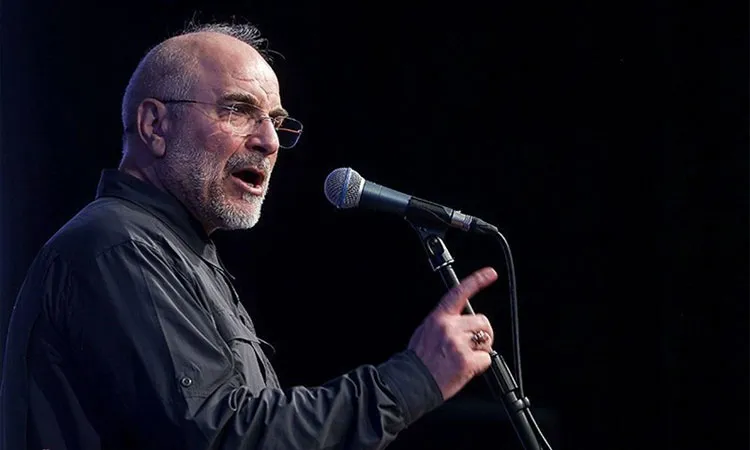
Iran’s Supreme Leader, Ayatollah Ali Khamenei, has issued a stern warning that any military strike by the United States would ignite a "regional war."
This rhetoric comes as the U.S. continues to bolster its military presence in the Middle East, notably deploying the USS Abraham Lincoln aircraft carrier strike group to the Arabian Sea.

Despite the heightened military posturing, diplomatic backchannels appear active. U.S. President Donald Trump indicated that "serious discussions" are underway, while Iran’s top security official, Ali Larijani, noted progress on a potential framework for negotiations. However, the path to peace remains obstructed by two non-negotiable U.S. demands: the total cessation of Iran's nuclear program and an end to the lethal crackdown on protesters.
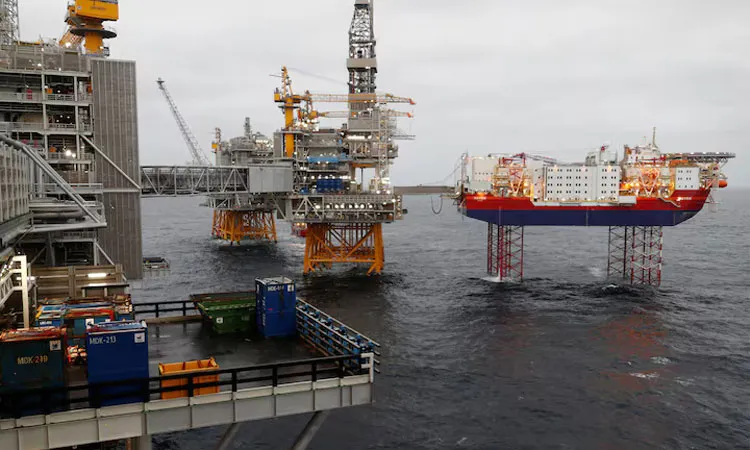
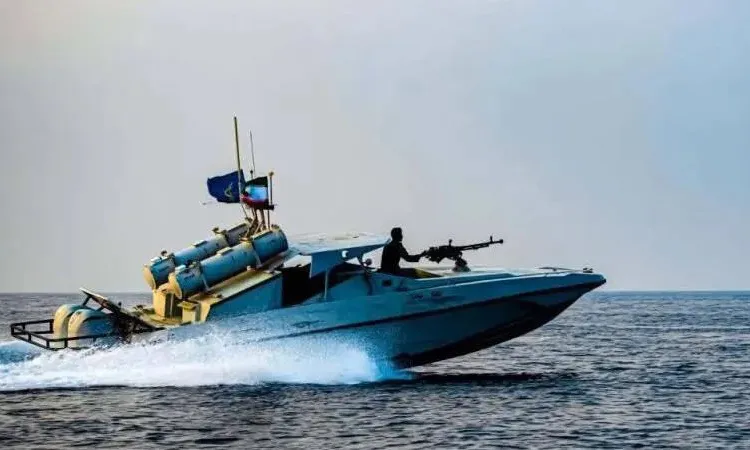
The Strait of Hormuz, a critical maritime artery through which 20% of the world's oil flows, remains a flashpoint. While rumors suggested the Islamic Revolutionary Guard Corps (IRGC) would conduct live-fire exercises, Iranian officials later clarified no such plans were currently in place. Iran has historically threatened to shutter the waterway if attacked, a move that would Cripple global energy markets.
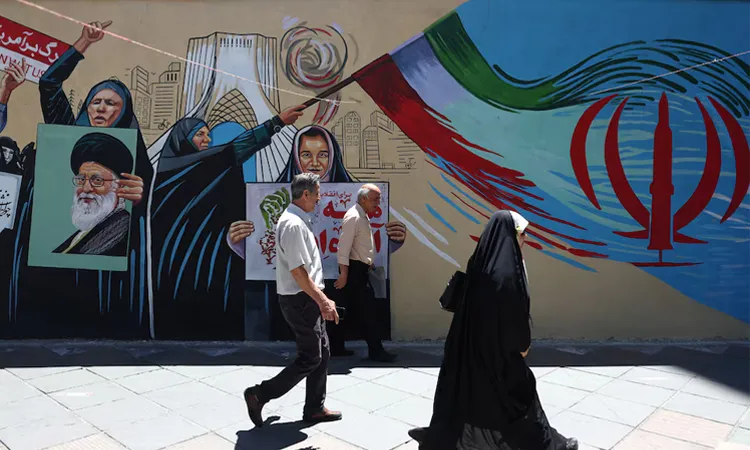
Domestically, Iran is reeling from significant internal instability: Rights groups report staggering death tolls from recent anti-government protests, with estimates ranging from 6,300 to over 25,000 fatalities. Khamenei has dismissed the movement as a "suppressed coup."
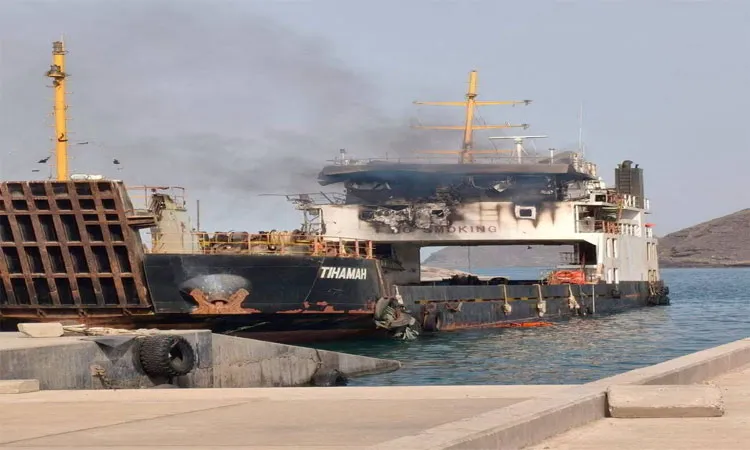
Two separate explosions in Bandar Abbas and Ahvaz resulted in at least five deaths. While local authorities attributed these incidents to gas leaks, they have heightened national anxiety following social media rumors of targeted attacks against IRGC leadership.