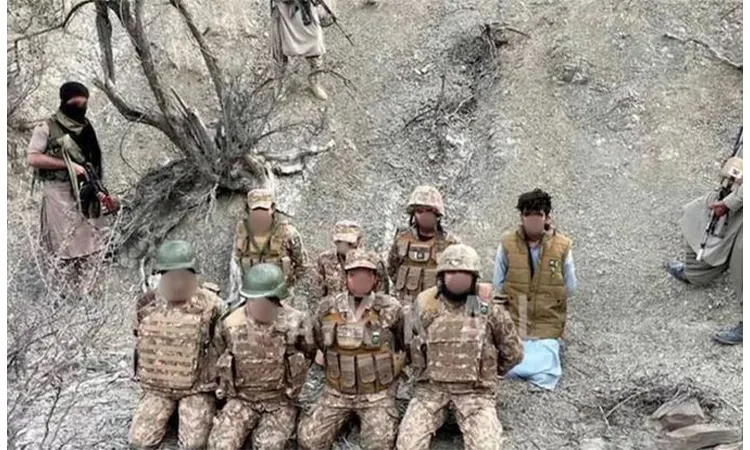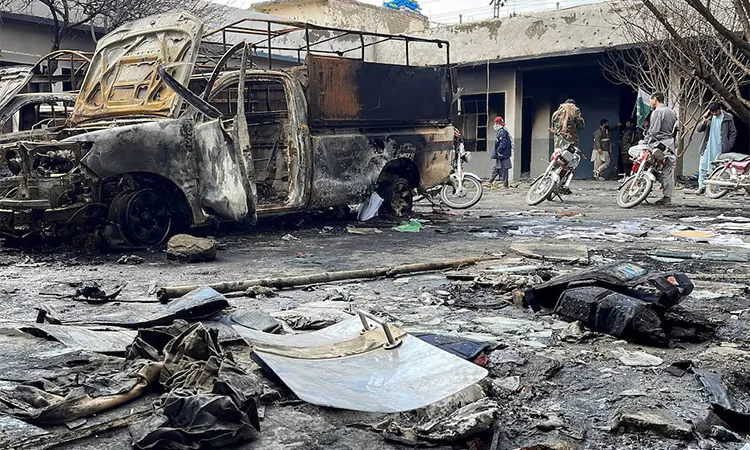
Pakistan is currently navigating one of its most severe security crises in years following a wave of coordinated insurgent attacks across Balochistan. Over a span of 40 hours, Pakistani security forces conducted a massive counter-operation, resulting in the deaths of 145 militants.
The violence began with a series of synchronized assaults by the Baloch Liberation Army (BLA), a banned separatist group. Under an operation they termed "Herof" (Black Storm), militants targeted security installations, infrastructure, and civilians in Quetta, Gwadar, Mastung, and Noshki.
Balochistan Chief Minister Sarfraz Bugti confirmed that the militant attacks claimed the lives of 31 civilians and 17 law enforcement personnel.
Attackers reportedly dressed in civilian clothing to infiltrate public spaces, including hospitals, schools, and markets, indiscriminately firing on workers and using civilians as human shields.
The Pakistani military reported killing 41 militants on Friday and an additional 92 on Saturday as they repelled attempts to seize control of strategic installations.
Pakistan’s military has alleged the attacks were "Indian-sponsored." However, India’s Foreign Ministry has categorically rejected these claims, urging Islamabad to focus on its internal provincial grievances instead.
The United States, which designates the BLA as a foreign terrorist organization, has condemned the violence and expressed solidarity with Pakistan.
This flare-up underscores the long-standing volatility in Balochistan, where ethnic separatists continue to demand greater autonomy and a larger share of the province's vast natural resources.