The Danish Defense Ministry has confirmed that its troops are authorized to "shoot first and ask questions later" if any foreign power, including the United States, attempts to forcibly seize Greenland.
The directive, originally established in 1952 during the Cold War, mandates that Danish soldiers “immediately take up the fight” against invading forces. Under this rule, troops are required to act without waiting for formal orders or a declaration of war, even if their direct commanders are unaware that hostilities have begun.
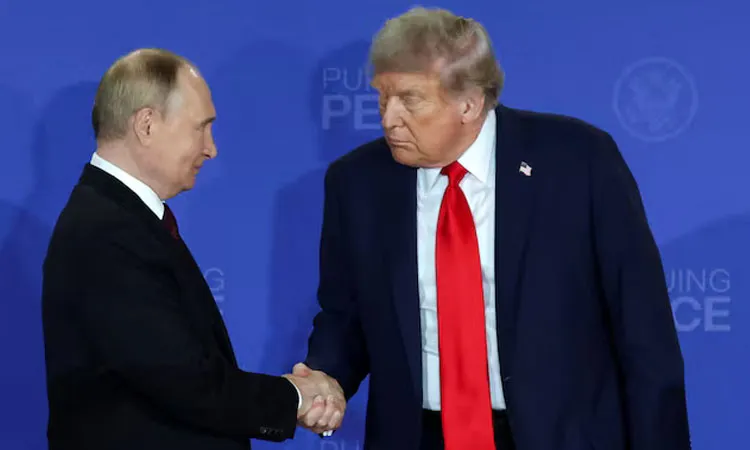
Danish officials clarified the standing order to the national newspaper Berlingske following a series of renewed threats from U.S. President Donald Trump.4 The President has repeatedly asserted that the U.S. "needs" Greenland for national security, citing a surge in Russian and Chinese maritime activity in the Arctic.
The "shoot first" policy was born out of Denmark’s experience during World War II. In 1940, Nazi Germany launched a surprise invasion of Denmark, quickly seizing Copenhagen and other major cities after communication lines failed and defending forces hesitated. To prevent a repeat of such a collapse, the 1952 decree was implemented to ensure an instantaneous military response to any violation of sovereignty.
Tensions between the two NATO allies have spiked following recent U.S. military actions in Venezuela and the capture of Nicolas Maduro. President Trump has since signaled that similar "options" remain on the table for Greenland.
“We need Greenland from a national security standpoint,” Trump told reporters recently. “It’s very strategic right now! Greenland is covered with Russian and Chinese ships.” When asked by the New York Times if he prioritized the NATO alliance over acquiring the island, Trump responded, “It may be a choice.”
Danish Prime Minister Mette Frederiksen has warned that any U.S. military move against Greenland would effectively end the NATO alliance. Despite the rhetoric, U.S. Secretary of State Marco Rubio is expected to meet with Danish officials next week to discuss diplomatic solutions.