Secretary of State Marco Rubio moved to clarify the U.S. position on Venezuela Sunday, stating that Washington will rely on an "oil quarantine" rather than direct governance to influence the nation following the ouster of Nicolás Maduro.
The comments appear to walk back President Donald Trump’s Saturday assertion that the U.S. would be "running" the oil-rich country during a transition period. Rubio’s nuanced explanation aims to ease bipartisan concerns over a potentially long-term foreign intervention.
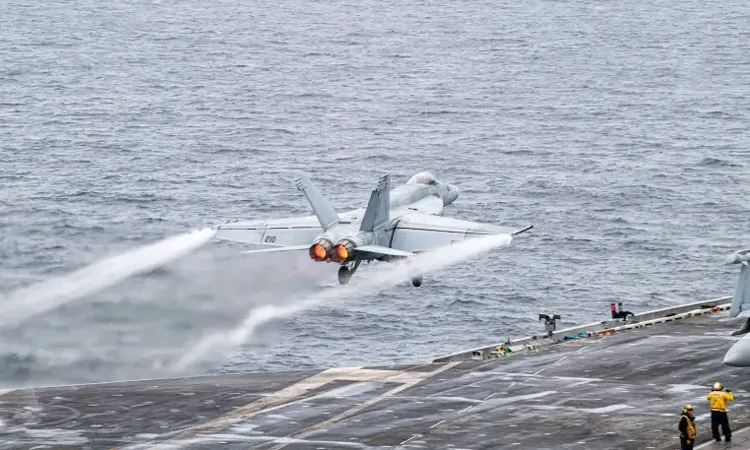
Leverage Through Oil Appearing on CBS’s Face the Nation, Rubio explained that the U.S. will continue to enforce the maritime blockade of sanctioned tankers that was in place before Maduro's removal.
“That is the sort of control the president is pointing to,” Rubio said. “The quarantine remains in place... that’s a tremendous amount of leverage to see changes that lead to a better future for the people of Venezuela and stop drug trafficking.”
Addressing Skepticism President Trump’s vow to "run" Venezuela sparked immediate unease among Democrats and "America First" Republicans wary of repeat nation-building efforts like those in Iraq or Afghanistan. Rubio dismissed these comparisons, arguing the "Western Hemisphere" mission is fundamentally different from Middle Eastern interventions.
While not ruling out a military presence, Rubio stated that current U.S. forces are sufficient to intercept drug shipments and sanctioned tankers. For now, the U.S. intends to monitor the actions of Maduro’s former subordinates who remain in Caracas.

Maduro in U.S. Custody The diplomatic maneuvering follows a dramatic late-night operation that extracted Maduro and his wife, Cilia Flores, from a military base in Caracas. The couple arrived in New York on Saturday to face federal narco-terrorism charges.
A video released by the White House showed a smiling Maduro being escorted into a DEA office in Manhattan. He is scheduled for his first appearance in federal court on Monday.
A Quiet Capital In Caracas, the streets remained eerily silent Sunday. Armed civilians and military units guarded the presidential palace while Vice President Delcy Rodriguez—named interim president by the nation's high court—demanded Maduro’s release.
Local residents described a city in shock. "People are still shaken," said David Leal, a 77-year-old Caracas resident, as businesses remained shuttered across the capital.