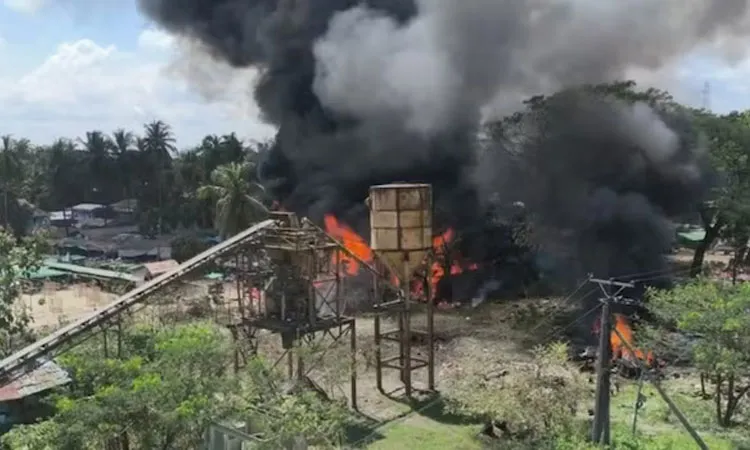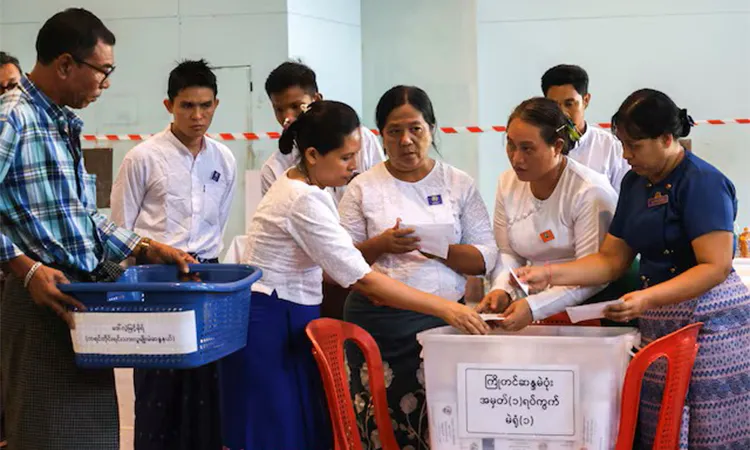
Myanmar is set to hold the first phase of its general elections this Sunday, December 28, 2025, marking the first vote since the 2021 military coup. The polls take place against a backdrop of a brutal civil war, widespread international condemnation, and a humanitarian crisis that has reached catastrophic levels following a massive earthquake in March 2025.
The ruling junta, now operating as the State Security and Peace Commission (SSPC), has scheduled the election in three phases (Dec 28, Jan 11, and Jan 25) due to its inability to maintain nationwide security.
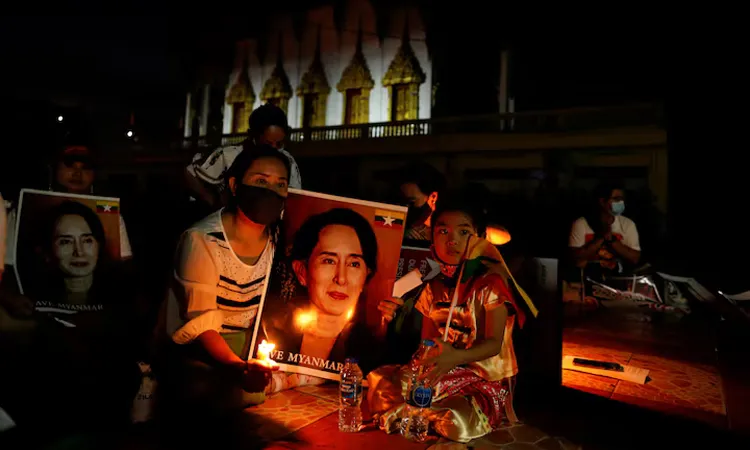
Voting is excluded in at least 56 townships and 3,000 village tracts where rebel forces hold territory. The National League for Democracy (NLD), which won a landslide in 2020, has been dissolved along with dozens of other parties. The military-backed Union Solidarity and Development Party (USDP) faces no viable opposition.
New "election protection" laws threaten critics of the vote with three years in prison or even the death penalty.The United Nations has identified Myanmar as one of the world's most underfunded and severe humanitarian crisis.
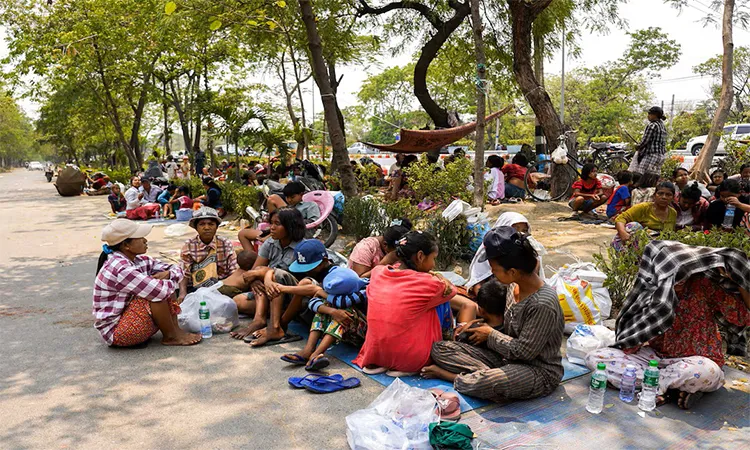
Over 16 million people are acutely food insecure. Projections suggest 12 million will face acute hunger in 2026. Approximately 3.6 million people have been forced from their homes by conflict and natural disasters. Acute malnutrition among children has risen by 26% this year, with one in three children under five suffering from stunted growth. The UN reports that only 12% to 26% of required humanitarian funding has been received, with U.S. aid cuts further crippling relief efforts.
While the World Bank projects a modest 3% GDP rebound driven by reconstruction efforts, the economy remains "surviving, not thriving." Inflation is expected to persist above 20%, and chronic blackouts have forced a nationwide shift toward solar energy. Internationally, while Western nations dismiss the election as a "sham," the junta has found support from Russia through energy investment deals and China, which views the vote as a path toward stability.