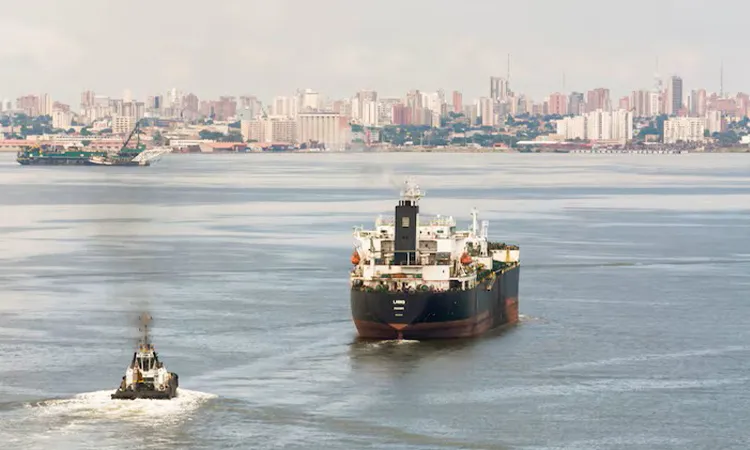
U.S. President Donald Trump ordered a "total and complete blockade" of all sanctioned oil tankers entering and leaving Venezuela, escalating pressure on the government of Nicolas Maduro by targeting its main source of income. This move comes as the administration has designated the Venezuelan regime a "FOREIGN TERRORIST ORGANIZATION."
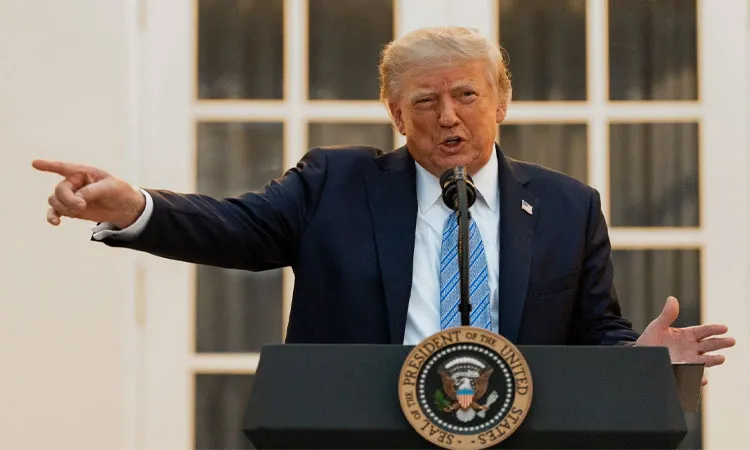
President Trump announced the order on Truth Social, citing reasons including the "theft of our Assets," "Terrorism, Drug Smuggling, and Human Trafficking," following the designation of the Venezuelan regime as a Foreign Terrorist Organization.
It remains unclear how the U.S. will enforce the "blockade" against sanctioned vessels. The administration has already deployed thousands of troops and nearly a dozen warships, including an aircraft carrier, to the region, and last week used the Coast Guard to interdict a sanctioned vessel.
Venezuela's government immediately rejected Trump's action as a "grotesque threat." Oil prices rose by more than 1% in Asian trading immediately following the announcement, with Brent crude futures LCOc1 and U.S. West Texas Intermediate crude CLc1 both climbing.
Market participants anticipate a potential reduction in Venezuelan exports, noting that a long-term embargo could push prices higher due to the loss of nearly a million barrels per day of supply.
The blockade order has raised serious legal questions on both domestic and international fronts. International law scholar Elena Chachko noted that blockades are traditionally treated as "instruments of war," requiring strict conditions. U.S. Representative Joaquin Castro (D-Texas) called the blockade "unquestionably an act of war" that was not authorized by Congress.
Experts suggest that a fully implemented blockade, if not replaced by increased OPEC capacity, could push oil prices higher (by $5-$8 per barrel) and lead to skyrocketing inflation and massive migration from Venezuela.
An effective embargo was already in place after the recent U.S. seizure of a sanctioned tanker, causing loaded vessels to remain anchored in Venezuelan waters and leading to a sharp drop in crude exports.