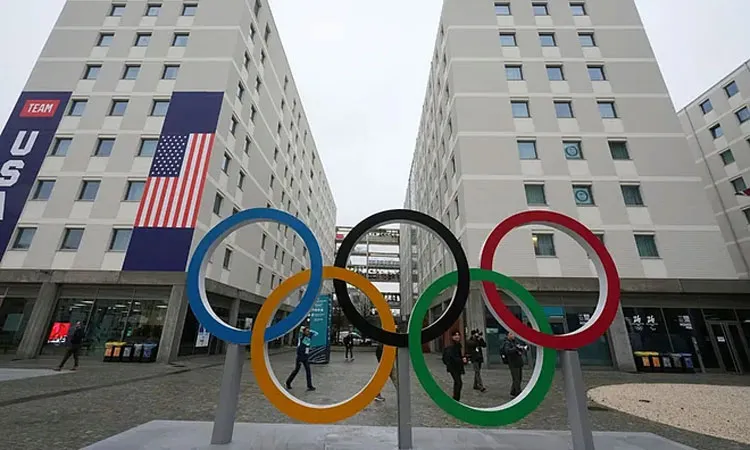
At the 2026 Milan-Cortina Winter Olympics, organizers underestimated demand for condoms in the Olympic Village, leading to a shortage just days after the Games began.
Free condoms provided to athletes were exhausted within three days. While more supplies are on the way, officials have not said when the next shipment will arrive, leaving athletes waiting longer than expected.
The International Olympic Committee and local organizers initially stocked about 10,000 condoms for roughly 2,900 athletes living in the village. By the third day of competition, none remained.

The shortfall highlights how even carefully planned global events can face unexpected challenges, particularly around everyday human behavior.
Providing free condoms at the Olympics dates back to the 1988 Seoul Summer Olympics, when organizers introduced the practice to raise awareness of HIV/AIDS and other sexually transmitted infections. Since then, it has become a standard public health measure at Olympic Villages.
Supplies typically include male condoms, female condoms, and dental dams, aimed at promoting safe sex among athletes who live together for weeks in close quarters.
Summer Games usually require far larger stockpiles. At the 2024 Paris Summer Olympics, organizers distributed more than 200,000 male condoms, along with tens of thousands of female condoms and dental dams, to serve over 10,700 athletes.
By comparison, the Winter Games in Italy host fewer than 3,000 athletes and offered just 10,000 condoms. That works out to about three condoms per athlete—an estimate that quickly proved too low given the social nature of the Olympic Village.
The Olympic Village has long been known as a hub of social interaction. Young, elite athletes from around the world live, eat, and train together, often with long periods of downtime. Friendships and romantic relationships are common.
Many athletes also arrived weeks before the opening ceremony, further reducing supplies before competition officially began.
Athletes have reacted with humor and frustration, and the shortage has drawn attention on social media. Organizers stress that condoms are provided as a public health measure, not a novelty, and are meant to encourage safe and consensual intimacy.
Despite the hiccup, the long-standing tradition remains in place. The experience in Milan-Cortina is likely to shape planning for future Winter Games, underscoring that athlete health includes both physical safety and personal well-being.
Even at the highest level of sport, organizers are being reminded that human nature—and the need for protection—cannot be overlooked.