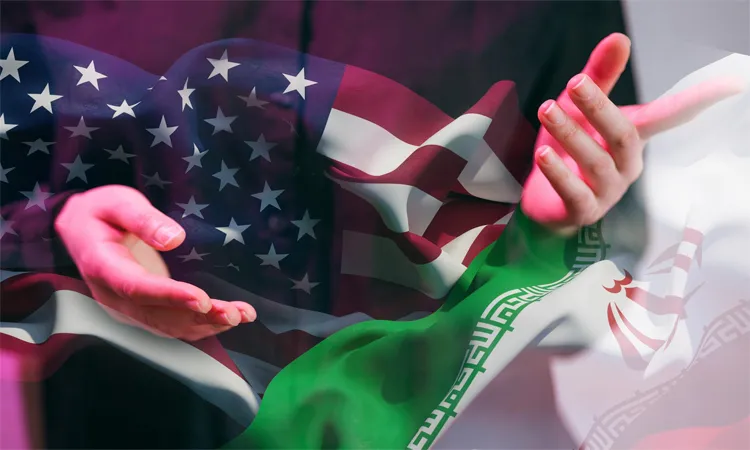
Iran has set five "trust-building" preconditions for a second round of negotiations with the United States, rejecting any concessions on its nuclear program.
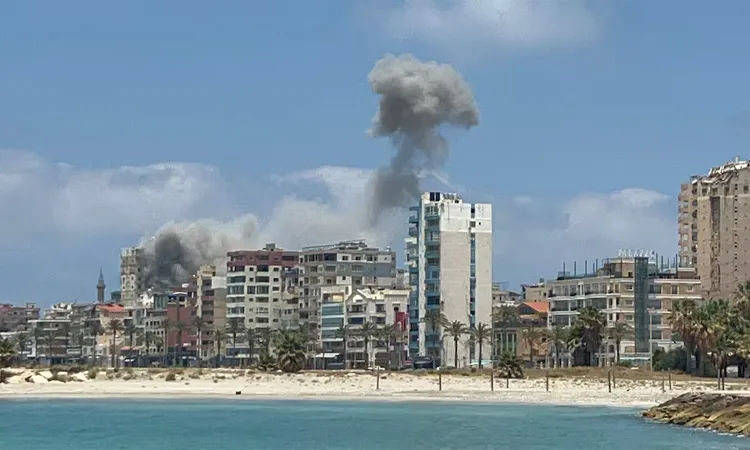
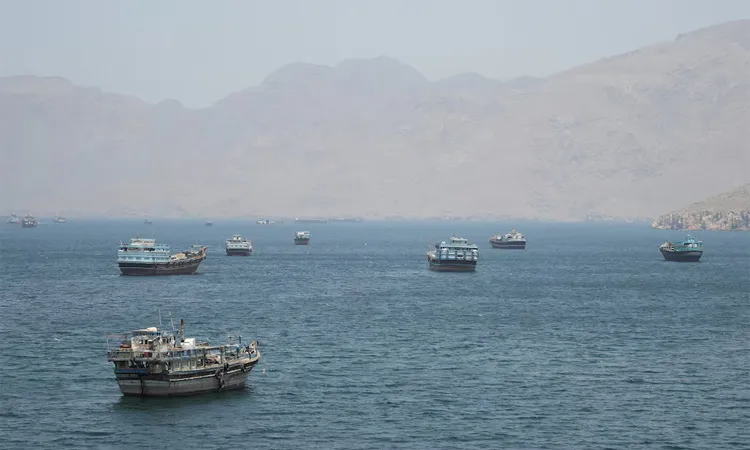
According to the semi-official Fars News Agency, the demands include an end to hostilities on all fronts—specifically in Lebanon—the lifting of sanctions, the release of frozen assets, compensation for war damages, and the recognition of Iranian sovereignty over the Strait of Hormuz.
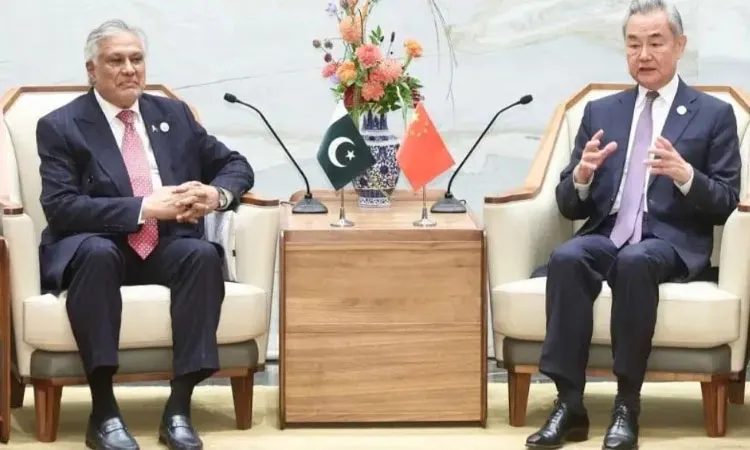
Tehran conveyed these terms to Washington via Pakistani mediators in response to a 14-point US proposal. Iranian officials informed Pakistan that the ongoing US naval blockade in the Arabian Sea has deepened Tehran's distrust.
Nuclear Stance Hardens
Mohammad Eslami, head of the Atomic Energy Organization of Iran, clarified that uranium enrichment will not be on the negotiating table. Meanwhile, parliamentary spokesperson Ebrahim Rezaei warned that Iran might increase enrichment to 90%—weapons-grade—if attacked again.
On Monday, US President Donald Trump described the current ceasefire as "extremely fragile," noting that Iran’s response failed to commit to preventing nuclear weapon acquisition, which remains Washington's primary goal.
International Naval Response
As tensions simmer, the UK announced the deployment of Typhoon fighter jets and the HMS Dragon destroyer to join a multinational escort mission in the Strait of Hormuz. This follows a proposal by French President Emmanuel Macron to secure the vital waterway, which Iran had previously blocked, disrupting global energy markets.
The two nations have been exchanging drafts through Pakistan since a ceasefire ended a 40-day conflict in April. Iran has also filed a claim with the Iran-US Claims Tribunal, accusing Washington of aggression during the "12-Day War" earlier this year.