An immediate agreement to end the war between the United States and Iran remains highly unlikely, senior Pakistani government sources warned Tuesday. The primary obstacle is the continued Israeli military offensive in southern Lebanon, which continues to complicate an already fragile regional landscape.
This assessment contrasts with US President Donald Trump’s recent assertion that a "powerful deal" with Tehran could be reached within two to three days.
"The situation is complex and has entered a sensitive phase considering non-stop ceasefire violations by Israel," a source close to the mediation process told Anadolu. "Under the current circumstances, the immediate signing of a deal is highly unlikely."

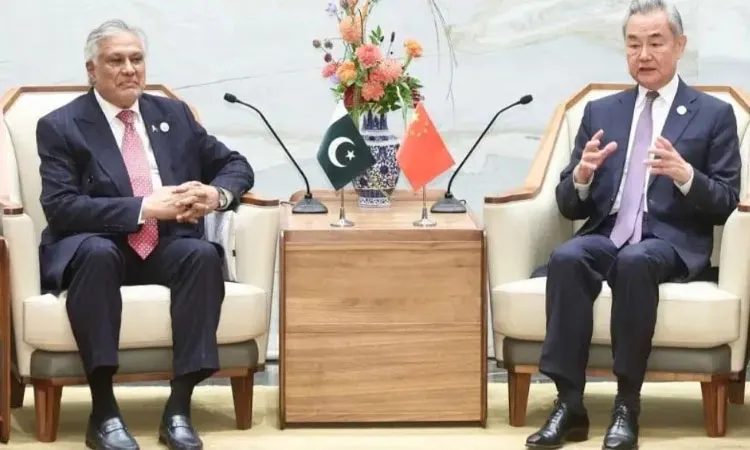
Islamabad remains central to the peace process, having previously brokered a 14-day ceasefire between Washington and Tehran in April. Pakistan alongside regional partners like Qatar is currently urging the White House to apply maximum pressure on Israel to halt its Lebanese campaign.
Pakistani Interior Minister Mohsin Naqvi recently visited Tehran his fourth trip since February delivering a special message from Army Chief Field Marshal Asim Munir to Iran's Supreme Leader Mojtaba Khamenei.
Tehran has conveyed firmly through Islamabad that direct talks with the US will not resume until Israeli operations in Lebanon cease.
Despite the ongoing strikes, Pakistani sources report a "positive response" from the White House regarding Lebanon, raising hopes for a breakthrough in the coming days.
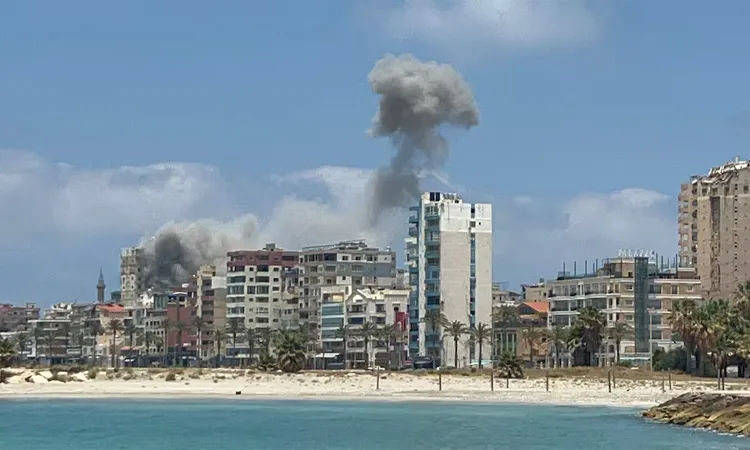
Israel has refused to link its campaign in Lebanon to the wider US-Iranian peace process. On Tuesday, Israeli airstrikes hit the historic southern Lebanese city of Tyre, killing at least eight people in what marks the deadliest raid on the city since the fighting escalated in March.
According to Lebanon's health ministry, the casualties resulted from a single strike on the city's eastern edge, following earlier Israeli evacuation orders. Residents fled as civil defense teams moved the elderly into temporary shelters.
While Israel and Iran have paused direct strikes on one another following an appeal from President Trump, regional tensions remain at a boiling point. Israeli Military Chief Eyal Zamir warned that despite the pause, Israel’s recent actions were "in preparation for a much more significant and heavy blow" should hostilities resume.
In northern Israel, the military reported one casualty during a firefight near the Lebanese border on Tuesday.
In the Gulf, the fragile US-Iran truce is largely holding. Early Tuesday morning, a US Navy surface drone successfully rescued two crew members after their AH-64 Apache helicopter went down near the Iranian-controlled Strait of Hormuz.
US Central Command confirmed the pilots were picked up within two hours and are in stable condition. President Trump, speaking from New York, noted an investigation is underway to determine if the crash was caused by enemy fire or mechanical failure.
The broader conflict continues to impact the global economy: Shipping Blockades: Tehran maintains a blockade on most shipping through the Strait of Hormuz, historically a vital artery for global crude oil and liquefied natural gas. In retaliation, Washington has blockaded Iranian ports.
Energy Markets: Global oil prices fell on Tuesday following the pause in direct US-Israel-Iran clashes. US Energy Secretary Chris Wright noted that while ship traffic through Hormuz is increasing, restoring normal energy flows will take months after a comprehensive peace deal is finalized.
As the US midterm elections approach in November, Washington remains eager for a resolution. However, the path forward is steep. The US demands assurances that Iran will not develop nuclear weapons, while Tehran insists on the lifting of international sanctions, the release of frozen assets and formal recognition of its control over the Strait of Hormuz.