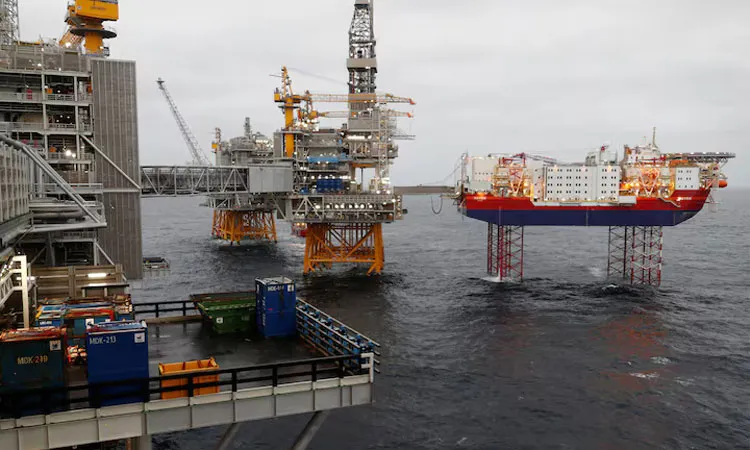
Global oil prices have plummeted to a four-month low following positive progress in diplomatic talks between the United States and Iran. Consequently, Brent crude futures fell 1.89% to $71.57 per barrel, while US West Texas Intermediate (WTI) crude dropped 1.32% to $68.58. Both benchmarks have reached their lowest trading levels since March.
This significant price drop is largely driven by cooling supply anxieties. US President Donald Trump and Vice President JD Vance confirmed that negotiations with Iran in Qatar are progressing positively. These technical-level discussions in Doha aim to secure a lasting ceasefire and ensure the safe flow of commercial shipping through the critical Strait of Hormuz. Analysts note that with more oil moving safely through the Strait, global supply could surge once the geopolitical situation is completely resolved.
In the United States, crude inventories dropped by 3.8 million barrels to their lowest level since September 2018, spurred by rising domestic refinery demand ahead of the July 4th holiday. Meanwhile, the gradual reopening of the Strait of Hormuz has eased international fears of long-term supply disruptions.
As a result, Brent crude experienced a nearly $45 drop in the second quarter of this year, marking its largest quarterly decline since the 2008 global financial crisis. Similarly, US crude recorded its steepest quarterly fall since the 2020 pandemic. Reacting to these developments, market analysts have reduced their 2026 oil price forecasts for the first time since the conflict began