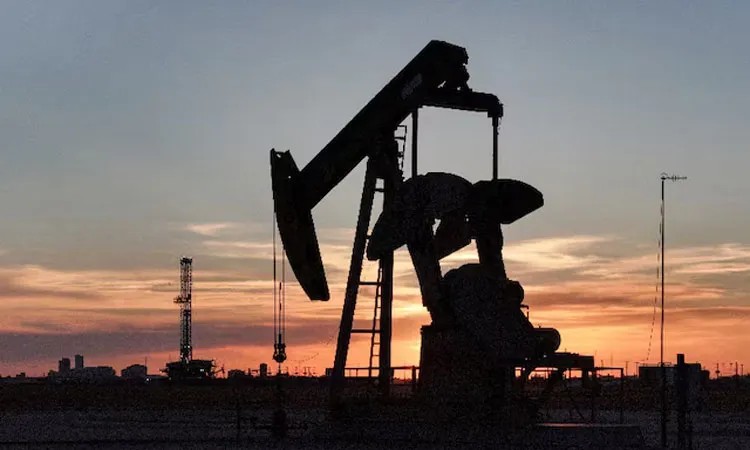
Global oil prices fell slightly on Friday though they remain on track for a roughly 20% monthly gain. Despite escalating tensions from the US-Iran conflict increased oil shipments through crucial maritime routes have temporarily eased immediate supply concerns.
Brent crude futures dropped by $1.03 to $88 a barrel while US West Texas Intermediate (WTI) fell $1.50 to $82.09.
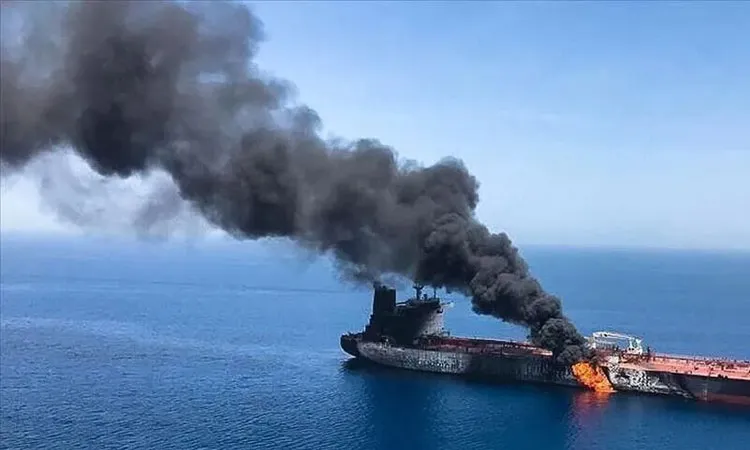
According to commodity analysts, the price dip is driven by steady tanker flows through the Strait of Hormuz. This vital chokepoint, which handles a fifth of global crude and liquefied natural gas shipments, has faced severe geopolitical pressure since the US-Israel war on Iran began on February 28.
In response to regional instability Saudi Arabia is leading a 14-nation maritime defence coalition—including Pakistan Egypt and Turkey—to secure the Red Sea the Gulf of Aden and the Bab El-Mandeb Strait. This heightened security effort follows a recent naval blockade declared by Iran-aligned Houthi militants in Yemen against Saudi Arabian oil exports.
While physical oil flows have not stopped the security risks have significantly driven up freight and insurance costs. Market analysts note that these expenses embed a geopolitical risk premium into the market; while prices have eased from recent highs, the broader trend indicates that energy costs will remain elevated.