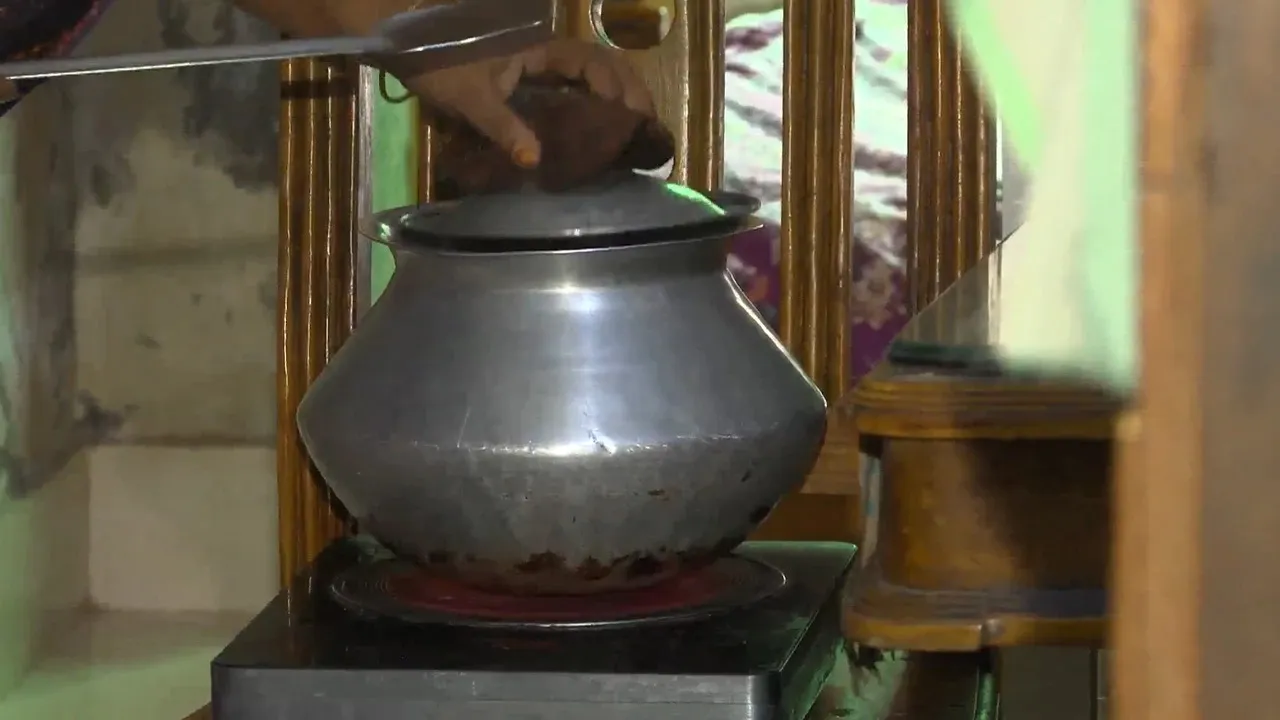
With gas supplies failing to meet household needs and LPG prices fluctuating, an increasing number of families in Dhaka are turning to electric stoves for cooking, but the shift is bringing higher electricity bills and concerns over load shedding.
Many households connected to Titas Gas lines say they have little or no gas supply and have been relying on LPG for several years. However, sudden increases in LPG prices have prompted some families to switch to electric or induction cookers. They now face another problem as increased electricity consumption is adding to household bills, while power outages are also becoming a concern.
The situation has created an additional burden for many middle-class families, who are struggling to find a reliable and affordable cooking fuel.
One homemaker said she switched to an electric stove after LPG prices rose unexpectedly. However, she said power outages and higher electricity bills have now made cooking difficult.
Another homemaker said frequent power cuts were making it difficult to prepare meals and meet the needs of her children.
The government has not provided new residential gas connections since 2013. Titas Gas says it has around 2.8 million legitimate customers, while households without reliable gas supplies have had to depend on LPG, electric stoves and other alternatives.
There is no precise nationwide data on the number of electric or induction cookers currently in use. However, several companies acknowledge that demand for such appliances is increasing.
Energy researchers have warned that a large-scale shift to electric cooking could place additional pressure on the country's power grid. According to Shafiqul Alam, chief energy analyst at the Institute for Energy Economics and Financial Analysis (IEEFA), one million new electric cook stoves could create an additional electricity demand of around 2,000 megawatts.
“If millions of people start using electric cook stoves, the resulting demand will increase pressure on the electricity grid,” Alam said, stressing the need for a comprehensive roadmap for household cooking fuels.
Gholam Moazzem, a researcher and economist focusing on renewable energy, said Bangladesh needs to expand renewable power generation while reducing dependence on imported gas by increasing domestic gas exploration.
He said the Gas Development Fund intended for exploration had also been used for LNG imports during the previous Awami League government.
Moazzem called for stronger efforts to explore gas in the Bay of Bengal and greater involvement by state-owned Bangladesh Petroleum Exploration and Production Company (BAPEX) in onshore exploration. He also urged authorities not to back away from BAPEX's target of drilling 48 wells.
Experts have also recommended clear policies for both large- and small-scale renewable energy investments, simpler net-metering procedures and government incentives to encourage households to install solar panels on rooftops.
As households increasingly turn to electricity to compensate for unreliable gas supplies, the growing use of electric cooking appliances is emerging as another challenge for Bangladesh's already strained energy system.