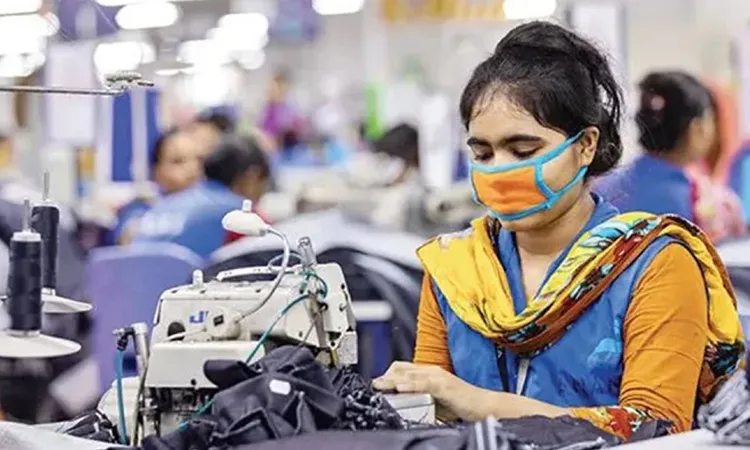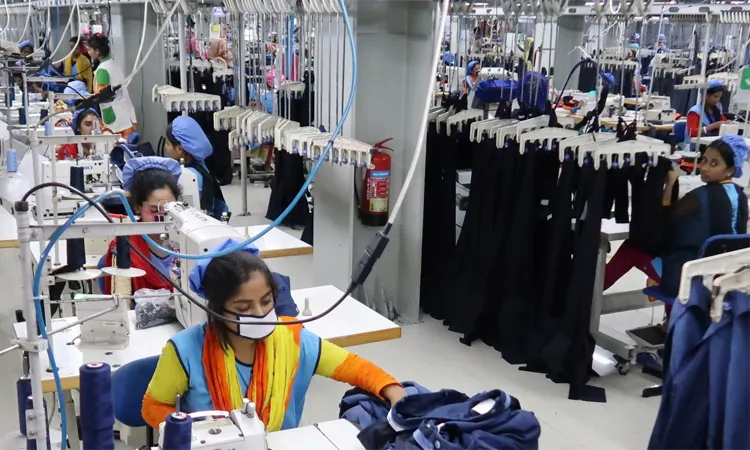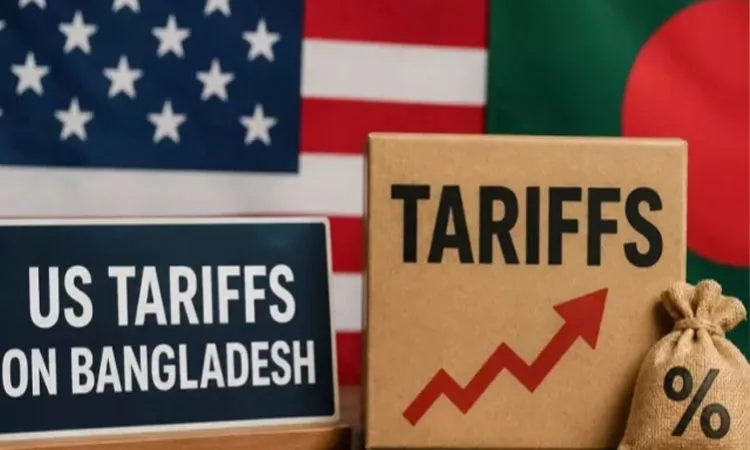
Bangladesh’s ready-made garment (RMG) sector has secured a 2.5 percentage point tariff advantage over major global competitors under the newly finalized U.S. Section 301 framework took effect on July 24.
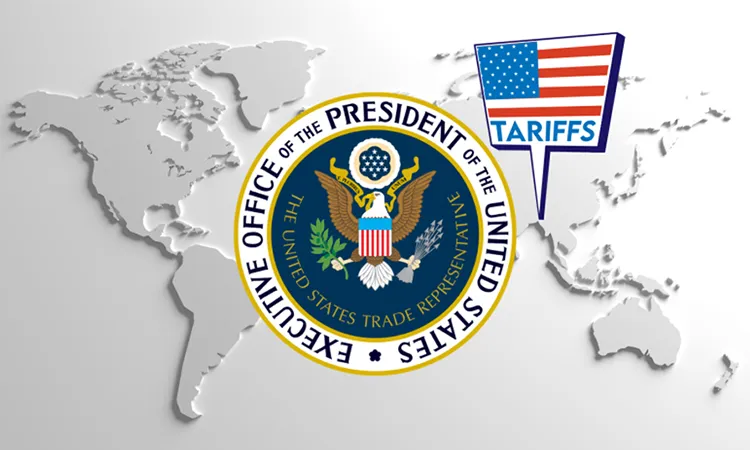
According to an analysis by Mohiuddin Rubel Founder and CEO of Bangladesh Apparel Voice, the Office of the United States Trade Representative (USTR) placed Bangladesh in the lower 10 percent tariff tier alongside 16 other economies. In contrast, key competitors including China, Vietnam and Thailand were assigned a higher 12.5 percent rate.
Bangladesh qualified for the favorable tier following its February 2026 Agreement on Reciprocal Trade (ART) with the United States, which included commitments to enforce an import ban on forced-labor goods. The new structure permanently replaces the temporary Section 122 tariffs that followed a U.S. Supreme Court ruling earlier this year.
Furthermore, the new framework directs the USTR to establish two three-year Tariff Rate Quotas (TRQs) for general textiles and U.S. cotton. Once activated, these TRQs will allow specified volumes of Bangladeshi apparel to enter the U.S. market duty-free. Bangladesh is one of only four economies alongside Cambodia, Indonesia and Malaysia eligible for this benefit, while Vietnam, China and India remain excluded.
Industry experts note that while the tariff differential provides a clear edge and local manufacturers must continue improving productivity, diversifying product lines and investing in innovation to fully capitalize on the opportunity amidst persistent global market competition.