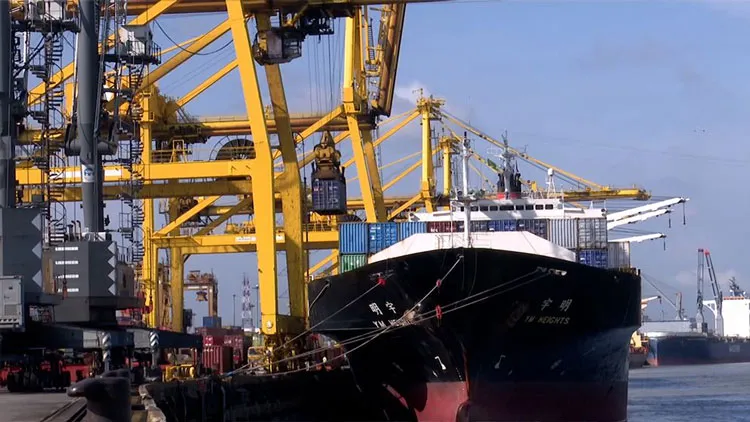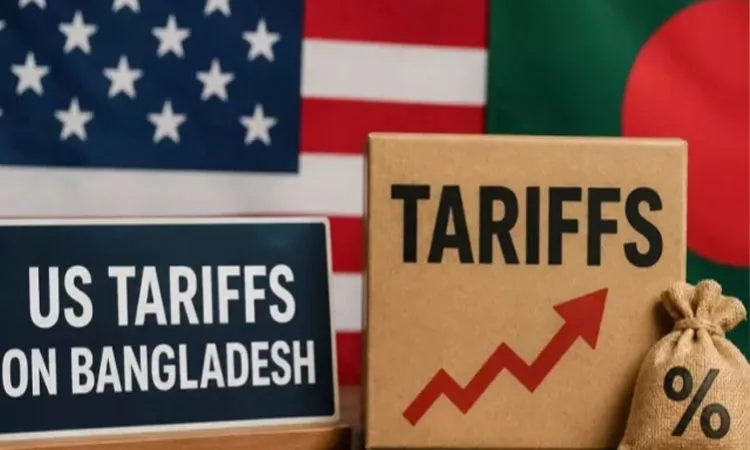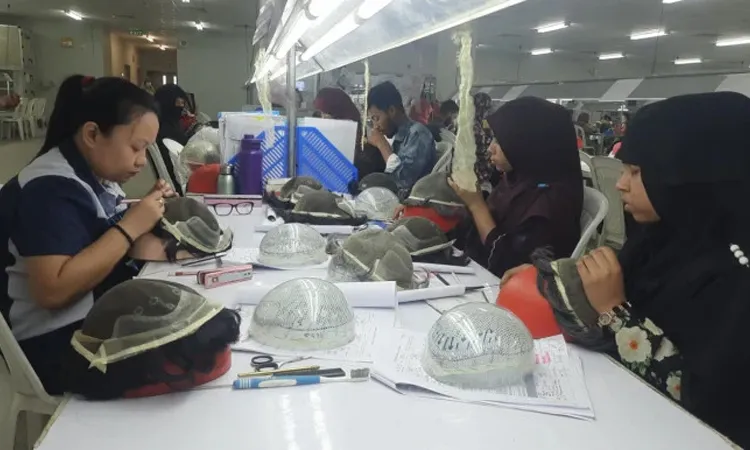
The United States has introduced new tariffs under Section 301 of the Trade Act on 86 countries following an investigation by the US Trade Representative (USTR) into forced labor. Despite the new trade barriers Bangladesh has secured a significant advantage by qualifying for the lowest possible tariff tier.
Effective July 24, the revised US tariffs range from 10% to 12.5%, replacing the previous temporary global tariff. Bangladesh is one of only 17 countries granted the minimum 10% rate, which applies to all its US-bound exports in addition to existing Most-Favored-Nation (MFN) tariffs.
Crucially, major apparel manufacturing competitors—such as China Vietnam and Thailand—will be subjected to the maximum 12.5% rate. This 2.5% differential strengthens Bangladesh's comparative advantage and protects its standing in the highly competitive US apparel market.
Additionally the USTR is exploring a three-year Tariff-Rate Quota (TRQ) for Bangladesh Cambodia Indonesia and Malaysia. If approved this quota would waive the Section 301 tariffs on goods manufactured using US cotton and textile inputs providing a further boost to Bangladesh’s export economy.
Following the announcement the Bangladesh government reaffirmed its dedication to upholding international labor standards pledging continued cooperation with global partners to ensure the sustainable and compliant growth of its vital export sectors.