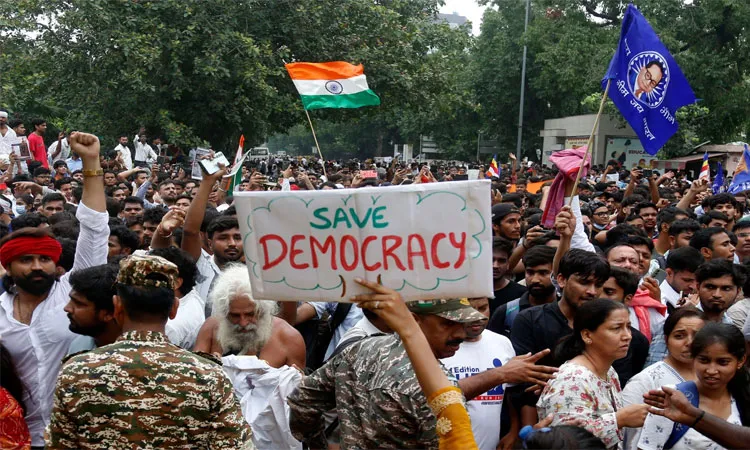
Indian youth ended weeks of intense protests on Saturday after Education Minister Dharmendra Pradhan resigned, marking a major victory for the demonstrators. Prime Minister Narendra Modi’s government conceded to all demands with resolving the most severe political crisis of his third term.
The youth-led "Cockroach Janata Party" (CJP) initiated the nationwide movement in late June following a massive national medical exam paper leak. The scandal forced a re-examination for two million students highlighting broader frustrations over job scarcity, a flawed education system and leading to over a dozen tragic student suicides.

Following talks with CJP leaders, Health Minister J.P. Nadda confirmed the government had accepted the protesters' core demands. These include comprehensively overhauling the examination system with dropping all police cases against demonstrators and financially compensating the families of the students who took their own lives.
Pradhan, a senior Bharatiya Janata Party (BJP) figure announced his resignation on X. He stated his decision aimed to prevent "anti-national forces" from exploiting the unrest and to respect the legitimate expectations of the country's youth. His departure is a rare concession for Modi’s administration traditionally resists bowing to public pressure but comes ahead of crucial state elections next year.
The protests, widely described as India's "Gen Z political awakening" saw clashes earlier in the week when police used tear gas to disperse thousands marching on parliament. Opposition parties backed the youth and completely stalling parliamentary proceedings for the week.
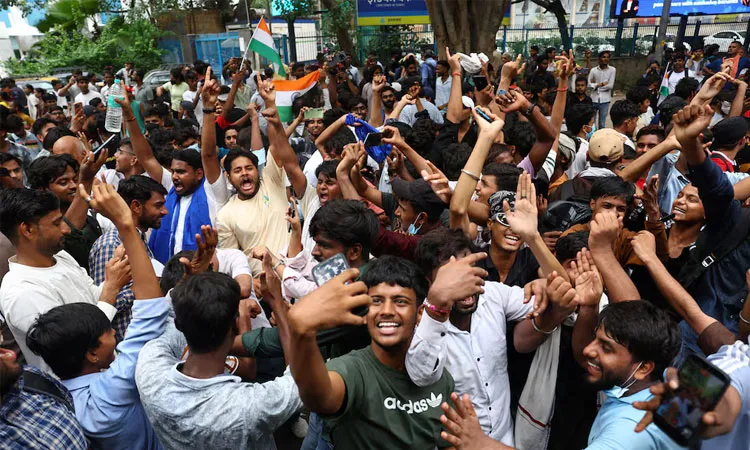
With their demands met CJP spokespersons officially called off the agitation. Celebrations erupted at Delhi’s Jantar Mantar protest site with thousands dancing, distributing sweets and chanting patriotic slogans.
"We have done it" CJP founder Abhijeet Dipke told the cheering crowd also urging supporters to return home peacefully. Following the resolution by federal authorities restored mobile internet access and reopened metro stations around central Delhi.
Participants hailed the outcome as a historic triumph for public accountability. "This is a win for the constitution" said protester Tluanga Ralte. "We are not a lazy generation."