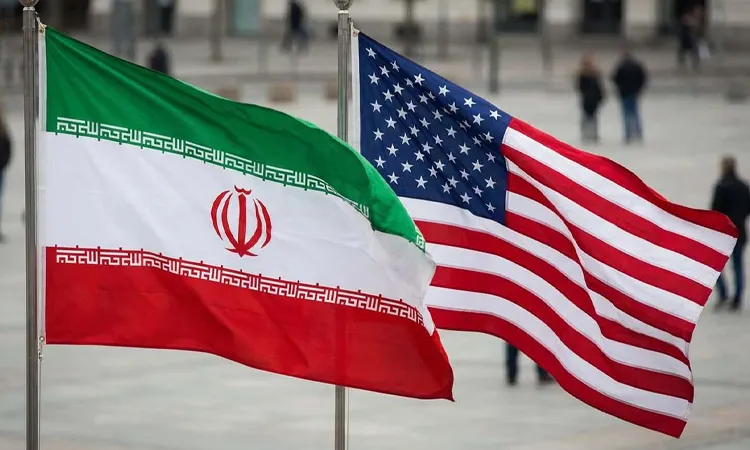
High-stakes negotiations between the United States and Iran concluded in Islamabad without a breakthrough, yet both sides signaled that the door remains open for further dialogue.
The weekend summit, held at the Serena Hotel, marked the most senior-level engagement between the two nations since the 1979 Islamic Revolution. Despite 20 hours of grueling discussions mediated by Pakistan, key disagreements over nuclear enrichment, the blockade of the Strait of Hormuz, and the unfreezing of Iranian assets prevented a final deal.
Tense Negotiations
Sources describe a heavy atmosphere inside the hotel, where U.S. Vice President JD Vance and Iranian Parliamentary Speaker Mohammad Baqer Qalibaf led their respective delegations. At one point, voices were reportedly raised, prompting Pakistani mediators—including Army Chief Asim Munir—to call for a "tea break" to separate the parties.
"The parties came very close, perhaps 80% of the way to an agreement," one source involved in the talks said. However, trust remained a significant hurdle. Iranian Foreign Minister Abbas Araqchi reportedly questioned U.S. credibility, citing recent military strikes that occurred shortly after previous diplomatic efforts in Geneva.
Red Lines and Demands
The U.S. maintained a "red line" regarding Iran’s nuclear program, demanding a total end to uranium enrichment and the dismantling of facilities. In return, Iran sought a permanent ceasefire, a guarantee against future strikes, and the lifting of all international sanctions.
The Strait of Hormuz remains a critical sticking point. Iran has effectively blocked the global energy transit point, while the U.S. demands its immediate and unconditional reopening.
Moving Forward
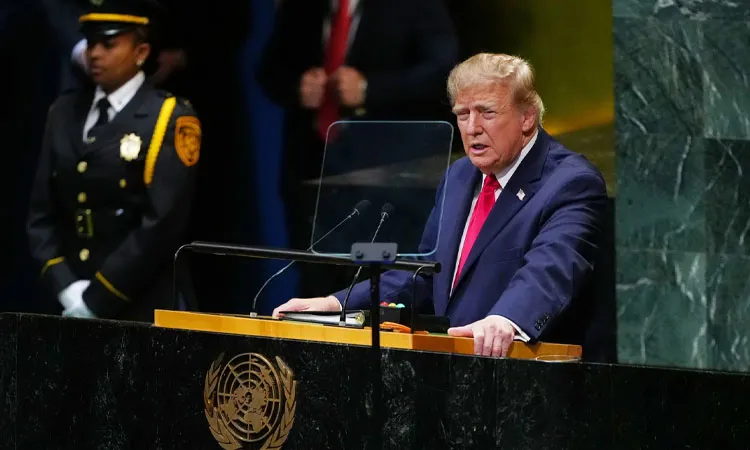
Despite the deadlock, President Donald Trump stated on Monday that Iran had reached out expressing a desire to "work a deal." While Vance described the latest U.S. position as a "final and best offer," Pakistani Prime Minister Shehbaz Sharif confirmed that messages are still being passed between Washington and Tehran.
Observers believe both sides have strong incentives to de-escalate: the U.S. faces domestic pressure over energy prices and inflation, while Iran’s economy remains fragile following internal unrest and war damage.