A senior Iranian official has confirmed to Reuters that a preliminary agreement between the United States and Iran could be reached within days.
Mediated by Pakistan, these high-stakes talks aim to extend the current temporary ceasefire and create a diplomatic "breather" for negotiations on lifting long-standing sanctions and war compensation.
Despite the optimistic tone from the Trump administration, significant hurdles remain. Iranian officials emphasize that no concrete agreement has been reached regarding the technical details of their nuclear program. While Tehran is reportedly willing to offer "peaceful assurances" to the international community, they insist their core demands must be met first.

The Strait of Hormuz Reopens
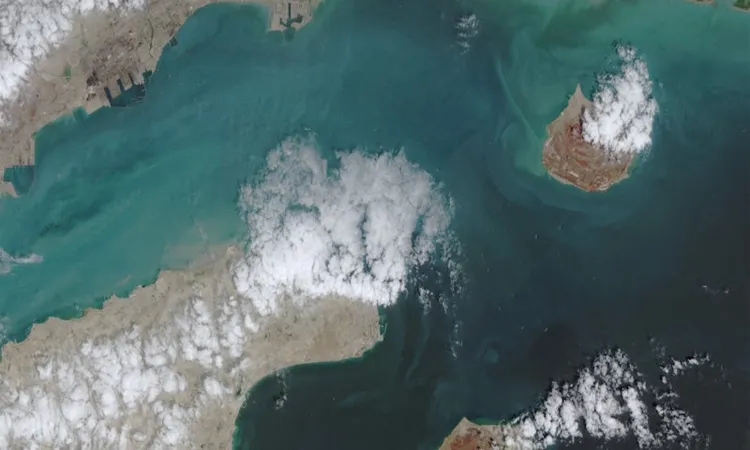
In a major breakthrough for global energy markets, Iran’s Foreign Minister announced that the Strait of Hormuz is now "completely open" for commercial vessels for the remainder of the ceasefire period.
Logistics: Ships must follow specific lanes designated by Iran.
Military Presence: Naval vessels remain excluded from this passage.
Verification: The UN’s International Maritime Organization (IMO) is currently verifying the status of the reopening.
The Blockade: President Trump has clarified that while the Strait is open for transit, the U.S. naval blockade of Iranian ports will stay in place until a final peace settlement is reached.

The Uranium Deal Controversy
In an interview with Reuters, President Trump claimed that Iran’s enriched uranium would eventually be transported to the United States. He explicitly denied reports of a "$20 billion cash-for-uranium" swap, stating, “No money is changing hands.”
Market Reactions
The news of the reopening sent shockwaves through the global economy:
Oil Prices: Brent crude plunged 11%, falling below $90 a barrel.
Stock Markets: Global indices hit new record highs on hopes of stabilized energy supplies.
Shipping Cautious: Major shipping firms remain wary, noting it will take time to return to the pre-war volume of 130 ships per day.
Tensions in Lebanon
While a 10-day U.S.-brokered truce is theoretically in place between Israel and Hezbollah, the situation on the ground remains volatile.
Israeli Stance: Prime Minister Netanyahu stated the ceasefire is a strategic move to seek a political-military solution but warned that Israel is "not done yet."
Violations: The Lebanese army has already reported ceasefire violations as over a million displaced people attempt to return to southern Lebanon.