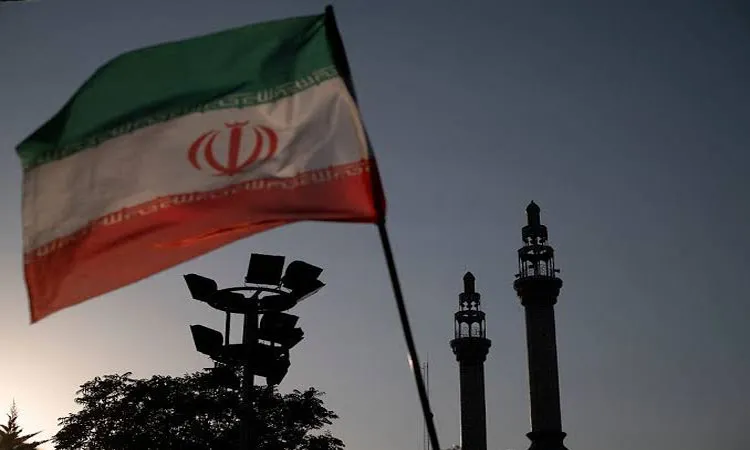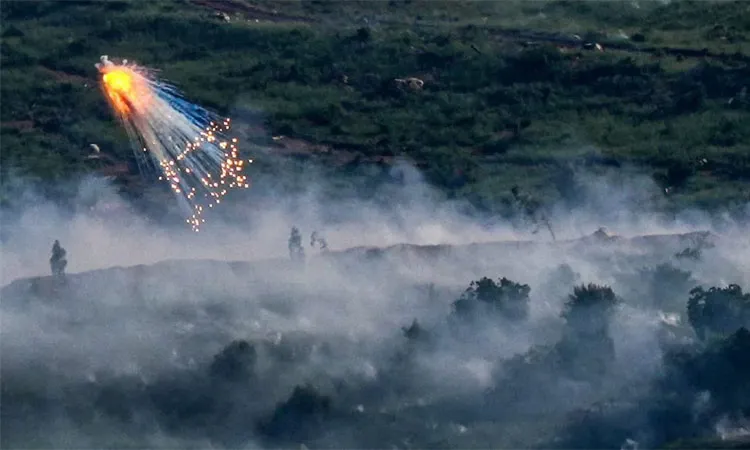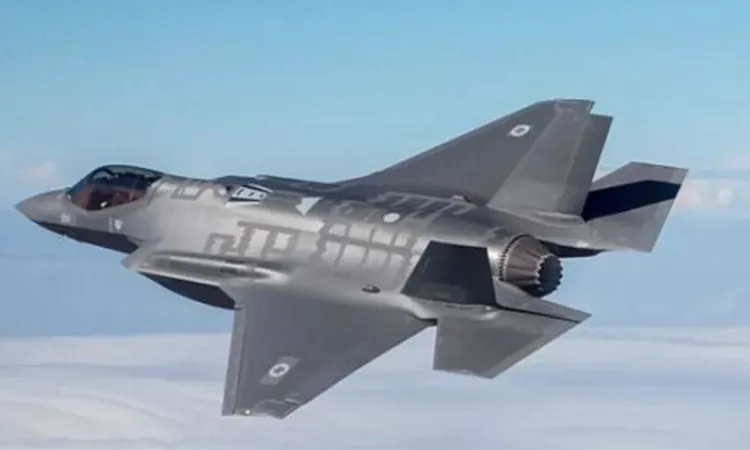
The Israeli Air Force struck military targets in western and central Iran early Monday (June 8), hours after Iran launched a missile attack on northern Israel.
The Israeli military confirmed the strikes, according to the Times of Israel. Iranian local media reported powerful explosions in the capital, Tehran, as well as in Tabriz and Isfahan. Earlier on Sunday night, the Israeli army reported that its defense systems actively intercepted several missiles fired from Iran. Air raid sirens were triggered in Haifa and across northern Israel as the launches were detected.
The Israel Defense Forces (IDF) declared a state of "high alert" in anticipation of potential shelling. This followed a deadly Israeli airstrike on the southern suburbs of Beirut on Sunday (June 7), which triggered the Iranian retaliation. Despite US President Donald Trump urging Israeli Prime Minister Benjamin Netanyahu to refrain from retaliating, Israel proceeded with the strikes.
US media confirmed Trump had personally called Netanyahu to advise against a counter-attack. Within Israel, opposition leaders criticized Netanyahu’s handling of the crisis while simultaneously demanding a forceful response against Tehran.Former Prime Minister Naftali Bennett, who is running against Netanyahu in the upcoming elections, called the Iranian attack a "moment of truth." In a social media statement, Bennett said Israel must prove it is a "sovereign state capable of defending itself" and urged strong, effective action.Israel's far-right National Security Minister, Itamar Ben-Gvir, posted on X (formerly Twitter), "Tehran must burn tonight," shortly after the first warning of the Iranian missiles was issued.
Conversely, Yair Golan, leader of the left-wing Democrats Party, argued the attacks demonstrate that Israel's enemies view Netanyahu as a "weak and failed leader." He added that the current government lacks the moral and political authority to drag the country into another war.