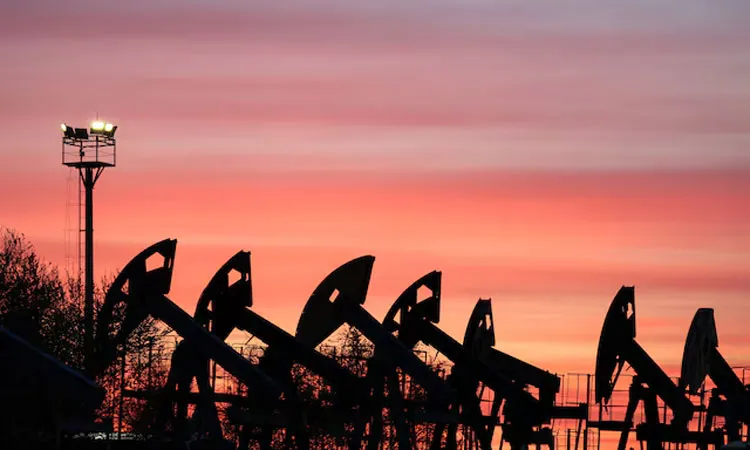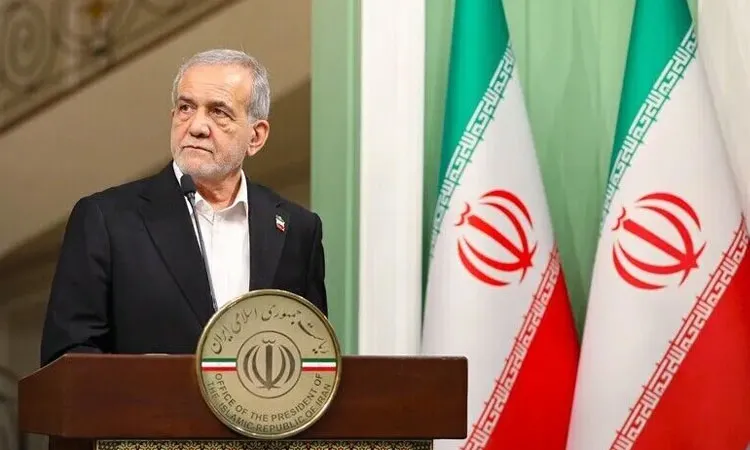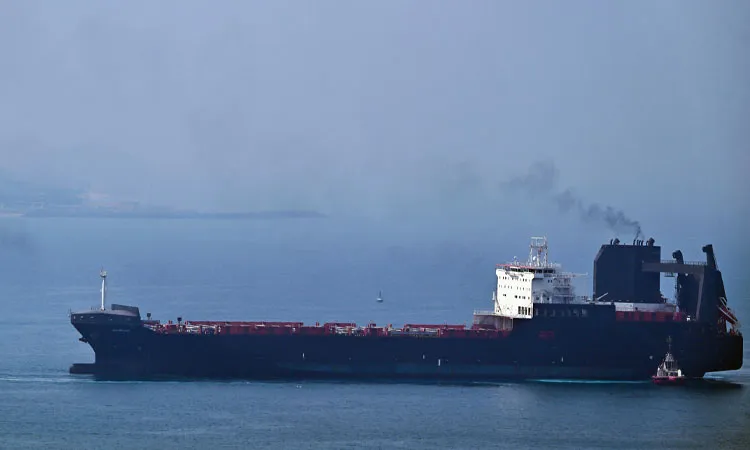
Global oil prices have surged past $100 a barrel following escalated military conflicts in the Middle East. This sudden price spike marked by an 8% rise in international Brent crude occurred after Iran-backed Houthi rebels attacked oil tankers in the Red Sea prompting fresh United States military strikes on Iranian targets.
Aiming to secure the critical Strait of Hormuz, the US military has completed its 13th consecutive night of airstrikes on Iranian military sites. US President Donald Trump threatened to use frozen Iranian assets to cover shipping damages a move Tehran warned would set an "incendiary precedent".
Yemen's Houthis expanded the conflict by blocking Saudi ports and striking two Saudi vessels in the Red Sea, directly threatening Riyadh's crude exports. US Secretary of State Marco Rubio accused Iran of pulling the Houthis into the fray. Meanwhile Iran has vowed to continue retaliatory strikes with US allies Jordan and Kuwait already intercepting incoming missile and drone attacks.
The violence has triggered severe global alarm. UN Secretary-General Antonio Guterres warned the situation is "getting out of control" while European Central Bank President Christine Lagarde cautioned that a prolonged energy shock could drive up global inflation.
Domestically, the conflict faces growing political opposition in the US where the House of Representatives passed a symbolic vote urging an end to the war ahead of the November midterm elections. Regionally Oman has stepped in to mediate peace talks between Saudi Arabia and the Houthis, hoping to prevent further destabilization of global energy markets.