- National
- Bangladesh
- Business
- International
- Sports
- Entertainment
- Politics
- Technology
- Life Style
- Religion
- Opinion
- FIFA World Cup 2026
Monday, 17 August 2026


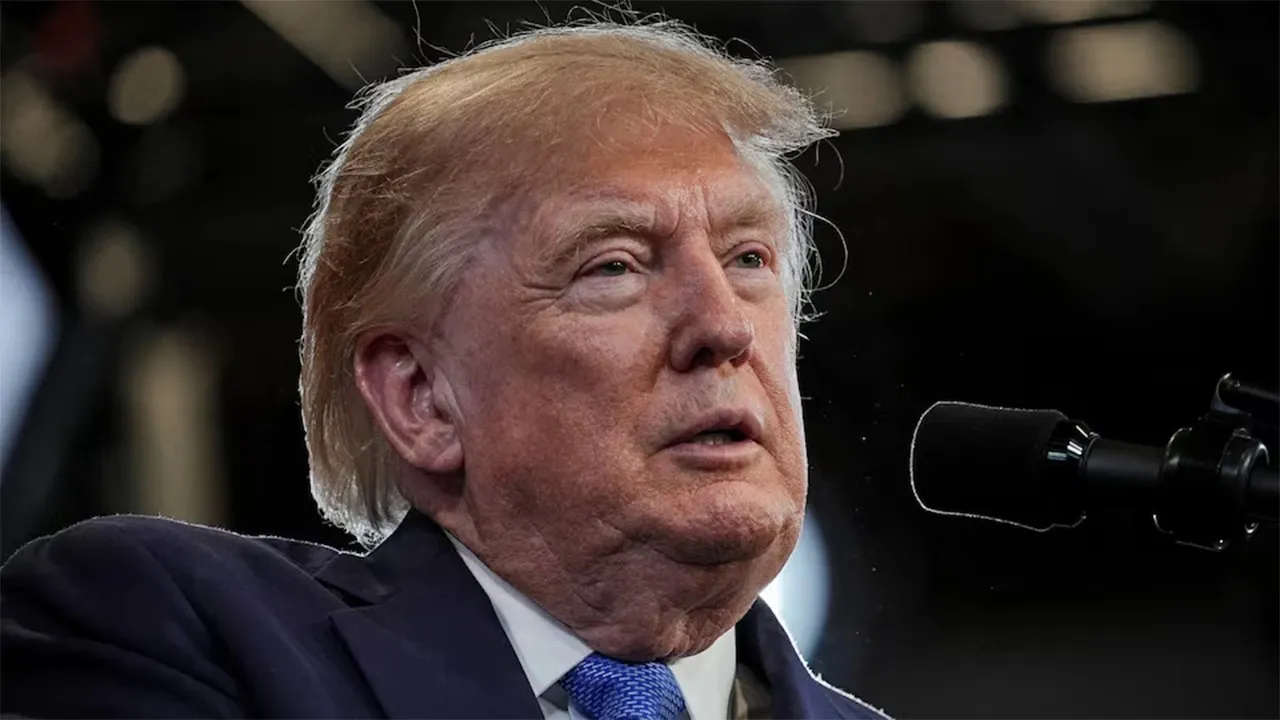
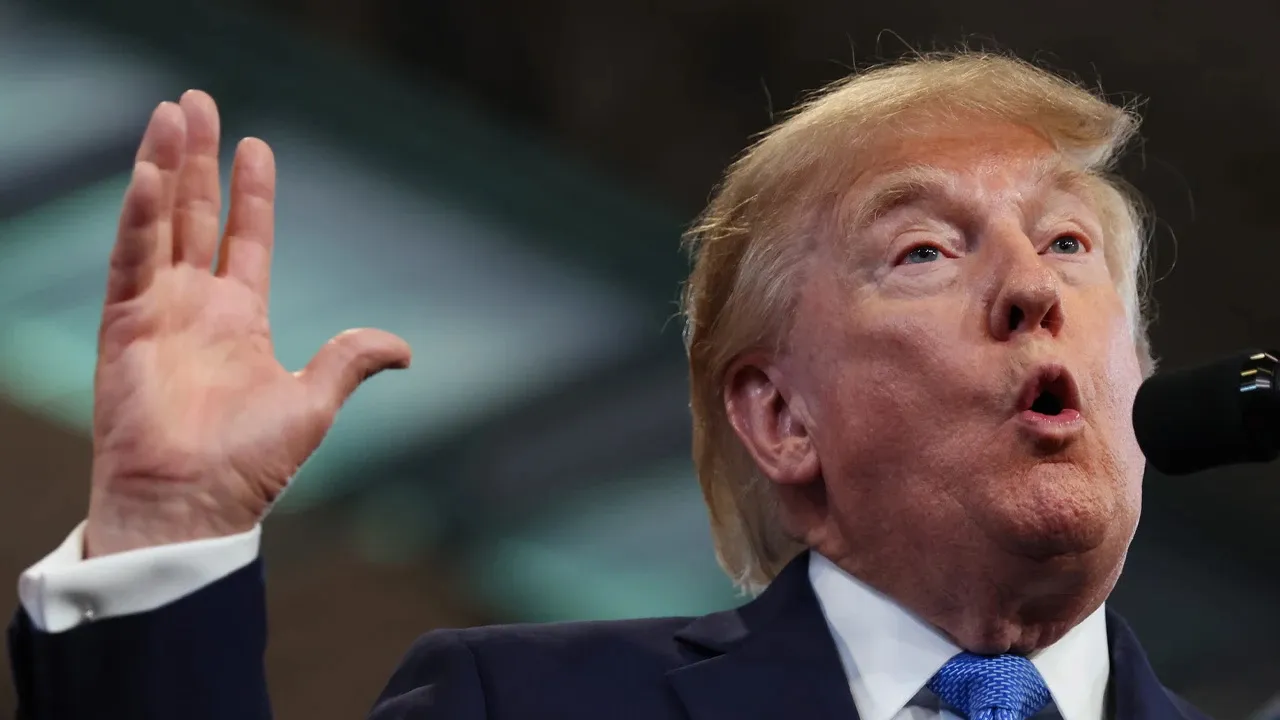
The United States has formally completed its withdrawal from the World Health Organization (WHO), one year after former President Donald Trump announced the move, U.S. officials said Thursday.
The withdrawal is not a clean break. The U.S. still owes about $280 million in unpaid dues, and some issues remain unresolved, including access to data from other countries that could help the U.S. respond quickly to new pandemics.
Public health experts warn that the exit could undermine global responses to outbreaks and hamper U.S. efforts to develop vaccines and treatments. Lawrence Gostin, a Georgetown University public health law expert, called it “the most ruinous presidential decision in my lifetime.”
The WHO, a United Nations specialized agency, coordinates global health responses to threats like Ebola, polio, and mpox. It also provides technical support to poorer nations, distributes vaccines and treatments, and sets guidelines for hundreds of health conditions, including cancer and mental health. Nearly every country is a member.
Trump cited the WHO’s handling of the COVID-19 pandemic and its alleged political bias as reasons for withdrawal. He also criticized the agency for not appointing an American as director since its founding in 1948.
Experts say the U.S. exit could impact global health programs, including polio eradication, maternal and child health initiatives, and research on emerging viruses. Dr. Ronald Nahass of the Infectious Diseases Society of America described the withdrawal as “shortsighted, misguided, and scientifically reckless.”
The U.S. will no longer participate in WHO committees, leadership bodies, technical groups, or global disease intelligence networks, including flu strain tracking. This could delay U.S. access to critical information needed to develop vaccines.
Trump administration officials said the U.S. is maintaining direct public health partnerships with some countries, but experts say such arrangements are unlikely to replace the WHO’s global reach.
The WHO confirmed the U.S. owes $280 million in unpaid dues for 2024 and 2025. A U.S. official denied that payment was required before withdrawal.