Tensions between Gulf allies reached a breaking point on Tuesday as Saudi Arabia declared its national security a "red line" and supported a 24-hour deadline for United Arab Emirates (UAE) forces to leave Yemen.
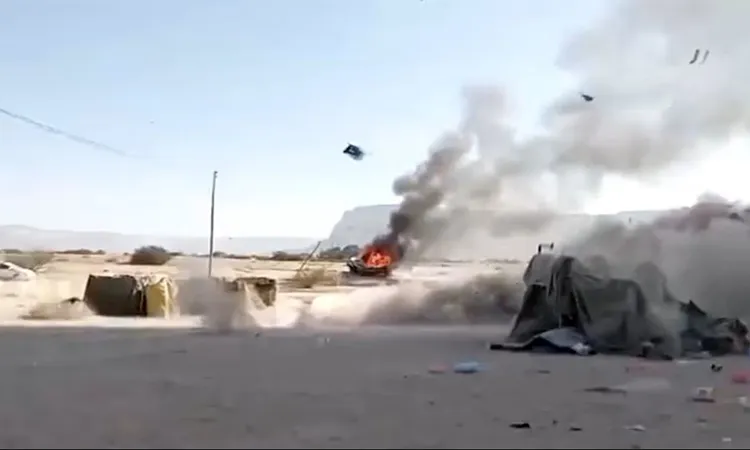
The escalation follows a Saudi-led coalition airstrike on the Yemeni port of Mukalla, targeting what was described as unauthorized military support for southern separatists.
The head of Yemen's Saudi-backed Presidential Leadership Council, Rashad al-Alimi, formally cancelled a defense pact with the UAE and accused Abu Dhabi of fueling internal strife. In a televised address, Alimi claimed the UAE directed the Southern Transitional Council (STC) to rebel against state authority through military escalation.
The coalition targeted the Mukalla port docks where two ships from the UAE reportedly unloaded weapons and combat vehicles after disabling tracking systems.
Alimi has declared a 72-hour no-fly zone and a total sea and ground blockade on all Yemeni ports and crossings, barring coalition-authorized exceptions.
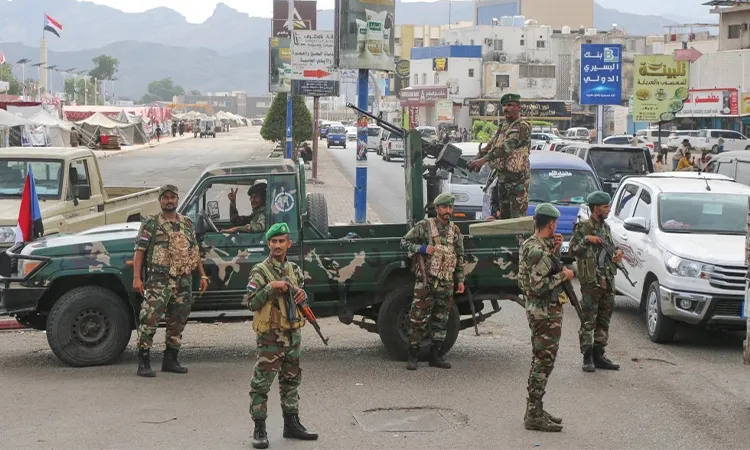
While the UAE was a founding member of the coalition against the Houthis in 2015, its support for the STC has led to a direct confrontation with Saudi-backed government forces. Saudi Arabia is particularly concerned about the eastern province of Hadramout, which borders the Kingdom and holds significant cultural and historical ties to prominent Saudi families.
Saudi state media confirmed the strike resulted in no casualties, though footage showed significant damage to port infrastructure and vehicles.