The fate of the strategic city of Pokrovsk is nearing its conclusion, with its capture by Russia seen as a matter of 'when,' not 'if,' despite Ukraine maintaining positions in the north. While the city's fall is not expected to cause a collapse of Ukrainian defenses, its imminent loss significantly weakens Kyiv's negotiating position as US-led peace talks accelerate.
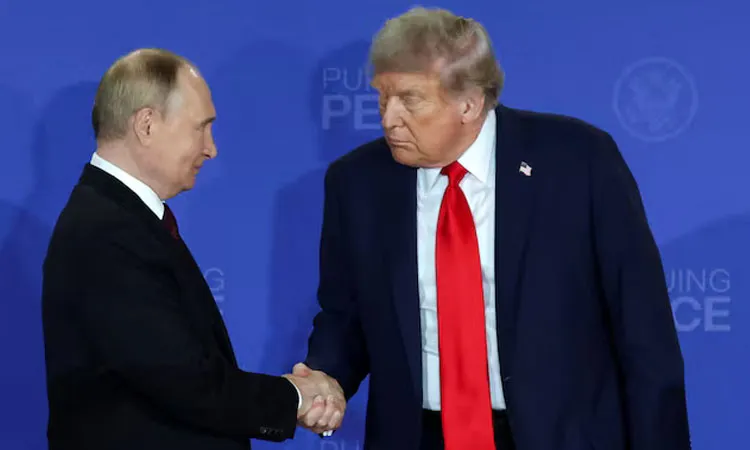
Moscow claimed full control of Pokrovsk on December 1, just before US President Donald Trump's special envoy met with President Vladimir Putin regarding a peace plan reportedly close to finalization. Analysts suggest the heavy fighting on the Pokrovsk front benefits Russia by influencing Donald Trump's perception that Russia holds the "upper hand," a sentiment Trump recently expressed, urging Ukrainian President Volodymyr Zelenskiy to start "accepting things."
The core dispute remains the Donbas region, which Pokrovsk lies in. Ukraine firmly rejects ceding any sovereign territory, while Russia insists on Kyiv's forces withdrawing from the entire Donbas.
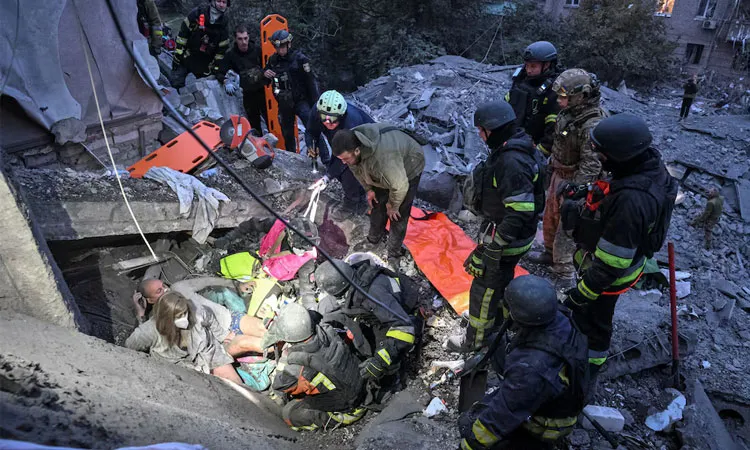
The Russian assault on Pokrovsk has been slow and costly, characterized by small-group advances ("seeping through") countered by Ukrainian drones and fortifications.
However, Ukrainian forces cited a critical shortage of infantry and the redeployment of elite units from Pokrovsk to shore up other eastern fronts (Lyman, Kupiansk) as factors that hindered the defense. Military analysts believe Russia's ultimate goal from the elevated Pokrovsk position is to envelop the "fortress cities" of Sloviansk and Kramatorsk.
Amidst the diplomatic pressure, Ukraine has revised an initial US-backed peace plan that proposed withdrawing from Donetsk, reaffirming its commitment to a "just" peace while also seeking increased financial and military aid from European allies. The war continues to be an attritional struggle, marked by Ukrainian strikes on Russia's oil industry and Russian missile strikes targeting Ukraine's electricity grid.