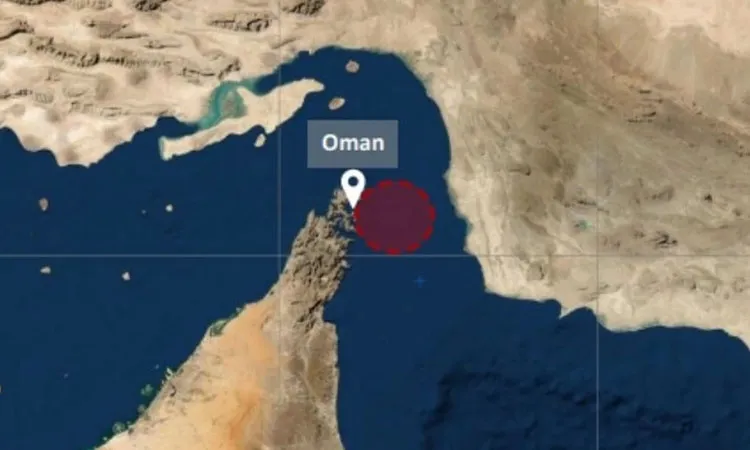
Global oil prices fell on Friday as tankers began moving safely through the Strait of Hormuz, signaling a potential surge in global supply following the newly signed peace agreement between the United States and Iran.
By early Friday, Brent crude futures dropped 43 cents to $79.42 a barrel, while U.S. West Texas Intermediate (WTI) slipped 17 cents to $76.43.
The price dip came hours after several vessels—including three Saudi-flagged tankers carrying 6 million barrels of crude—sailed through the crucial chokepoint. The successful transit pushed both oil benchmarks to their lowest levels since early March.
Millions of Barrels Ready for Market
Market analysts expect the U.S.-Iran interim deal to release over 85 million barrels of oil that had been stranded in the Middle East Gulf. Furthermore, the agreement outlines the lifting of U.S. sanctions on Iranian oil, which would significantly increase global supply.
Before the conflict, roughly one-fifth of the world’s oil and liquefied natural gas passed through the Strait of Hormuz. Experts suggest trade could normalize in the coming months if the peace deal holds.
Middle Eastern producers are already preparing to resume normal operations:
Kuwait: Kuwait Petroleum Corp announced Thursday it has immediately lifted all "force majeure" notices issued during the war.
Iraq: Oil Minister Basim Mohammed confirmed the country's oilfields are ready to gradually restore production to pre-war rates.
Lingering Doubts and Market Caution
Despite the initial optimism, traders and analysts remain cautious.
"Traders are still waiting for hard evidence that tanker traffic through the Strait of Hormuz is actually normalising before committing to the next leg lower," said Tim Waterer, chief market analyst at KCM.
Geopolitical tensions continue to threaten the fragile peace. Israel’s ongoing conflict with Hezbollah in Lebanon has raised serious questions about regional stability. Adding to the uncertainty, U.S. Vice President JD Vance abruptly canceled a planned trip to Switzerland on Friday, where he was scheduled to meet with Iranian negotiators.
"This is not the geopolitical backdrop that would give the market any confidence in resuming Hormuz transit," warned Vandana Hari, founder of the oil market analysis provider Vanda Insights.