The domestic aviation sector in Bangladesh is facing a dual crisis as escalating Middle East tensions and a sharp spike in local jet fuel prices push airfares to record highs. Passengers are expressing deep frustration as ticket costs on domestic and international routes have surged, making air travel unaffordable for many.
Syeda Badrun Nesa, a regular traveler and researcher, highlighted the struggle. "I travel from Dhaka to Rajshahi three times a month for work. The amount I used to pay for a round trip doesn't even cover a one-way ticket now. Airfares are now four to five times higher than train tickets," she said.
Laila Arjumand Haque, who travels frequently for medical treatment, shared similar concerns. "Tickets that were once Tk 5,500 now cost between Tk 7,000 and Tk 8,500. The government must regulate fuel prices to keep fares within a reasonable limit."
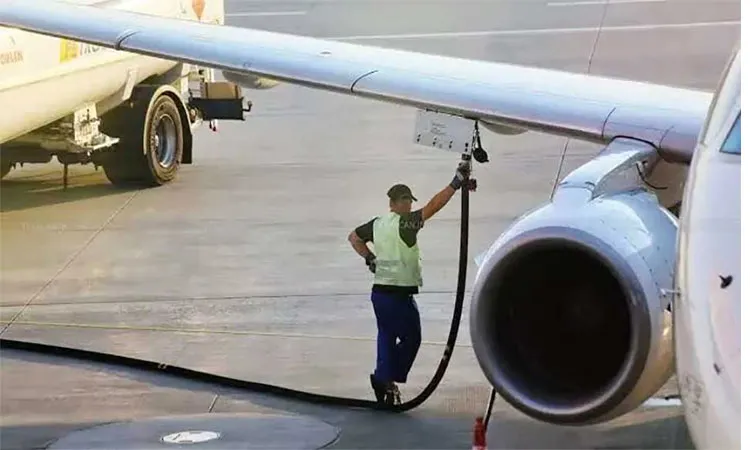
Industry data shows that jet fuel prices in Bangladesh have increased by Tk 107 per liter in just 16 days. This spike has led to an average increase of Tk 1,000 on domestic tickets and over Tk 5,000 on international routes.
On popular routes like Dhaka-Saidpur and Dhaka-Chittagong, minimum fares have jumped from Tk 4,500 to nearly Tk 7,000, with last-minute bookings often exceeding Tk 10,000.
Air Astra CEO Imran Asif noted that fuel prices doubled in less than three weeks. "Without adjusting fares, operations would be unsustainable. We hope this is a temporary situation," he stated.
The price hike in Bangladesh appears disproportionate compared to regional neighbors. While jet fuel is priced at approximately $0.58 to $0.62 per liter in hubs like Dubai, Singapore, and Kolkata, Bangladesh’s rates remain significantly higher. While India and Nepal have kept prices stable despite the Middle East conflict, Bangladesh has seen an increase of nearly 80%.
The Bangladesh Energy Regulatory Commission (BERC) attributed the hike to international market instability and the rising dollar exchange rate, with Asian jet fuel prices hitting $163 per barrel.
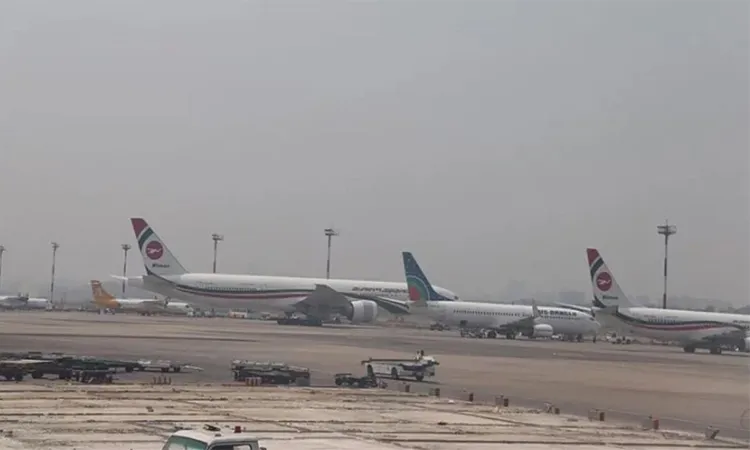
The conflict in the Middle East has further complicated the crisis. Following the closure of several airspaces in late February, 894 flights from Dhaka to Middle Eastern destinations were canceled between February 28 and April 1.
According to Muhammad Kausar Mahmud, Assistant Director of Public Relations at CAAB, these cancellations prevented roughly 125,000 passengers from traveling. This resulted in a government revenue loss of over $6 million in travel taxes and security fees.
Aviation expert Kazi Wahidul Alam urged the government to intervene. "To sustain the sector, the government should consider subsidies or tax breaks on jet fuel. We also need special LC facilities for airlines during this dollar crisis and a re-evaluation of airport development fees."
Fahmida Akhtar, the newly appointed Secretary of the Ministry of Civil Aviation and Tourism, stated she would review the situation before providing an official comment.