Prices of essential commodities have risen sharply at the start of Ramadan in Lohagara, leaving many shoppers frustrated.
The familiar trend of price hikes during Ramadan was visible at Lohagara Raw Market, where buyers complained of an unstable market driven by profiteering and alleged syndicates. Prices have increased across sectors—from kitchen essentials to groceries—adding pressure on households with limited incomes.
Friday marked the first Jumma of Ramadan and a government holiday. From early morning, a large number of people thronged Lohagara and Lakshmipasha markets. However, many returned disappointed after seeing the price situation.
Shoppers said prices of several items rose compared to last week, while some were increased even before Ramadan began.
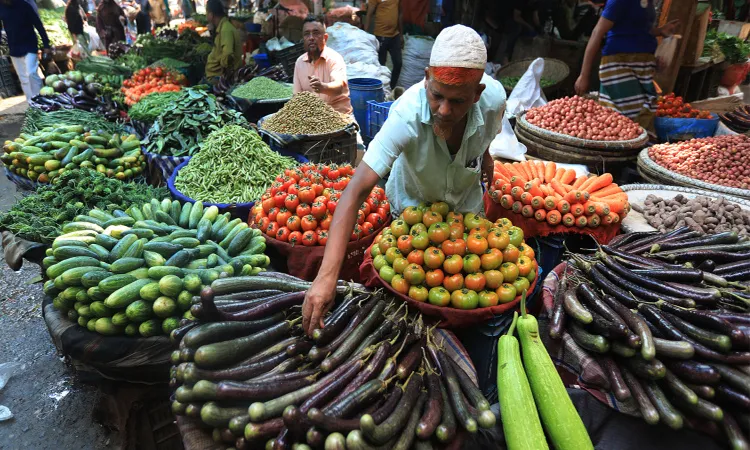
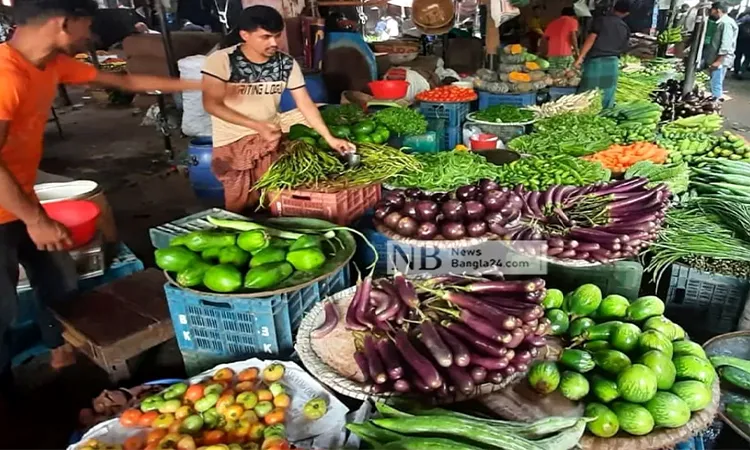
According to vendors at the area’s two main raw markets, long brinjal is selling at Tk 100 per kg, round brinjal at Tk 120, tomatoes at Tk 40–50, beans at Tk 20–30, cucumber at Tk 100, and carrots at Tk 40–50 per kg. Onions are priced at Tk 55–60, lemons at Tk 100 per kg, cauliflower at Tk 40–50, and cabbage at Tk 30–40.
Prices of iftar items have also increased. Chickpeas are selling at Tk 80 per kg, gram flour at Tk 65, and lentils at Tk 110. Date prices have risen sharply, putting them beyond the reach of many buyers.
As a result, some middle- and lower-middle-income families said they are being forced to break their fast without dates.
Although prices vary slightly between markets, the overall upward trend is clear.
Many shoppers alleged that some traders raise prices in advance, anticipating higher demand for iftar and sehri during Ramadan. This has created early instability in the market, forcing families to cut back on daily expenses.
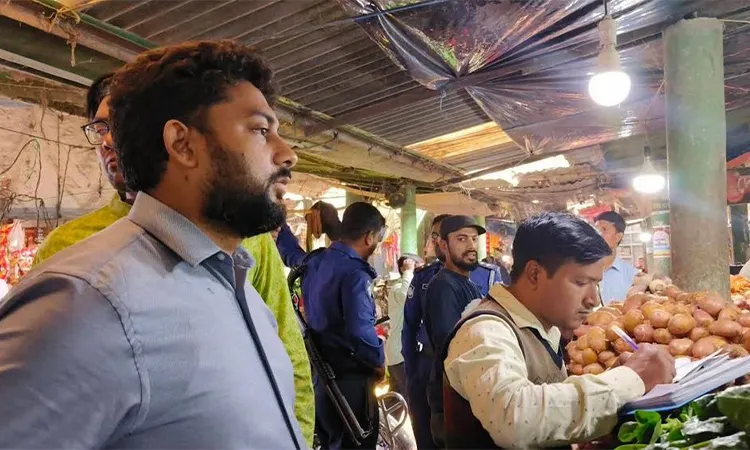
Buyers also expressed anger over what they described as insufficient market monitoring by the local administration.