Bangladesh is undergoing a quiet but profound demographic transformation. With a population exceeding 160 million or more, the country is steadily ageing. According to United Nations data, approximately 9–10 per cent of Bangladesh’s population is now aged 60 or above, and this share is projected to rise rapidly in the coming decades. By 2050, the number of older persons in Bangladesh is expected to more than double, reaching over 35 million, reflecting global trends driven by increased life expectancy and declining fertility. Globally, the United Nations reports that one in six people will be aged 65 or older by 2050, compared to one in eleven in 2019. This demographic shift is particularly significant for developing countries, where ageing is occurring faster than the expansion of social protection systems. Bangladesh is no exception. These trends underscore the growing importance of institutional elderly care, social protection, and long-term care systems, including well-regulated old age homes.
Traditionally, elderly care in Bangladesh has relied on extended family support. However, rapid urbanization, labor migration, and changing family structures have weakened the joint family system. As a result, the demand for old age homes—often referred to internationally as long-term care or assisted living facilities—is rising. This demand is no longer theoretical; it is an urgent social reality that requires thoughtful policy responses and international cooperation.
According to projections from the Bangladesh Association for the Aged and the Institute of Geriatric Medicine, the elderly population could reach 20 million between 2050 and 2061, further intensifying the need for caregivers, residential care facilities, and community-based services. Yet, government-run institutional capacity remains extremely limited.
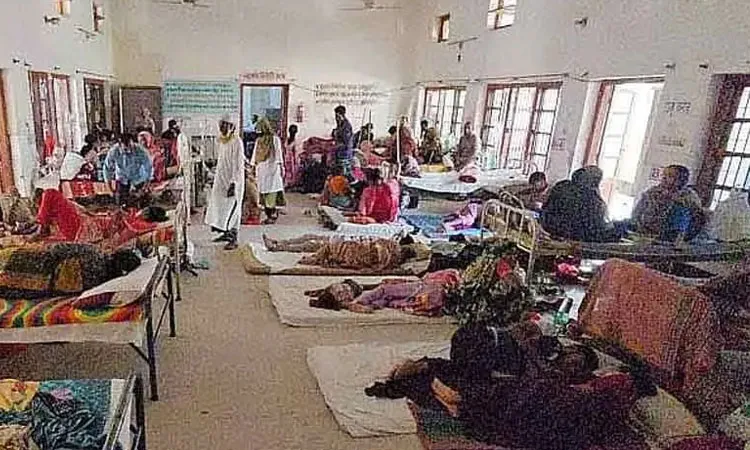
Currently, under the supervision of the Department of Social Welfare, Bangladesh operates only six government old age homes, one in each division. Additionally, 85 government “Shishu Paribar” shelter homes are authorized to accommodate senior citizens, with an estimated capacity of 10 elderly persons per facility. While these initiatives demonstrate government commitment, they are insufficient to meet current or future demand.
The government’s primary income support mechanism for senior citizens is the Old Age Allowance Programme, administered by the Ministry of Social Welfare. In the 2021–22 fiscal year, approximately Tk 3,444.54 crore was allocated to support 57.01 lakh beneficiaries, each receiving Tk 500 per month, disbursed quarterly. Eligibility is set at 65 years of age, with a reduced threshold of 62 for women, and income must fall below Tk 3,000 annually.
This framework raises important policy questions. Bangladesh’s National Policy on Older Persons (2013) defines older persons as those aged 60 and above, and in 2014, senior citizens were formally recognized by the state. Aligning allowance eligibility with national policy and demographic realities could enhance fairness and social inclusion, particularly for vulnerable groups such as informal workers, domestic workers, and the urban poor, who are currently excluded.
Previously, government officials have indicated plans to expand institutional care through the construction of eight additional old age homes, establish an Elderly Development Foundation, and introduce caregiver training programmes. A pilot old-age home cum resort project in Sylhet for financially independent seniors also reflects an openness to diversified care models. However, greater transparency, regulatory oversight, and sustained investment will be essential to ensure equitable access and quality standards.
International experience offers valuable guidance. The United States provides a strong example of how government-led systems can protect elderly populations through Social Security, Medicare, and Medicaid. Together, these programmes ensure income security, healthcare access, and long-term care support for millions of older Americans. Importantly, U.S. models also emphasize regulation, accountability, and public-private collaboration—principles that are highly relevant for Bangladesh.
Similarly, Japan’s Long-Term Care Insurance system and China’s expansion of community-based elderly services demonstrate how governments can adapt to ageing societies through institutional innovation and policy reform. These examples show that even rapidly ageing or developing economies can build sustainable systems when elderly care is treated as a development priority rather than a charitable concern.
Bangladesh, now over 50 years since independence and progressing toward middle-income status, has a historic opportunity to invest in dignified ageing. Ensuring that old age homes and care services are accessible not only to the wealthy but to all senior citizens is essential for social cohesion and human dignity. United Nations principles on ageing emphasize independence, participation, care, self-fulfillment, and dignity —values that resonate strongly with both Bangladeshi and American development goals. That been said In today’s world, a handful of public figures — Jordan Peterson, Candace Owens, Tucker Carlson, and Elon Musk — shape millions of opinions every day. They influence culture, politics, and technology, yet surprisingly, very few of them have spoken publicly about the responsibilities society has toward senior citizens. Senior citizens are the backbone of our communities, carrying decades of experience, wisdom, and labor. The United Nations projects that by 2050, nearly one in six people globally will be 65 or older, and Bangladesh will see a dramatic rise in elderly population in the coming decades. Yet, issues like old age homes, financial support, and caregiving remain largely absent from mainstream commentary.
As people live longer, healthier lives, elderly citizens remain a valuable social resource. Research consistently shows that older adults who remain socially engaged and economically active enjoy better health outcomes and continue to contribute meaningfully to their families and communities. In this context, collaboration with development partners such as the United States Japan, Vietnam, UK, Canada, China, Brazil, even through policy dialogue, technical assistance, and institutional capacity-building, could play a transformative role. Strengthening government-led elderly care systems in Bangladesh aligns closely with broader objectives of inclusive development, human rights, and social resilience. Some countries set global standards in caring for senior citizens. Japan excels with long-term care insurance, age-friendly cities, and technology-assisted healthcare. Sweden combines universal healthcare, generous pensions, and high-quality municipal home care. The Netherlands innovates with “dementia villages” and supportive home-care programs. Germany provides mandatory long-term care insurance, caregiver support, and subsidies for nursing homes. Denmark emphasizes community-based care, preventive health, and social engagement, keeping seniors active and connected. Canada integrates public healthcare with home care, assisted living, and social programs for inclusion.
These nations succeed because they merge healthcare, financial security, safe housing, and social support, offering seniors independence, dignity, and a high quality of life—lessons Bangladesh can adapt for its growing elderly population. Lessons from countries such as the USA, Japan, Sweden, China, and the Netherlands demonstrate that combining healthcare, social protection, institutional care, and community engagement can ensure seniors live with dignity, independence, and security. Strategic partnerships with development leaders, including the United States, can support Bangladesh in expanding elder care infrastructure, improving financial support systems, training caregivers, and implementing policy frameworks that prioritize social inclusion. By adopting global best practices, Bangladesh has the opportunity to transform ageing from a social challenge into a model for sustainable, inclusive development.