


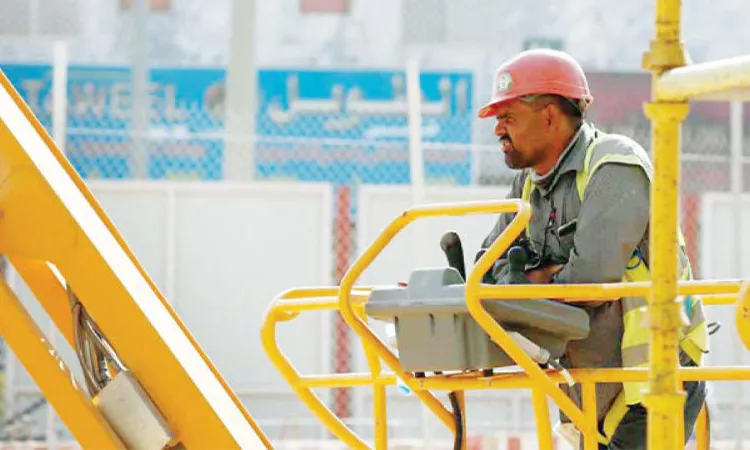
As Bangladesh enters 2026, labour migration remains a cornerstone of its economic and development strategy. With growing international demand for skilled workers and increasing competition among labour-sending countries, Bangladesh faces both opportunity and urgency: to shift decisively from low-skilled labour exports toward a regulated, skills-based migration system that benefits workers, destination countries, and the national economy.
Bangladesh is home to 160 million people or more, making it one of the most densely populated countries in the world, with a landmass of 147,570 square kilometres. While population density is often framed as a constraint, Bangladesh’s experience demonstrates that human capital—when properly trained and mobilised—can serve as a strategic asset. Since independence, overseas employment has played a central role in economic stability, with remittances consistently ranking among the country’s largest sources of foreign exchange.
As of 2026, more than 13 million Bangladeshis live and work abroad across 173 countries While the Middle East remains a major employer, new labour corridors are expanding in East Asia and Europe. Bilateral arrangements with Japan have opened pathways for skilled workers in caregiving, agriculture, transport, and technical trades. Labour markets in Cambodia and Seychelles are already operational, and new opportunities are emerging in Poland, Bulgaria, Romania, and Hungary.
These developments reflect global demographic trends, particularly labour shortages in ageing societies, and position Bangladesh as a potential long-term workforce partner. However, ensuring consistent commitment and professionalism from both institutions and migrant workers is critical to maintaining international confidence in Bangladesh’s workforce.
Despite growing demand, skills shortages remain a key challenge. Data from the Bureau of Manpower, Employment and Training (BMET) indicates that a significant share of Bangladeshi migrants continue to leave as low-skilled or unskilled workers. Addressing this gap is central to the 2026 reform agenda.
Bangladesh currently operates 66 Technical Training Centres (TTCs) offering instruction in 55 trades. The writer recalls producing a feature on these centres in 2015 while at The Independent, noting at the time that many youths were unaware of their existence. Unfortunately, the number of technical centres has not significantly increased since then. Syed Mehdi Momin, Editor of NewView, expressed disappointment that these institutions have not been strengthened, made corruption-free, or more actively promoted. He hopes the newly elected government will prioritise these issues, enhancing both capacity and credibility.
Similarly, KK Shuvra, prominent IT journalist and lecturer based in Romania, observed that many Bangladeshi youth who migrated to Romania later moved to other countries, creating reputational challenges for Bangladesh in Europe. Shuvra emphasised that commitment issues among workers must be addressed to ensure continued access to European labour markets and sustain partner confidence in Bangladesh’s workforce.
Experts such as Dr. Mohsin Kabir, Chairperson of the Japan Bangladesh Friendship Institute, note persistent gaps in trainer availability, accreditation standards, and regulatory oversight. Strengthening quality assurance mechanisms for training institutions is therefore a priority in 2026. As Bangladesh expands into higher-income and more regulated labour markets, ensuring ethical recruitment practices has become increasingly important. Effective oversight of recruiting agencies, transparent migration procedures, and strong coordination between public institutions and private actors are essential to maintaining worker protection and international credibility.
Public awareness campaigns promoting legal migration pathways and warning against irregular migration continue to play a critical role. In 2026, deeper cooperation between government bodies, training institutions, and international partners will be necessary to sustain reform momentum.
Policy discussions in 2026 also point to the need for a broader and more inclusive understanding of skills. Beyond professionals such as doctors and engineers, skilled farmers, caregivers, drivers, carpenters, and technicians are increasingly in demand globally. Recognising and valuing these competencies is essential for inclusive workforce development.nSocial attitudes toward overseas workers remain a challenge. Enhancing reintegration services, improving access to benefits, and promoting public recognition of migrant contributions can help shift perceptions and strengthen social cohesion.
International Cooperation and Soft Power influence plays a crucial role as Bangladesh’s migration strategy aligns closely with global priorities on safe, orderly, and regular migration, workforce development, and ethical recruitment. As major powers increasingly deploy soft power through cultural diplomacy, people-to-people exchange, and workforce cooperation, 2026 offers Bangladesh an opportunity to deepen its engagement. Establishing new embassies, cultural centres, and training partnerships in key destination countries could strengthen bilateral relations and improve migrant protection and integration.
The writer also wishes to draw the attention of large business groups, international development partners, and embassies to support Bangladesh in skill development initiatives. Strategic partnerships can accelerate capacity-building, enhance training standards, and motivate youth to participate in productive overseas employment programmes. In 2026, Bangladesh’s workforce—young, adaptable, and increasingly skilled—represents a critical national asset. With sustained investment in skills development, regulatory reform, ethical recruitment, and diplomatic engagement, labour migration can continue to generate shared prosperity for Bangladesh and its global partners.
Collaboration with countries such as the United States, Japan, Canada, European Countries offers particular potential in areas including workforce training, migration governance, and institutional capacity-building, reinforcing mutual economic and strategic interests.

